Researchers at Gladstone Institutes have made a significant discovery regarding the relationship between high altitude and diabetes risk. Their study reveals that in environments with low oxygen levels, red blood cells absorb substantial amounts of glucose from the bloodstream, functioning as effective glucose "sinks." This phenomenon occurs under conditions similar to those found on the highest peaks of the world.
Published in Cell Metabolism, the findings indicate that red blood cells can modify their metabolism when oxygen is scarce. This adaptation enhances oxygen delivery to tissues while simultaneously reducing blood sugar levels, potentially explaining the lower incidence of diabetes at high altitudes.
According to Dr. Isha Jain, a senior author of the study and a prominent figure at Gladstone, this research addresses a long-standing question in physiology. "Red blood cells represent an underappreciated aspect of glucose metabolism," Jain explains. "This discovery could lead to innovative approaches for managing blood sugar levels."
Red Blood Cells as Glucose Reservoirs
Dr. Jain's team has focused on hypoxia, or reduced oxygen levels, and its metabolic implications. Previous studies showed that mice exposed to low-oxygen environments exhibited markedly lower blood glucose levels, rapidly clearing sugar from their systems after meals--a factor linked to decreased diabetes risk. However, the exact mechanism remained elusive.
"When we administered sugar to mice in hypoxic conditions, it vanished from their bloodstream almost instantly," notes Dr. Yolanda Martí-Mateos, the study's lead author. Despite investigating various organs, researchers could not pinpoint where the glucose was utilized.
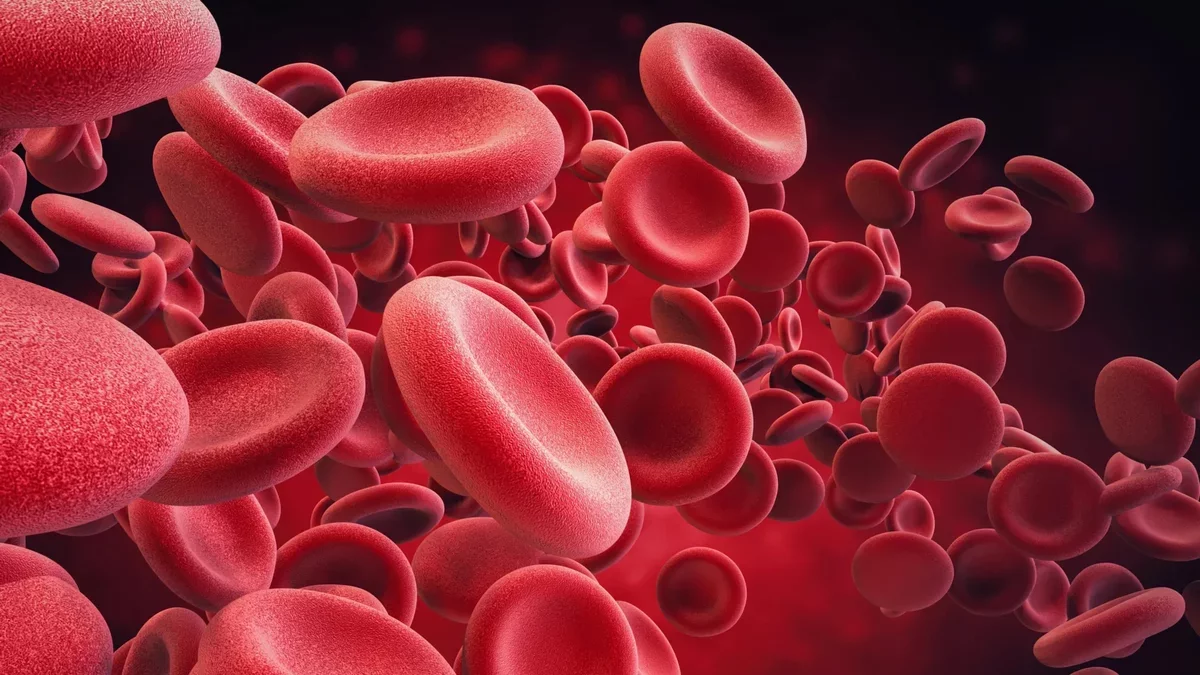
Employing advanced imaging techniques, the team discovered that red blood cells were the key players, actively absorbing and utilizing large amounts of glucose. This finding challenges the traditional view of red blood cells as mere oxygen carriers.
Further experiments confirmed that under low-oxygen conditions, the overall production of red blood cells increased, with each cell absorbing more glucose compared to those formed in normal oxygen levels.
To delve deeper into the molecular mechanisms at play, Jain's group collaborated with experts from the University of Colorado and the University of Maryland. Their research demonstrated that red blood cells utilize glucose to produce a molecule that facilitates oxygen release to tissues, particularly crucial when oxygen is limited.
Transformative Potential for Diabetes Treatment
Remarkably, the metabolic advantages gained from prolonged hypoxia persisted for weeks after returning to normal oxygen levels. The team also explored HypoxyStat, a drug designed to mimic low-oxygen conditions, which showed promise in reversing high blood sugar in diabetic mouse models, outperforming existing treatments.
"This is one of the first applications of HypoxyStat beyond mitochondrial disease," Jain states. "It paves the way for rethinking diabetes treatment by harnessing the glucose-absorbing capabilities of red blood cells."
The implications of this research extend beyond diabetes, with potential applications in exercise physiology and recovery from traumatic injuries, where red blood cell dynamics could influence glucose availability and muscle performance.
"This is just the beginning," Jain asserts. "There is much more to uncover about how our bodies adapt to varying oxygen levels and how we can leverage these insights to address various health conditions."
Study Acknowledgments and Funding
The study, titled "Red Blood Cells Serve as a Primary Glucose Sink to Improve Glucose Tolerance at Altitude," was published on February 19, 2026. It received funding from several prestigious organizations, including the National Institutes of Health and the California Institute for Regenerative Medicine.