Recent research spearheaded by Dr. Alexey Shapiguzov at the University of Helsinki's Centre of Excellence in Tree Biology has unveiled fascinating insights into how oxygen operates within plant cells. These findings, published in the journal Plant Physiology, highlight the critical role of oxygen in various plant processes.
Understanding Oxygen's Role in Plant Life
Oxygen is indispensable for numerous activities in plants, including metabolism, growth, immune functions, and stress adaptation. Previous studies from the University of Helsinki have indicated that oxygen is crucial for activating healing responses in plants. However, the mechanisms behind oxygen regulation in plant tissues remain largely elusive to scientists.
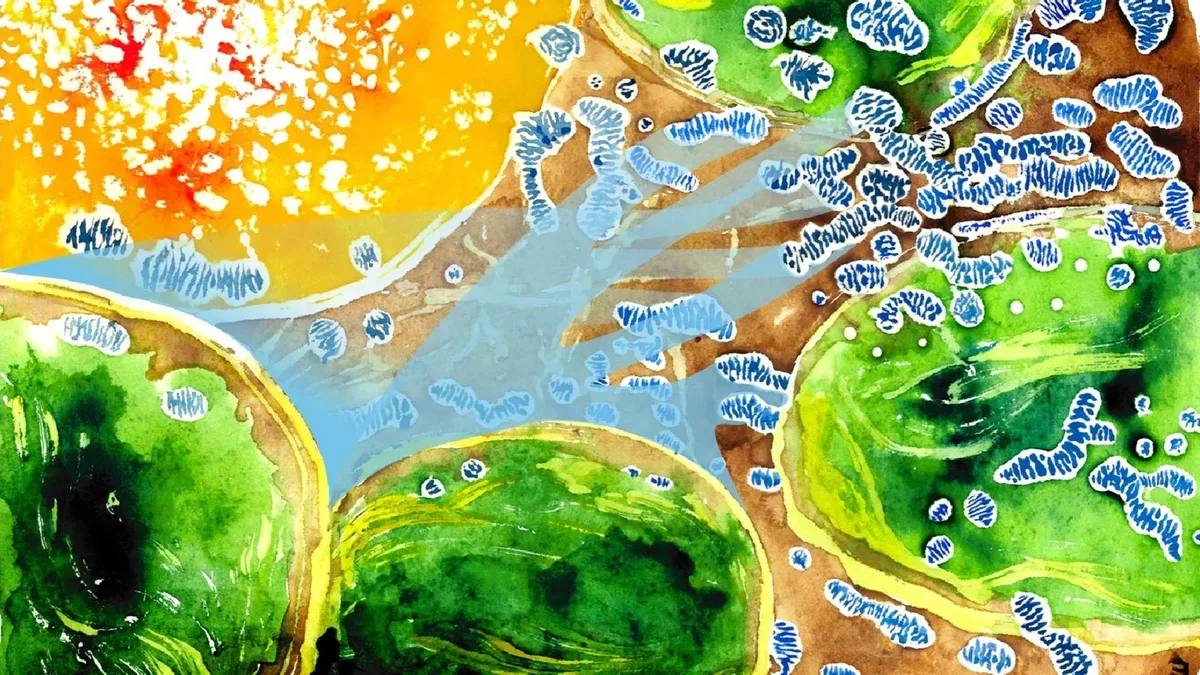
Within plant cells, oxygen dynamics are primarily governed by two types of organelles. Mitochondria utilize oxygen for cellular respiration, generating energy, while chloroplasts produce oxygen as a byproduct of photosynthesis. Despite extensive research on respiration and photosynthesis, the interplay of oxygen movement between these organelles has been less understood.
Investigation Using Arabidopsis
To explore this interaction, researchers examined genetically modified Arabidopsis thaliana plants with mitochondrial defects that led to increased oxygen consumption. This modification resulted in two significant outcomes:
- The heightened mitochondrial respiration led to decreased oxygen levels within the plant tissues.
- Chloroplasts exhibited resistance to methyl viologen, a chemical that diverts electrons and produces reactive oxygen species.
When subjected to nitrogen gas to induce low oxygen conditions, the plants demonstrated a sharp decline in electron transfer to oxygen, indicating that methyl viologen lacked sufficient oxygen to function effectively.
New Insights into Mitochondrial and Chloroplast Interactions
This research uncovered a novel interaction within plant cells, revealing that when mitochondria ramp up their oxygen consumption under stress, they effectively reduce the oxygen available to chloroplasts. This internal oxygen drain can influence photosynthesis and the management of reactive oxygen species, potentially aiding plants in adapting to fluctuating environmental conditions.
Dr. Shapiguzov stated, "This is the first evidence that mitochondria can influence chloroplasts through intracellular oxygen exchange." This discovery enriches our understanding of how plants synchronize energy production and manage stress.
Implications for Plant Resilience and Research
Gaining insight into how respiration and photosynthesis interact through oxygen exchange enhances our understanding of plant energy metabolism. This knowledge may enable scientists to better anticipate plant responses to environmental variations, such as changes in light or flooding scenarios.
Moreover, the newly identified interactions may facilitate the development of advanced techniques for measuring and imaging plant physiology, which could be instrumental in plant breeding and early stress detection in crops.