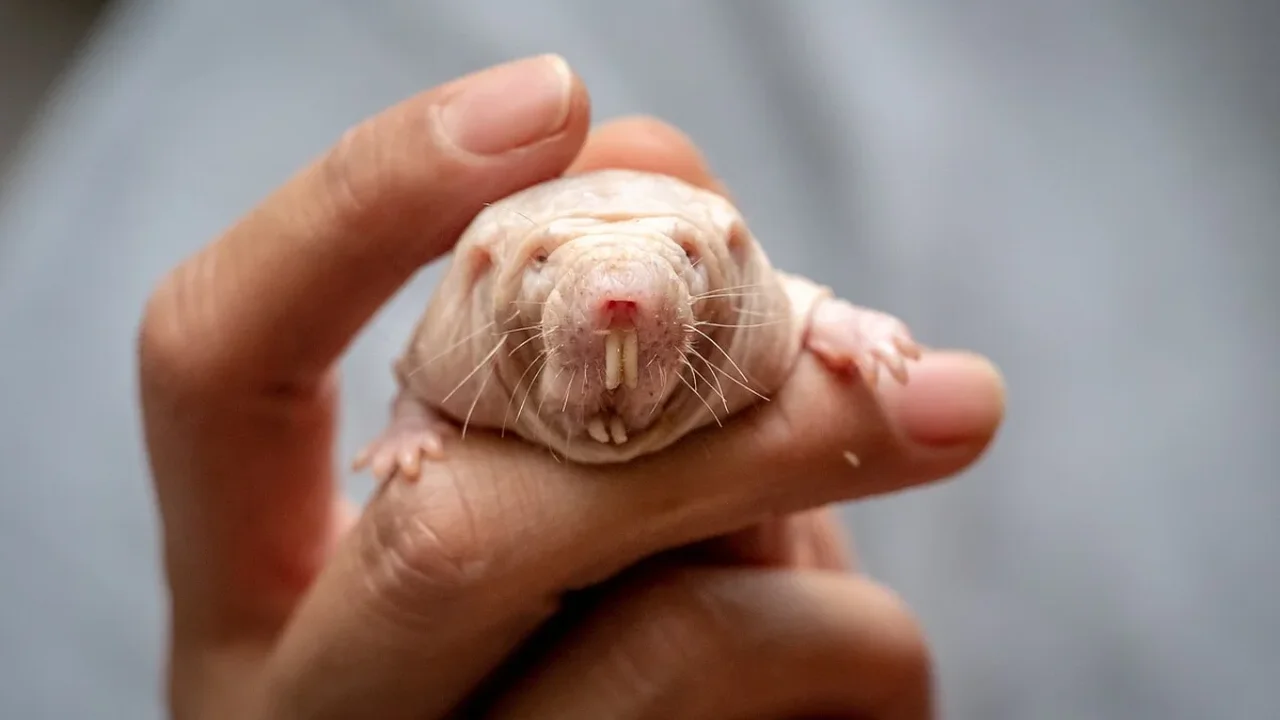
Researchers from the University of Rochester have made a significant advancement in longevity research by successfully transferring a gene associated with the remarkable lifespan of naked mole rats into mice. This innovative approach, detailed in a 2023 publication in Nature, demonstrated that certain biological advantages can be transferred across species, leading to improved health and a modest lifespan extension in the modified mice.
The study revealed that the genetically altered mice exhibited a median lifespan increase of approximately 4.4 percent compared to their non-modified counterparts. Vera Gorbunova, the Doris Johns Cherry Professor of biology and medicine at Rochester, emphasized that this research serves as a proof of principle, indicating that longevity mechanisms from long-lived species can potentially enhance the lifespans of other mammals.
Gorbunova, alongside her colleague Andrei Seluanov, focused on a specific gene responsible for producing high molecular weight hyaluronic acid (HMW-HA), a substance abundant in naked mole rats. This unique molecule is linked to the animals' impressive resistance to cancer, inflammation, and age-related decline.
The Allure of Naked Mole Rats in Aging Research
Naked mole rats, despite their mouse-like size, can live up to 41 years--nearly ten times longer than other rodents. Their extraordinary longevity is accompanied by a notable absence of common age-related ailments such as neurodegeneration and cardiovascular disease, making them a focal point for aging research.
One key factor in their longevity is the high levels of HMW-HA they possess, which is about ten times greater than that found in mice and humans. Previous studies indicated that removing HMW-HA from naked mole rat cells increased their susceptibility to tumor formation, raising the question of whether this protective mechanism could be applied to other mammals.
Gene Transfer and Its Implications
To explore this hypothesis, the research team engineered mice to include the naked mole rat version of the hyaluronan synthase 2 gene, which is crucial for producing HMW-HA. The modified mice not only had elevated levels of HMW-HA but also displayed enhanced tumor resistance and overall health, with reduced inflammation as they aged.
While the lifespan increase may seem modest, the implications are profound. The successful transfer of a longevity mechanism from one species to another opens new avenues for understanding and potentially enhancing health in various mammals, including humans.
Gorbunova noted that the next steps involve either slowing the degradation of HMW-HA or boosting its production. Preliminary trials are already underway with molecules identified to slow down HMW-HA breakdown.
Future Research Directions
Since the initial study, further research continues to uncover the unique biological traits of naked mole rats. A 2025 study published in Science highlighted another potential longevity mechanism involving the cGAS protein, which aids in DNA repair and may contribute to the animals' resilience against aging.
This ongoing exploration of naked mole rats underscores the complexity of aging and the multiple biological defenses that may contribute to their longevity. Each discovery paves the way for innovative strategies aimed at targeting the biological processes associated with age-related diseases, ultimately enhancing human healthspan.
The successful gene transfer represents a significant milestone in longevity research, suggesting that the adaptations found in nature's longest-living mammals could one day benefit human health and lifespan.