One of the most intriguing questions in biology revolves around the astonishing diversity of life on Earth. A prime example of this is found in Lake Malawi, East Africa, where over 800 species of cichlid fish have evolved from a common ancestor in a remarkably short time compared to the divergence of humans and chimpanzees.
What makes this case even more fascinating is that all this diversification occurred within a single lake. Some cichlids took on predatory roles, while others adapted to feeding on algae, sifting through sand, or consuming plankton. Each species developed unique ecological niches, coexisting harmoniously.
Researchers from the Universities of Cambridge and Antwerp embarked on a quest to uncover the mechanisms behind this rapid evolutionary process. Their findings were published in the journal Science.
Unveiling Flipped DNA Segments
The team examined the DNA of over 1,300 cichlid fish, seeking genetic traits that could account for their swift evolution.
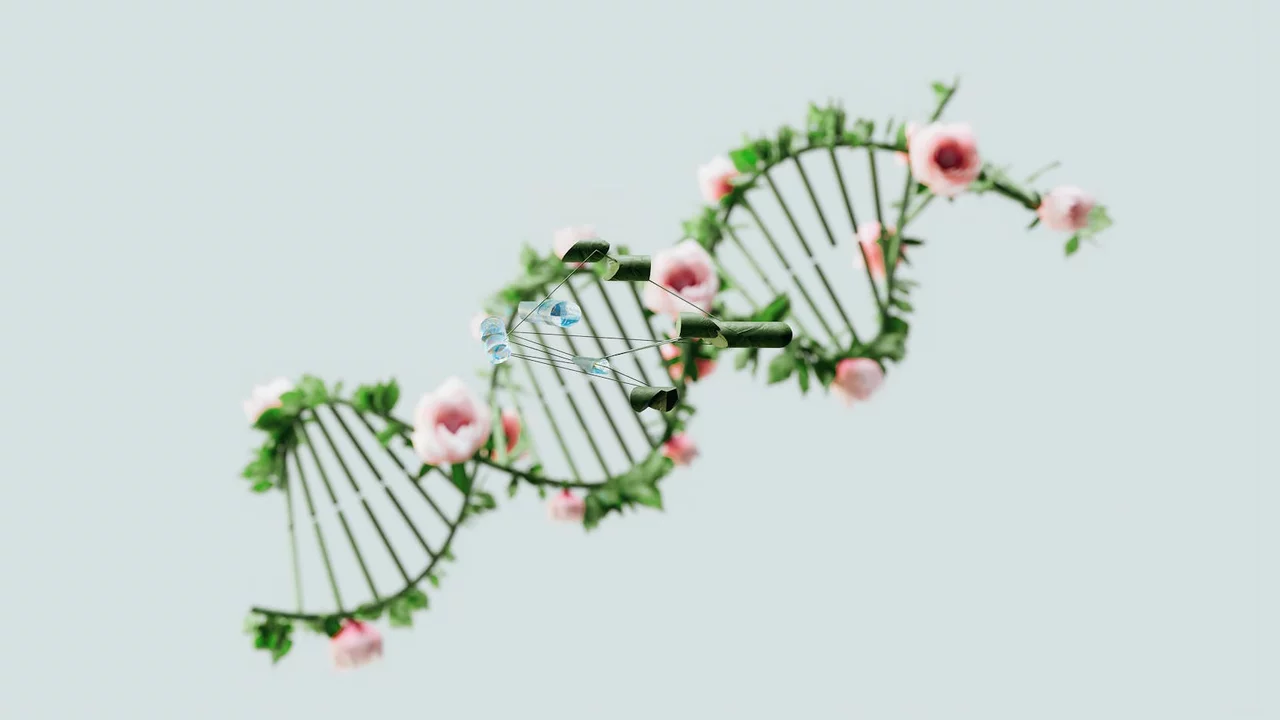
"We found that in certain species, large segments of DNA on five chromosomes are inverted--a mutation known as chromosomal inversion," explained senior author Hennes Svardal from the University of Antwerp.
In typical reproduction, DNA recombination occurs, mixing genetic material from both parents. However, within these inverted regions, this mixing is impeded. Consequently, clusters of genes remain intact and are transmitted through generations, preserving advantageous traits and facilitating a more efficient evolutionary process.
"It's akin to a toolbox where the most effective tools are grouped together, safeguarding beneficial genetic combinations that enable fish to adapt to various environments," noted first author Moritz Blumer from Cambridge's Department of Genetics.
The Role of "Supergenes" in Adaptation
These interconnected gene clusters, referred to as 'supergenes,' significantly contribute to the distinct characteristics of species. While interbreeding among different cichlid species is possible, the chromosomal inversions limit the extent of genetic mixing, thereby maintaining unique traits.
This is crucial in overlapping habitats, such as the sandy expanses of the lake, where physical barriers are absent.
Many genes within these supergenes affect vital traits for survival and reproduction, including vision, hearing, and behavior. For instance, cichlids dwelling in deeper waters (up to 200 meters) face challenges like low light and high pressure, requiring specific adaptations that these supergenes help preserve.
"When different cichlid species interbred, entire inversions could be exchanged, carrying essential survival traits and accelerating evolutionary processes," Blumer added.
Implications for Broader Evolutionary Understanding
Chromosomal inversions not only safeguard beneficial traits but can also act as sex chromosomes, influencing gender development. This factor adds complexity to our understanding of species formation.
"While our study focused on cichlids, chromosomal inversions are not exclusive to them," stated co-senior author Professor Richard Durbin from Cambridge's Department of Genetics. "They are present in many other animals, including humans, and are increasingly recognized as a vital component of evolution and biodiversity."
These insights may illuminate a long-standing question regarding the rapid diversification of life under optimal conditions.
"We have been exploring the speciation process for years," Svardal remarked. "By grasping how these supergenes evolve and disseminate, we are moving closer to answering a fundamental question in science: how life on Earth achieves such remarkable richness and variety."