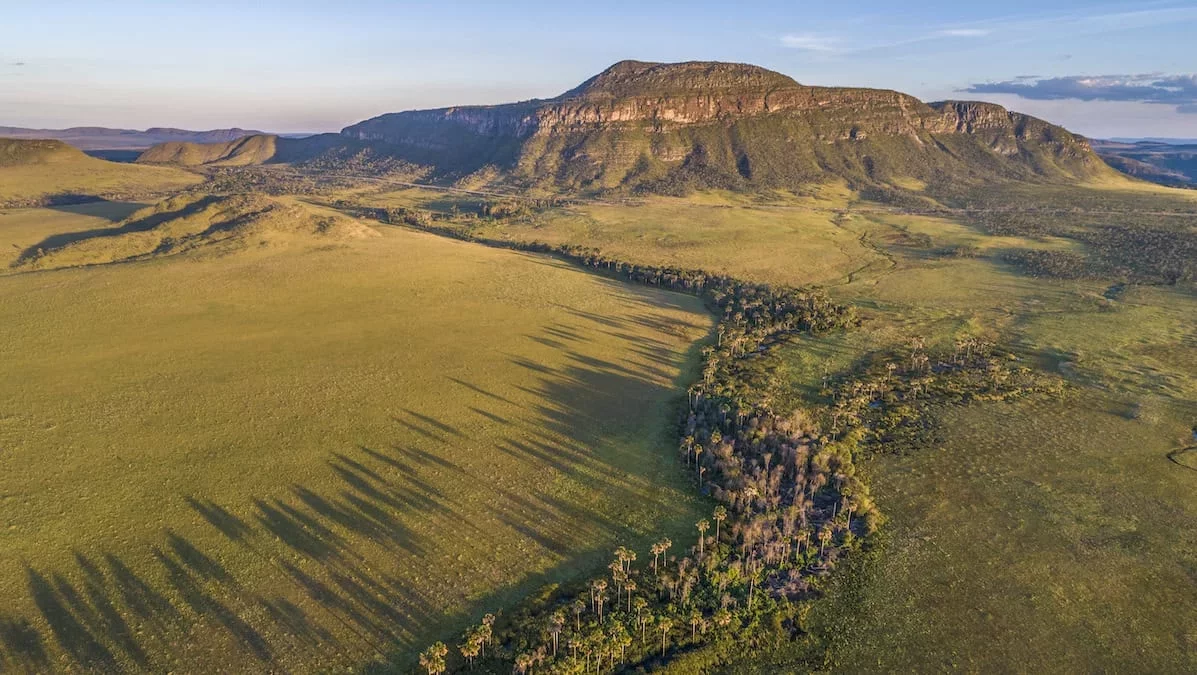
The Cerrado savanna, which spans approximately 26% of Brazil, is a remarkable biome that not only boasts over 12,000 plant species but also plays a crucial role in maintaining water security for the region. This unique ecosystem, dotted with groundwater-fed wetlands, serves as the source for two-thirds of Brazil's major rivers, including the iconic Amazon River.
Recent research published in New Phytologist reveals that these wetlands are exceptionally efficient at carbon storage, holding carbon at a density nearly six times greater than that found in the Amazon rainforest. Larissa Verona, the study's lead author and an ecologist at the Universidade Estadual de Campinas, emphasizes the wetlands' significance as one of the most vital ecosystems in the Americas for carbon accumulation, while also warning about their vulnerability.
The study highlights the urgent need to protect these ecosystems, which face threats from land use changes, agricultural expansion, and climate change. These factors can degrade the wetlands, potentially releasing their stored carbon back into the atmosphere.
Exploring Carbon Storage Potential
Previous studies had identified high carbon levels in the Cerrado's soils, but often overlooked the full extent of their potential. Researchers typically focused on shallow soil layers and did not fully account for the wetlands, which are not easily visible from above. Amy Zanne, a coauthor of the study from the Cary Institute of Ecosystem Studies, notes that this oversight has led to a significant gap in Brazil's national carbon accounting.
To rectify this, Verona and her team conducted extensive soil core sampling across seven sites within the Cerrado. Their findings revealed an average carbon density of 1,200 metric tons per hectare, a surprisingly high figure for the soil types examined. This research fills a critical data gap regarding the carbon dynamics of tropical wetlands, which have been largely understudied compared to other ecosystems.
Despite the challenges, the team's work shows that these wetlands cover around 16.7 million hectares, or about 8% of the Cerrado's total area. However, they also discovered that approximately 70% of greenhouse gas emissions from these wetlands occur during the dry season, which raises concerns about the impacts of climate change on their ability to store carbon.
Ensuring Future Protection
Radiocarbon dating indicates that the carbon stored in the Cerrado soils is ancient, with an average age exceeding 11,000 years. This highlights the critical need for effective ecosystem protection, as losing this carbon would be irreversible. Although Brazilian law offers some protections for wetland areas, it often fails to safeguard the vital water sources that sustain them.
Verona argues that preserving the Cerrado's wetlands is essential for achieving global climate goals. Strengthening legal protections and recognizing the interconnectedness of groundwater and wetlands could significantly enhance their carbon storage capabilities. As Oliveira points out, these wetlands are often overlooked in policy discussions, yet they are crucial for both local and global ecosystems.
By prioritizing the conservation of the Cerrado's wetlands, we can make significant strides toward mitigating climate change and fostering a sustainable future.