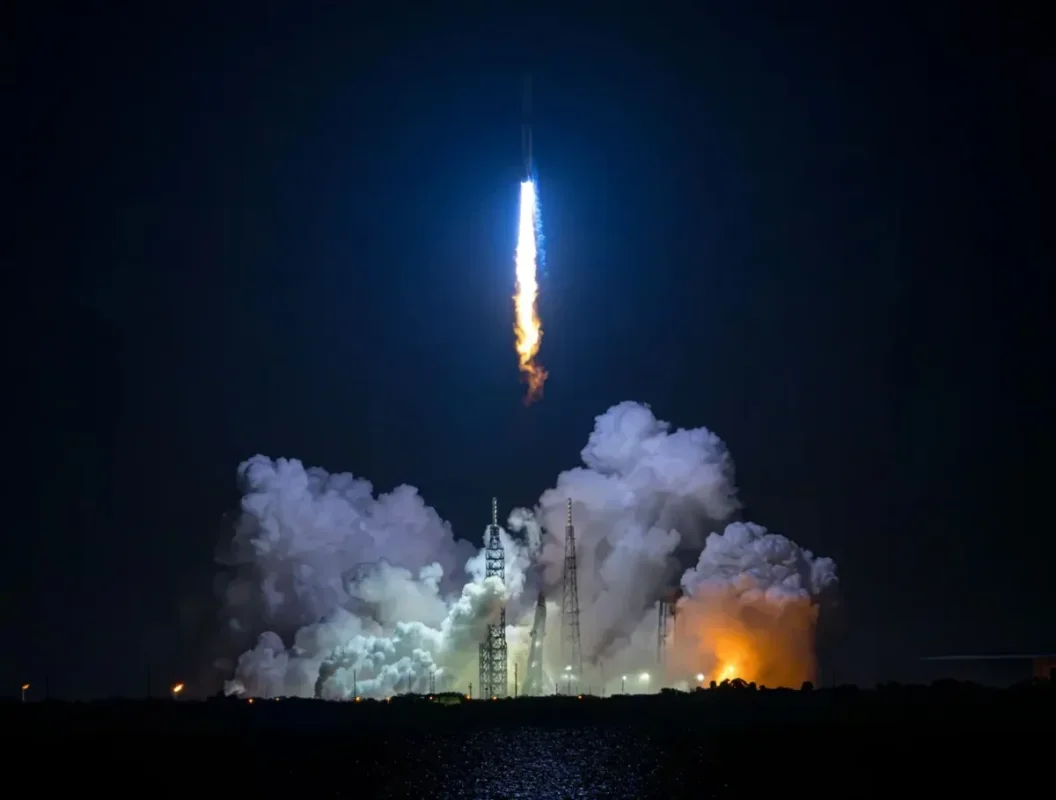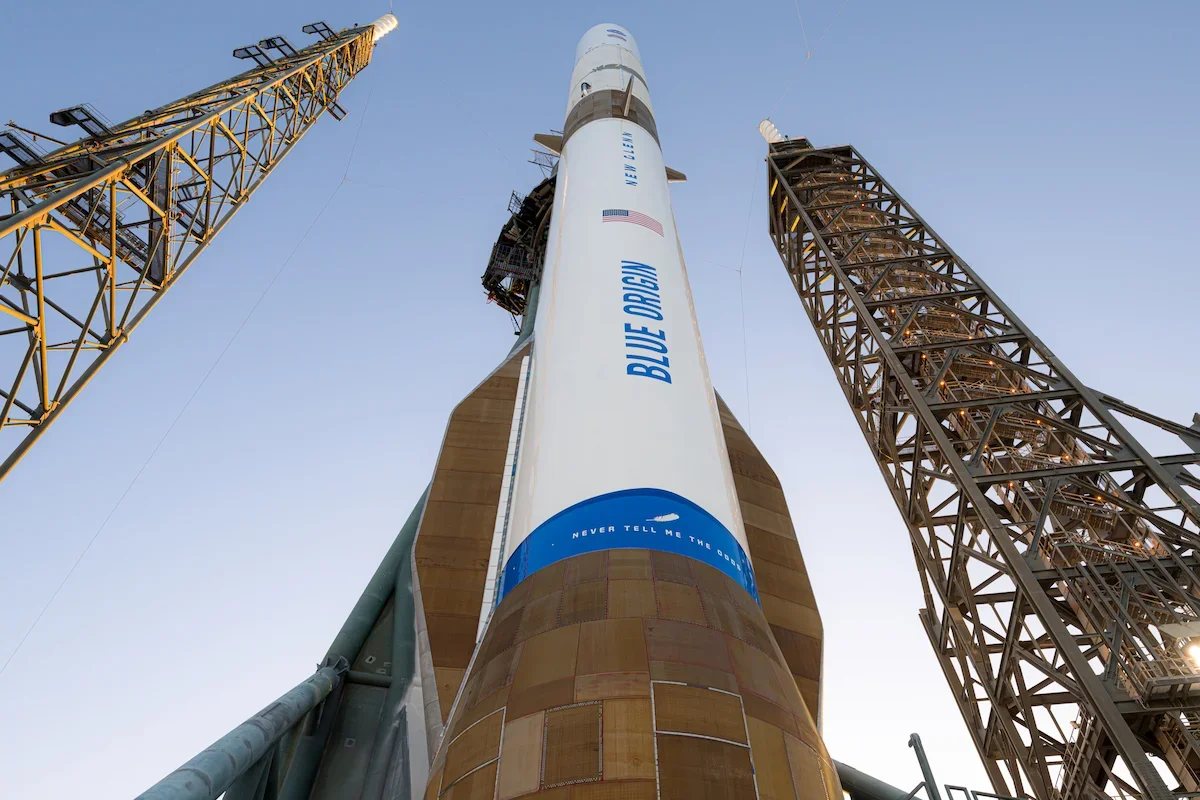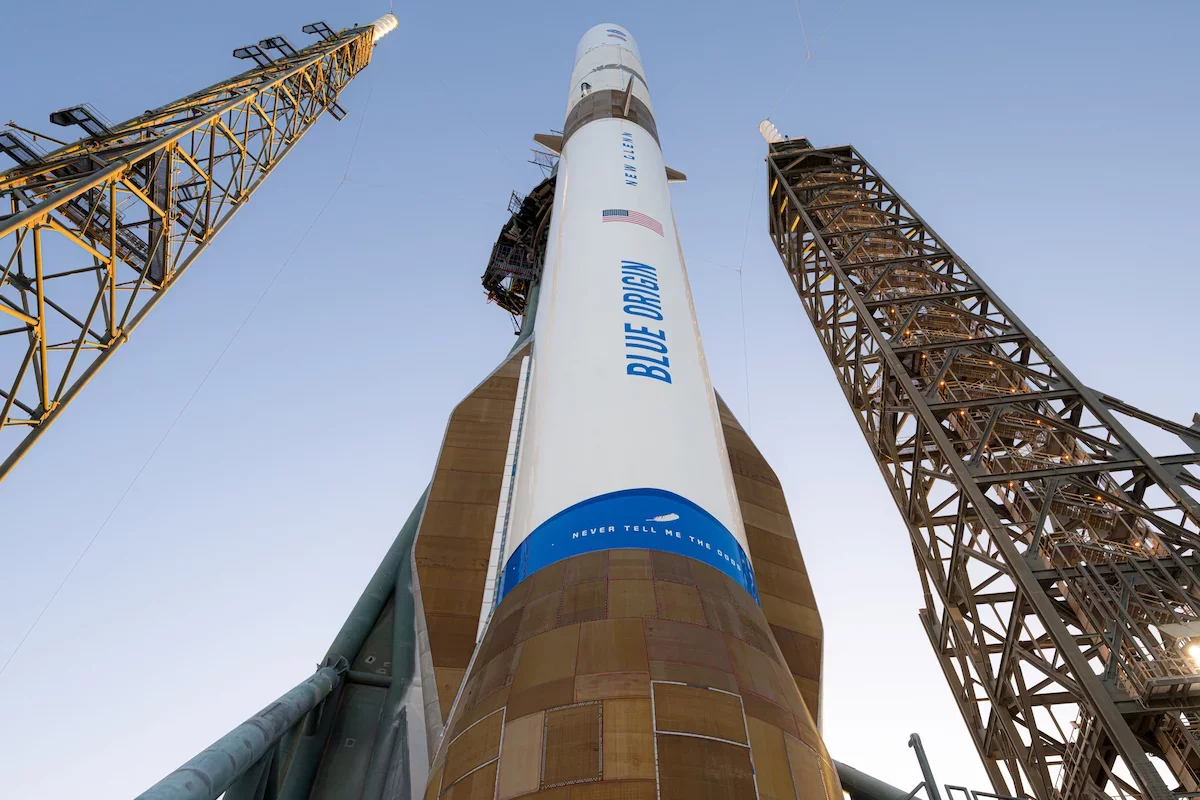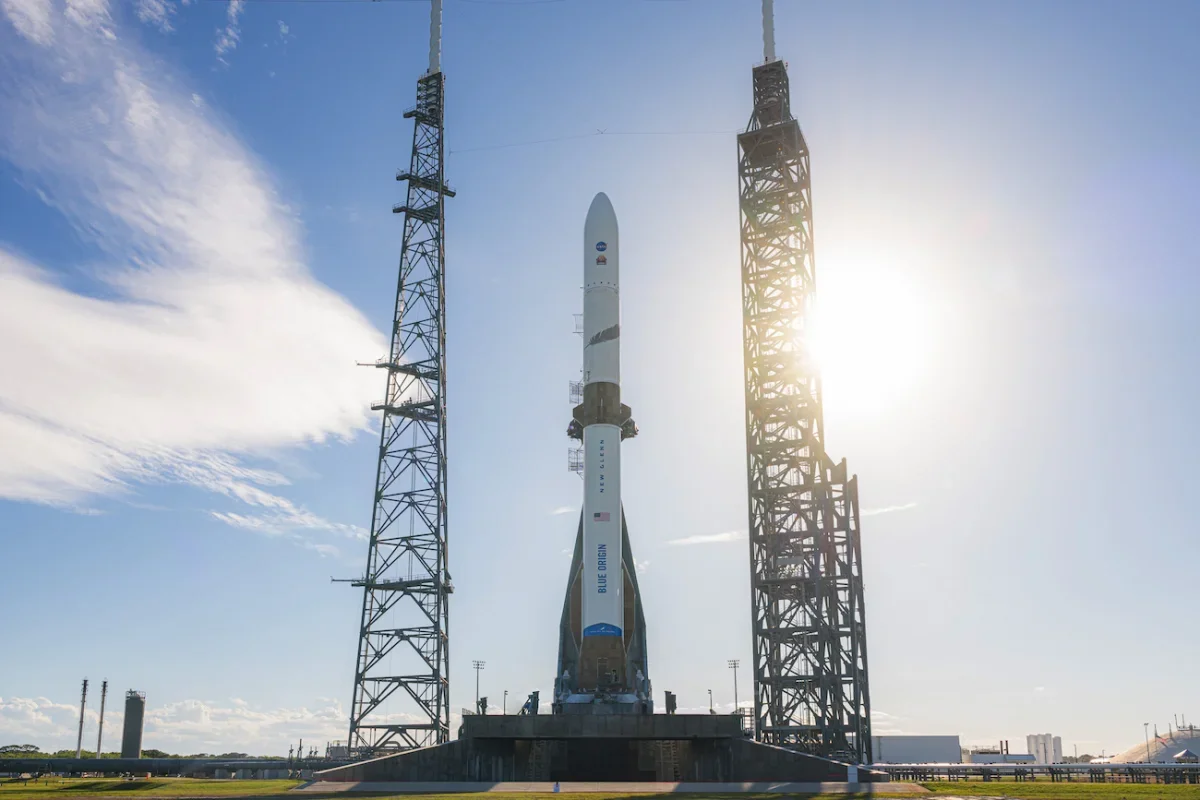
Blue Origin is pushing ahead with plans to fly its New Glenn rocket again this year, even as engineers continue to investigate what caused last month's explosion. CEO Dave Limp said the company is still working to "identify and correct the root cause," with early findings pointing to the aft section of the first stage.
The company says it is drawing on data from multiple camera angles and sensors to better understand the event. New Glenn, developed over more than a decade, first launched in January 2025 and was preparing for its fourth flight when it exploded during testing on May 28. No one was injured.
Blue Origin is also rebuilding its Cape Canaveral launch complex, which is the only pad capable of supporting the massive rocket. The blast damaged a lightning tower, the transporter-erector system, and nearby buildings, while key assets such as the water tower, gas tanks, and rocket integration facility remained intact.
Limp said the company is moving quickly and plans to replace the transporter-erector with a large crane to position New Glenn on the pad before launch. He added that this redesign could help the rocket return to flight sooner and support a higher launch rate over time.
As Blue Origin works through the investigation and reconstruction, the program remains central to the company's role in NASA's broader lunar ambitions. The next phase could help shape a faster, more flexible era for heavy-lift space missions.