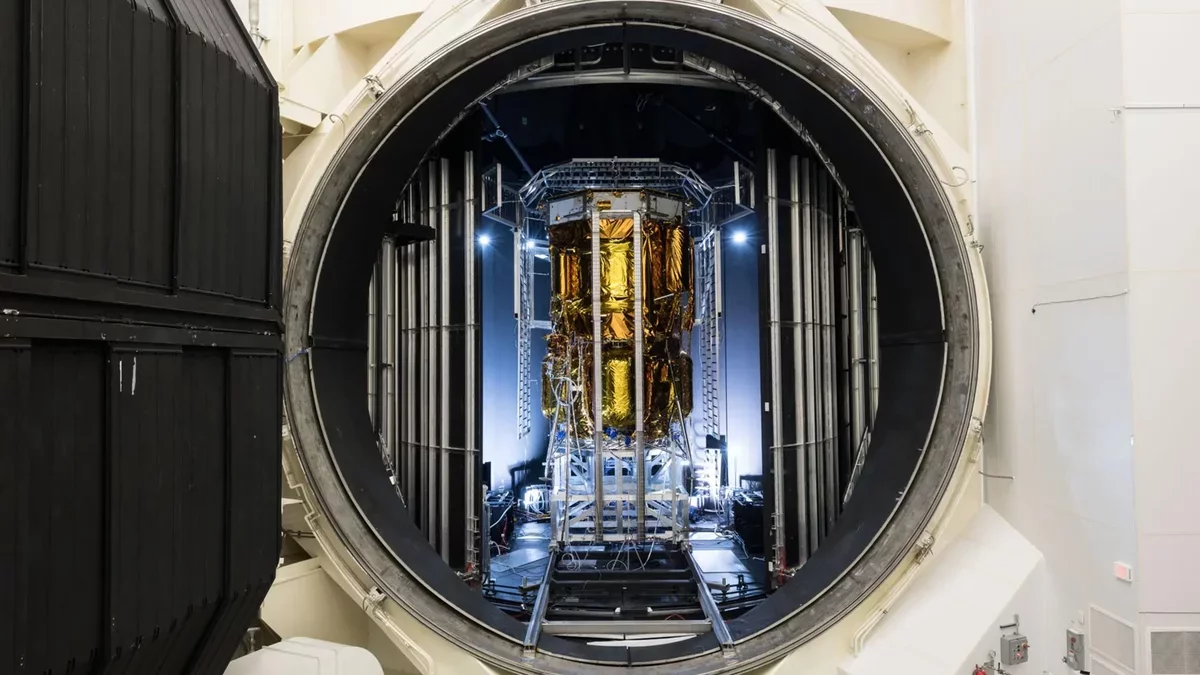
Blue Origin, the aerospace company established by Amazon founder Jeff Bezos, is seeking authorization from the U.S. government to deploy an extensive network of over 50,000 satellites designed to function as a data center in orbit.
In a recent submission to the Federal Communications Commission (FCC), Blue Origin outlined "Project Sunrise," an initiative aimed at utilizing spacecraft for advanced computation in space. This project is envisioned to alleviate the increasing demand on U.S. communities and natural resources by relocating energy and water-intensive computing tasks away from traditional data centers.
While specific plans for the satellite network remain somewhat vague, Blue Origin has indicated that it intends to leverage another proposed satellite constellation, named Terawave, to serve as a high-throughput communication backbone for these data satellites.
The prospect of relocating significant computing operations to space is appealing, as solar energy can be harnessed freely, and the regulatory landscape is less stringent in orbit. Innovators in this field foresee a future where artificial intelligence (AI) capabilities are ubiquitous, with much of the computational work being conducted in space.
Other companies are also exploring similar concepts. SpaceX has sought permission to launch a million satellites for a distributed data center, while the startup Starcloud has proposed a network of 60,000 satellites. Additionally, Google is developing its own space data center initiative, known as Project Suncatcher, which will see its partner Planet Labs launch two demonstration spacecraft in the upcoming year.
Despite the enthusiasm surrounding these space data centers, the financial viability of such projects presents challenges. Innovative solutions for cooling processors and enabling communication between satellites using powerful lasers will need to be developed at a low cost. Furthermore, researchers are still assessing how advanced chips perform under the harsh radiation conditions of space.
A significant factor in the success of these initiatives will be the cost associated with launching the necessary technology into orbit. Many stakeholders are optimistic that the price of access to space will decrease, particularly with the anticipated launch of SpaceX's Starship rocket, which is currently under development.
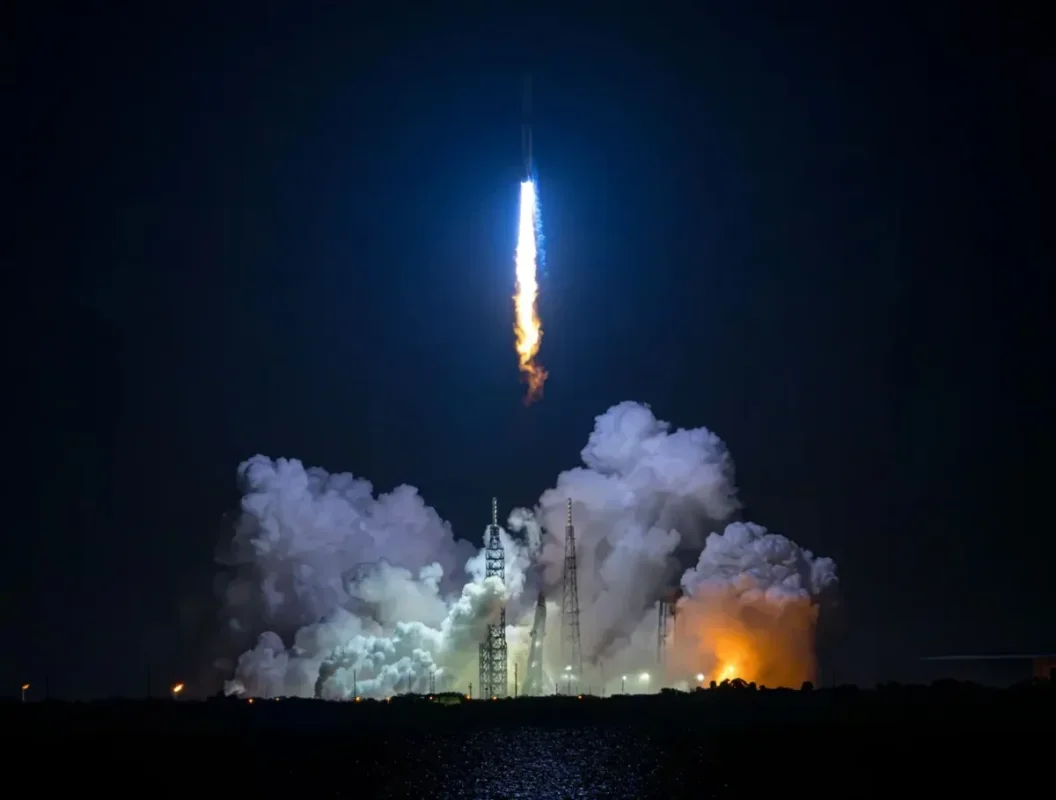
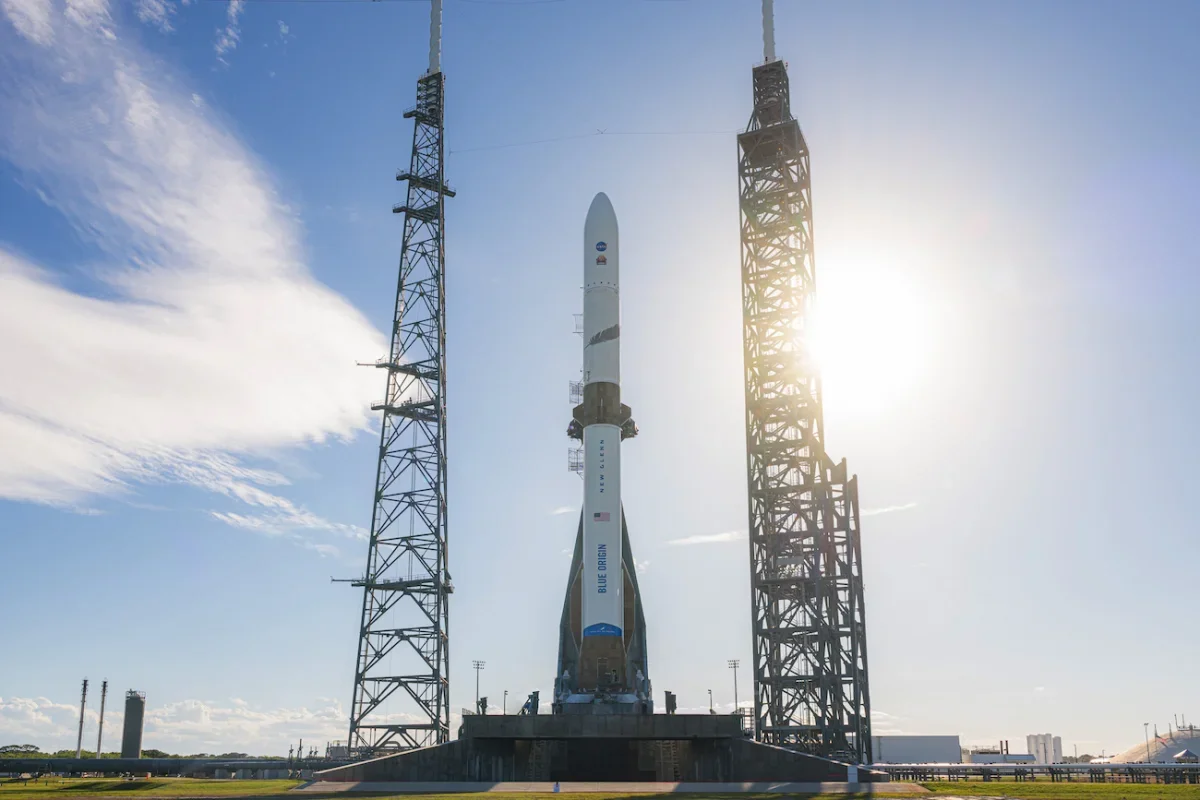
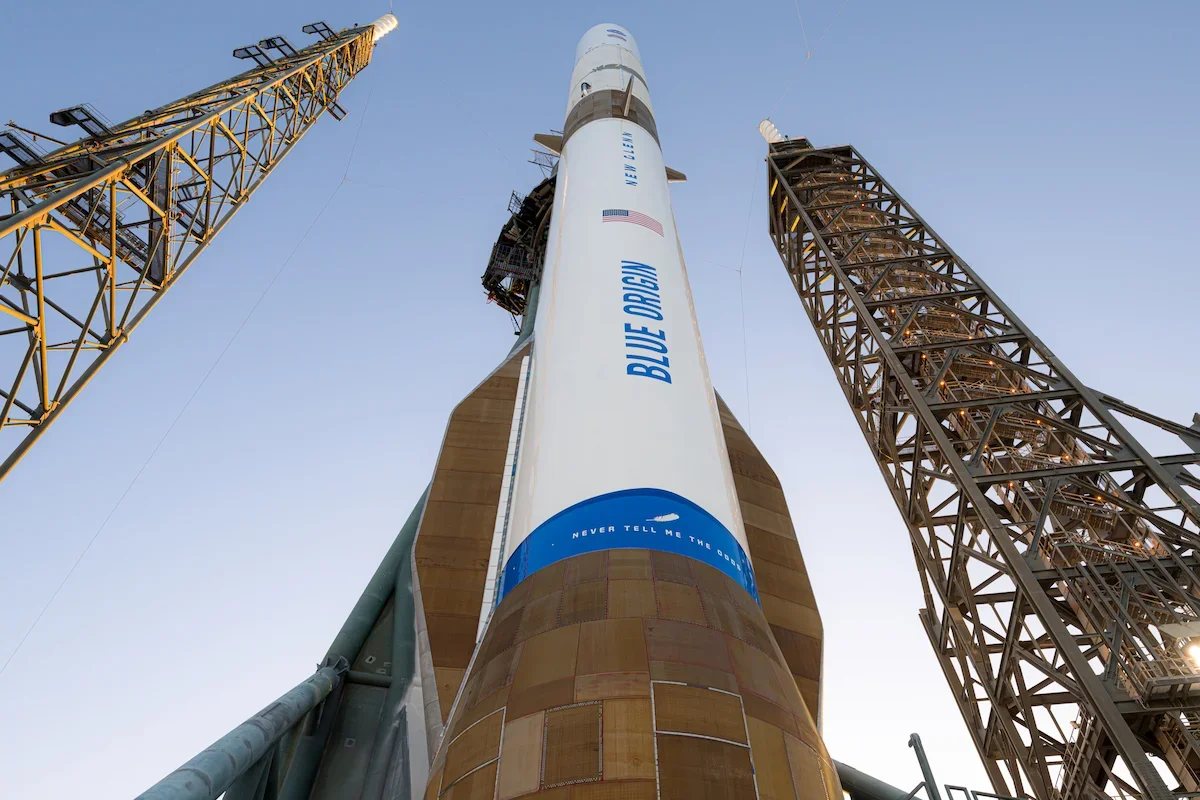
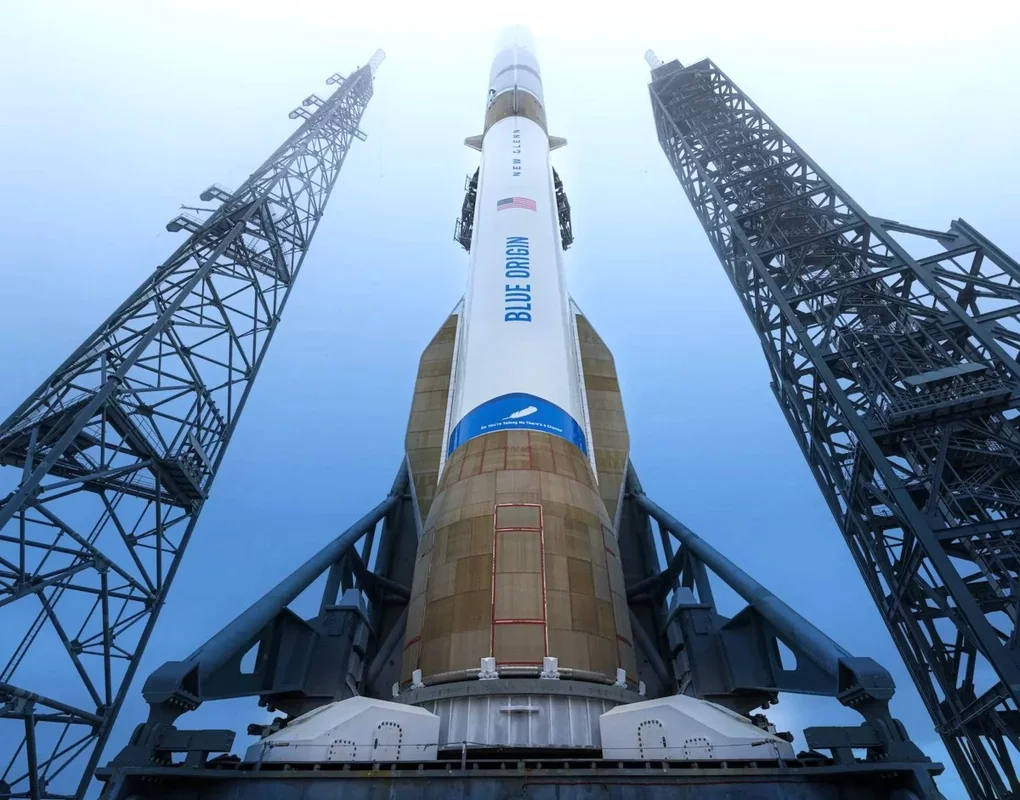
Blue Origin's New Glenn rocket, which successfully flew last year, is among the most powerful operational launch vehicles available. If the company can establish a regular launch schedule, it may gain similar advantages in vertical integration that have allowed SpaceX to excel with its Starlink network.
However, challenges remain, including the increasing congestion in key orbits around Earth. The introduction of tens or hundreds of thousands of new satellites raises concerns regarding potential orbital collisions. Additionally, the standard practice of decommissioning satellites by burning them up in the atmosphere may have implications for the upper atmosphere's chemistry and the ozone layer.
While the filing did not specify a timeline, experts suggest that the realization of such projects may not occur until the 2030s.