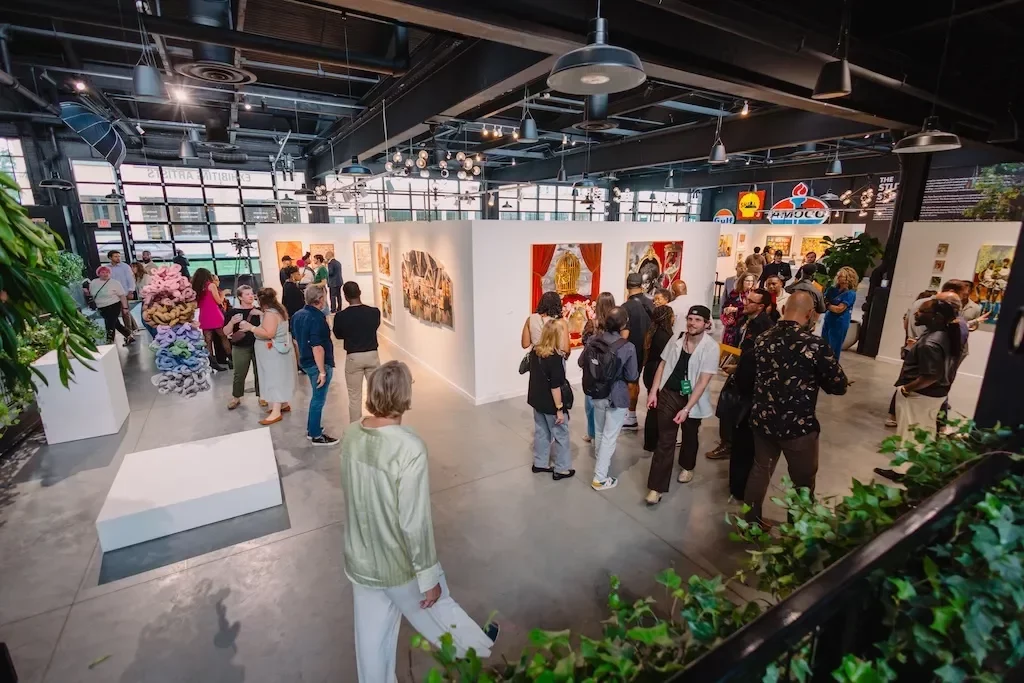
The Birmingham Museum of Art is reaching out to the community for assistance in finding artworks created by Corietta Mitchell, the first Black artist to hold a solo exhibition at the museum during the era of segregation. This initiative coincides with the museum's celebration of its 75th anniversary and aims to recover a significant part of its history.
Established in 1951 when Jim Crow laws limited Black visitors to just one day a week, the museum is now openly addressing its segregated past as part of a broader institutional reflection. In March 1963, just months before Birmingham's segregation laws were abolished, the museum quietly hosted an exhibition featuring Mitchell, who was a key figure in Birmingham's Black arts community.
Despite media coverage at the time, none of the artworks from Mitchell's exhibition have been found; only an exhibition checklist and a low-quality photograph remain. Museum officials are inviting anyone with information about Mitchell or her artwork to come forward.
"We're revisiting our past and acknowledging our history -- the good, the bad, and the ugly," stated museum director Graham Boettcher.
This outreach comes at a time when the U.S. art community is increasingly working to reshape the narratives surrounding Black artists whose contributions have been historically overlooked. Major institutions are now presenting exhibitions aimed at correcting past omissions and expanding the dialogue around African American art. For instance, the Metropolitan Museum of Art has organized significant exhibitions that explore the legacy of the Harlem Renaissance, showcasing lesser-known Black artists.
Additionally, dedicated institutions like the Studio Museum in Harlem, which was founded in 1968 to celebrate the works of African American and diasporic artists, continue to highlight Black creativity's impact on the broader art narrative. The Studio Museum, which has recently reopened its new facility, focuses on exhibitions, residencies, and public programs that connect historical and contemporary artistic voices.
The search for Mitchell's artworks not only emphasizes how museums are grappling with their institutional histories but also highlights the importance of recovering and documenting the works of artists like Mitchell. This effort not only enriches museum collections but also fosters a deeper understanding of cultural heritage, particularly as many institutions reassess whose stories are told within their walls.