Pyramids are often associated with Egypt, but ancient societies across Africa, the Americas and Asia built monumental structures with similar forms--and very different purposes. From royal burial sites to Buddhist sanctuaries, these eight examples reveal how one architectural shape could express many ideas.
Eight monuments, many meanings
Pyramid of the Sun, Mexico: At Teotihuacan, this vast monument anchors a ceremonial complex. Its original religious meaning remains uncertain, and its familiar name came later.
Nubian pyramids, Sudan: The ancient Kingdom of Kush built more than 200 pyramids, many with steep sides and underground burial chambers. Their distinctive design reflects Nubian traditions as well as cultural connections with Egypt.
Great Pyramid of Cholula, Mexico: Layers of construction made this enormous monument the world's largest known pyramid by volume. Soil and vegetation eventually obscured it, giving it the appearance of a hill; a church now stands above it.
Temple IV, Tikal, Guatemala: Rising about 65 meters above the rainforest, this Maya temple was built around 740 CE. Its height once looked over a major political and ceremonial center.
El Castillo, Chichén Itzá, Mexico: Also called the Temple of Kukulcán, this Maya pyramid is associated with calendar symbolism and a striking interplay of sunlight and shadow. Some popular interpretations of its numerical design remain debated.
El Castillo, Xunantunich, Belize: This approximately 40-meter-high structure served as a ceremonial and civic center. Its carved stucco decorations offer insight into Maya beliefs and authority.
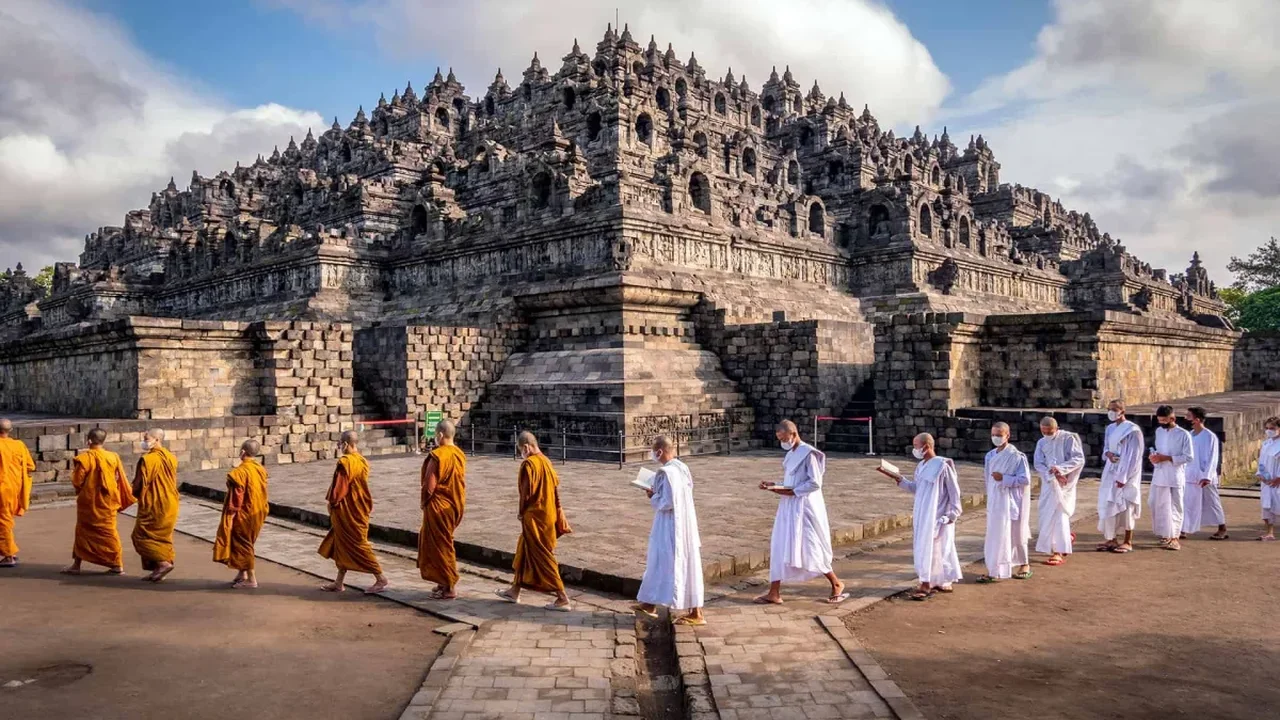
Borobudur, Indonesia: Built in the 8th and 9th centuries, this Buddhist monument rises through terraces and circular platforms toward a central stupa. Its ascending design represents a spiritual journey through Buddhist cosmology.
Ziggurat of Ur, Iraq: Built around 2100 BCE, this stepped Mesopotamian monument supported a temple dedicated to Nanna, the moon god. Unlike a tomb, it formed part of the city's religious and civic life.
Together, these sites show that monumental architecture was never simply about height or shape: each structure reflected the society that built it. Continued study of these places can deepen our understanding of how past civilizations imagined power, spirituality and humanity's place in the world.