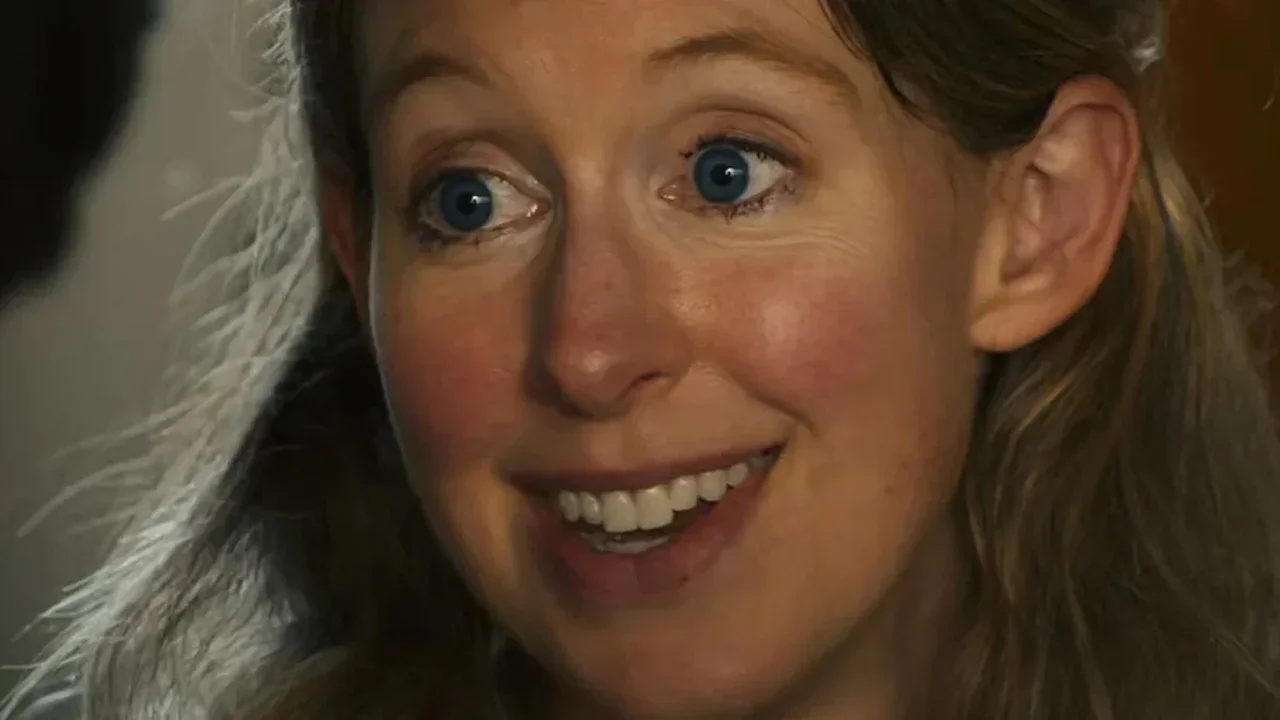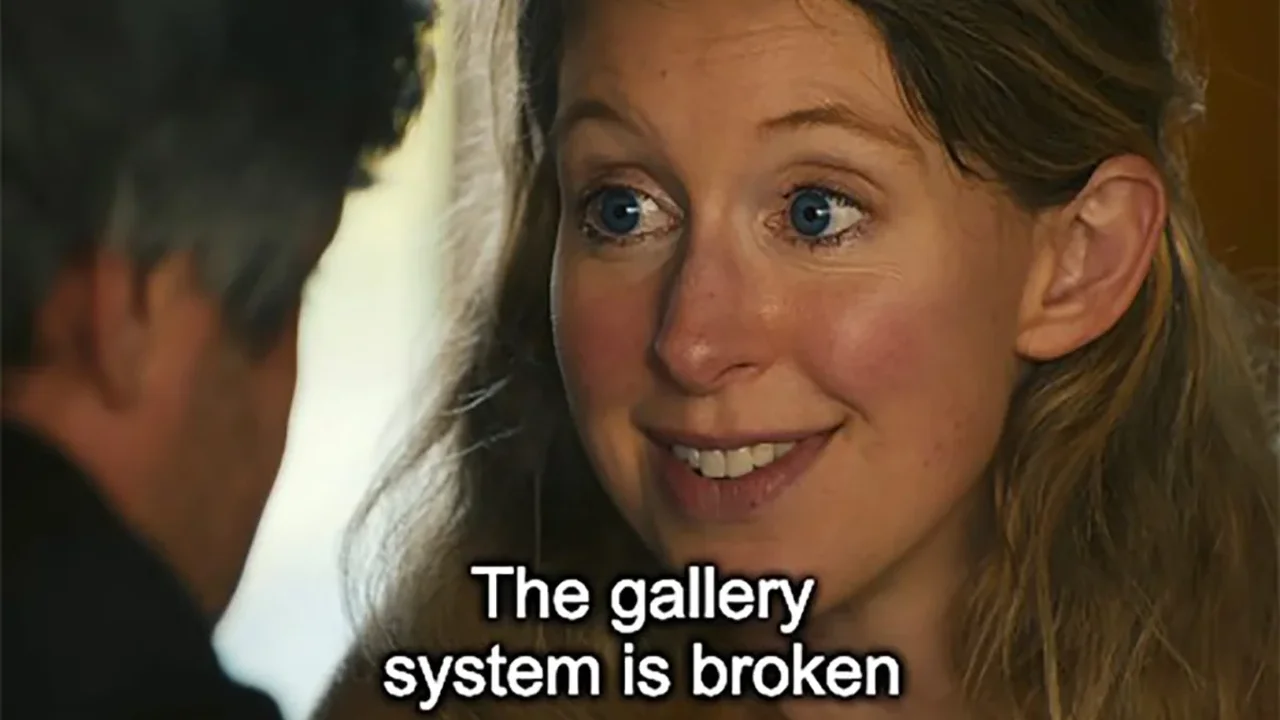
You Can See Everything may center on Elizabeth Holmes and her partner, Billy Evans, but co-director Nathan Fielder becomes the film's most revealing presence. Rather than simply investigating its subjects, the documentary also draws attention to Fielder's search for a human connection with them.
Fielder's understated, dry on-screen manner gives viewers a familiar point of entry into the film's unusual, self-aware approach. In one memorable moment, he introduces Holmes to Abbott and Costello's "Who's on First?" routine, responding with the kind of genuine amusement many viewers might recognize in themselves.
Co-director Lance Oppenheim has described Fielder as a surprisingly masculine presence in the film. That impression comes not from conventional displays of strength, but from his ease with vulnerability and his comfort in his own skin. His everyday appearance and unguarded reactions also make him feel more like an audience stand-in than a traditional movie-star ideal.
That perspective contrasts with Evans, whose scenes include more familiar markers of masculinity. By placing the two men alongside each other, the film invites viewers to consider how varied expressions of manhood can be. Fielder's presence suggests that self-awareness and vulnerability can be as compelling as confidence or physical toughness.
As documentaries continue to experiment with the filmmaker's role in the story, Fielder's approach may help broaden how audiences see masculinity on screen--making room for more relatable and individual versions of it.