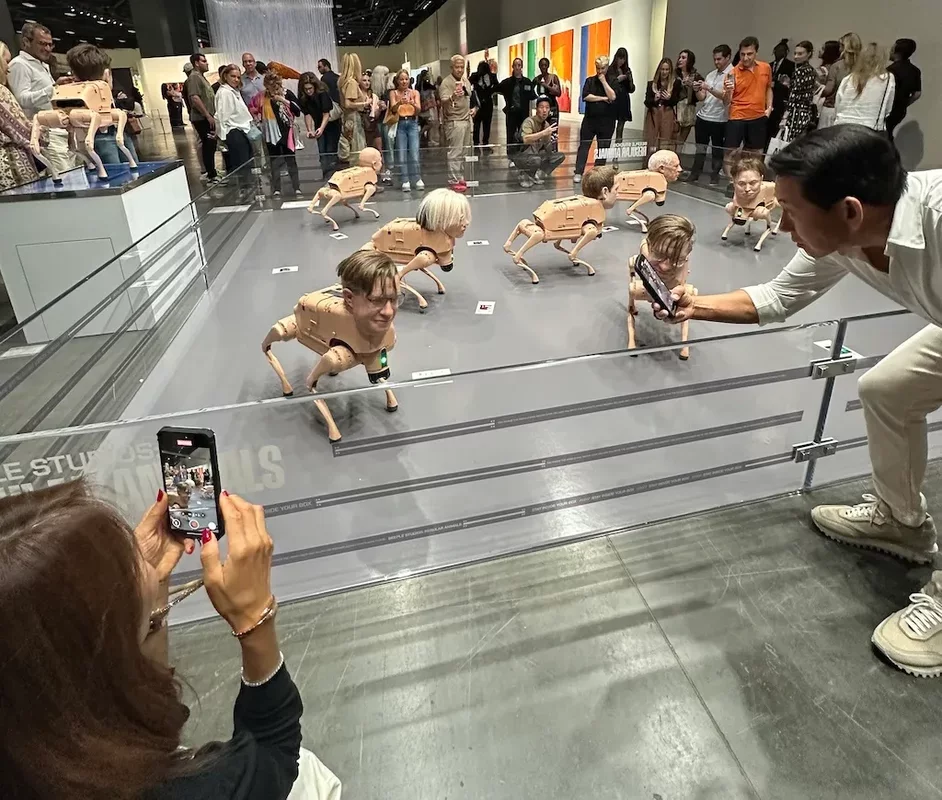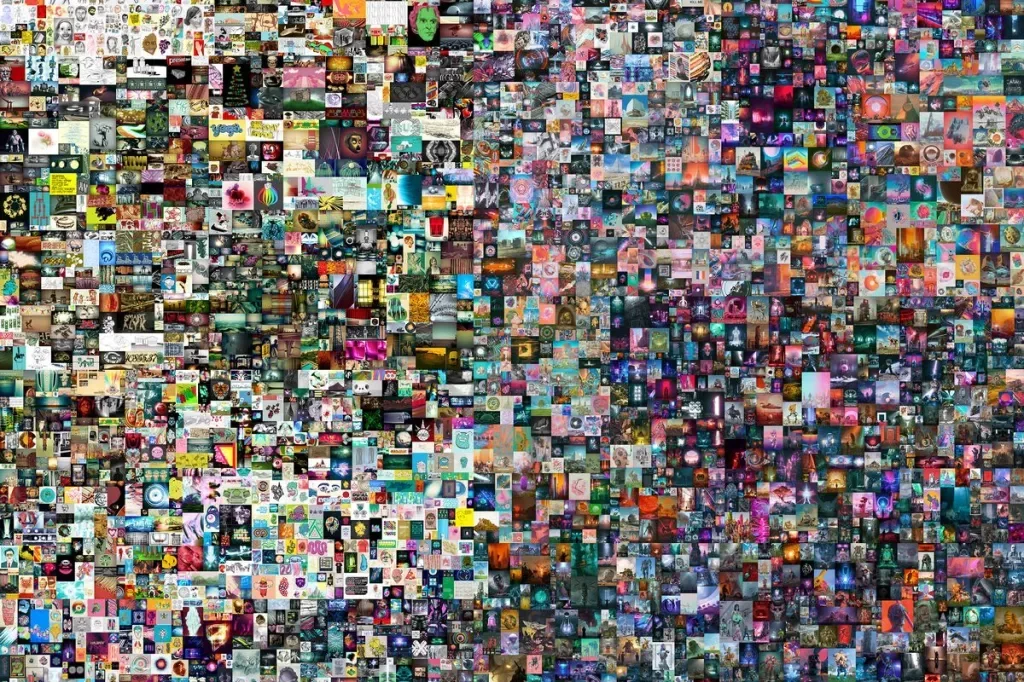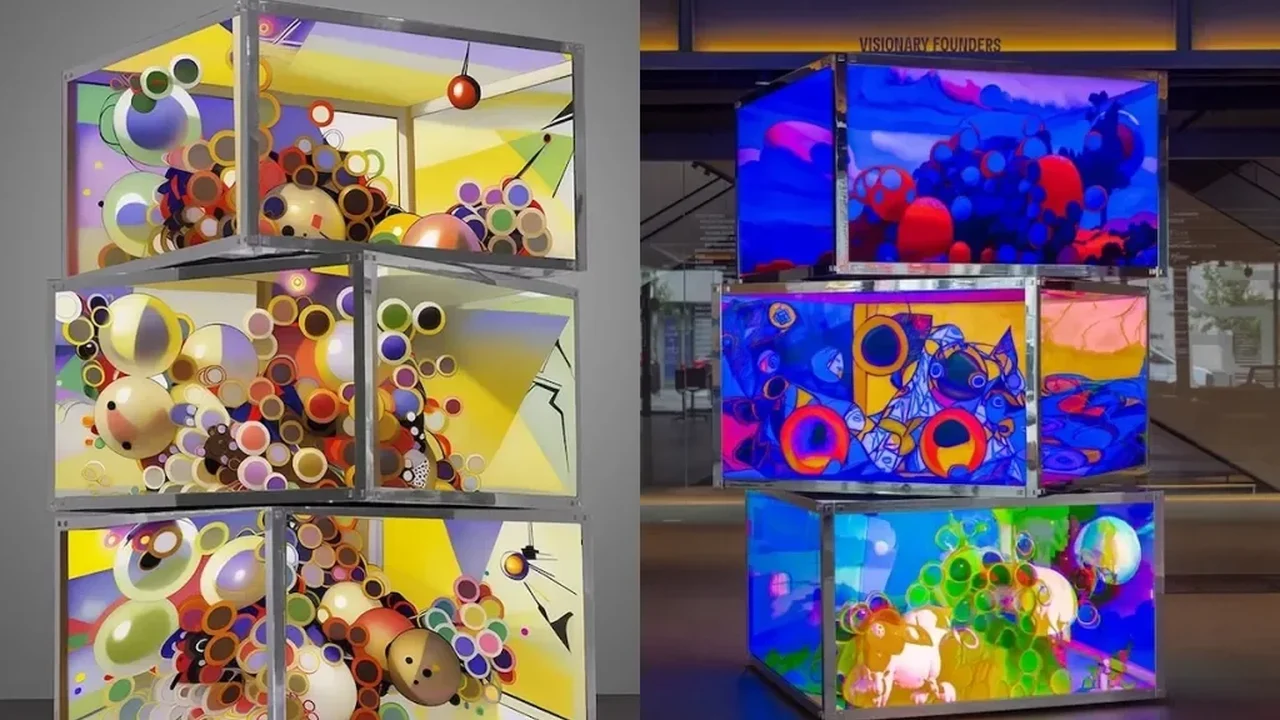
Beeple's upcoming installation at Wisconsin's Madison Museum of Contemporary Art has sparked discussion ahead of its opening, as local signatories question how the work uses AI to process artworks from the museum's collection.
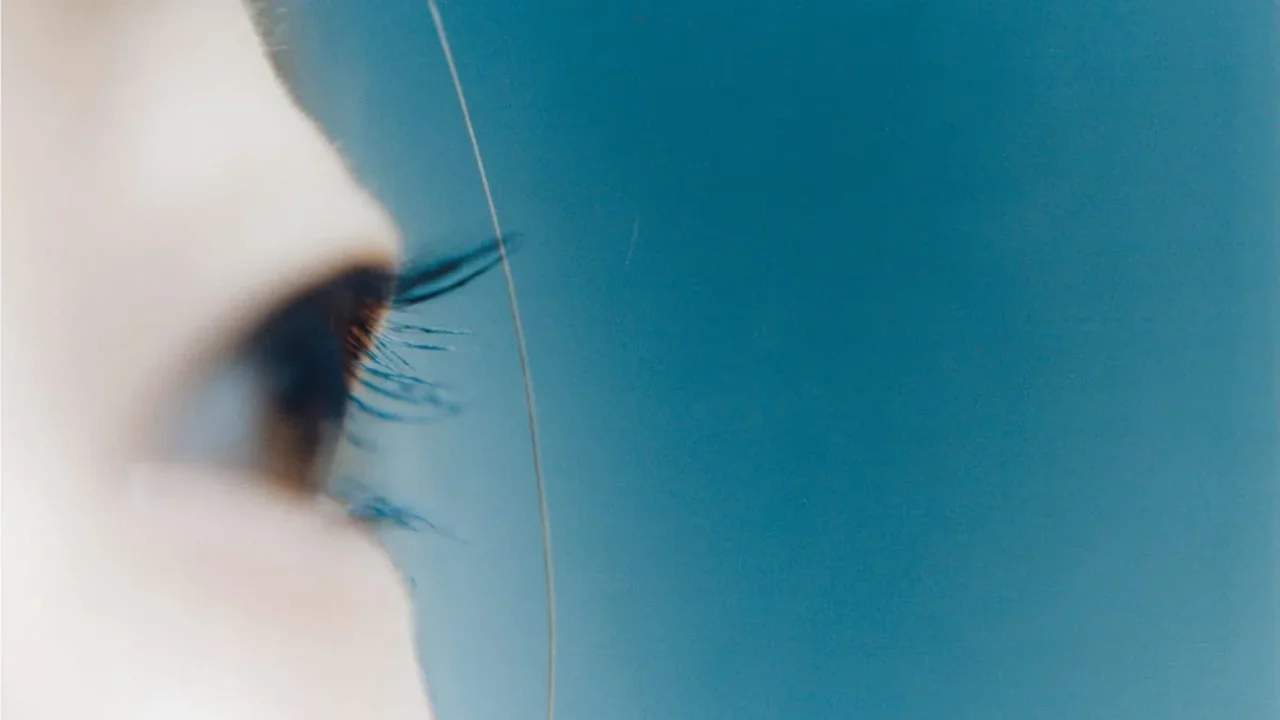
The piece, titled Diffuse Control (2025), is described as an interactive digital environment where visitors can generate and purchase images shown on its screens. An open letter circulating in late August argues that the project raises important questions about consent, artist agency, and the use of collection images in generative systems.
According to the museum's presentation, the Wisconsin version of the work will draw from artists including Francisco Goya, Rosa Bonheur, James McNeill Whistler, Gertrude Abercrombie, Utagawa Hiroshige, and Barbara Rossi. Some of these works are in the public domain, while others may still be protected by copyright.
The letter also calls for greater transparency, asking the museum to publish the full list of works used in the project. Museum director Paul Baker Prindle has framed the installation within a longer history of algorithmic art, referencing pioneers such as Vera Molnár and Harold Cohen.
Beeple, who rose to global prominence through digital art and NFTs, has not publicly responded to the request for comment. The debate around Diffuse Control reflects how museums, artists, and audiences are redefining the role of AI in contemporary culture--and how that conversation may shape the future of creative practice.