Back development often gets less attention than chest or arm work, yet it plays a central role in creating a balanced, athletic physique. A well-planned routine can help build width, thickness, and the classic V-shaped look.
How many back exercises are ideal?
The practical baseline is three back exercises per week. That is enough to cover the major muscle groups when training is organized well. Depending on your split, those movements can be completed in one session or distributed across two to three workouts.
At the upper end, research suggests a useful ceiling of about six exercises or roughly 20 total sets weekly, whichever comes first. In simple terms, three to four sets across three to six exercises is a strong target for most lifters.
Why variety matters
Effective back training is not just about adding more volume. The key is combining different movement patterns and body positions so the lats, traps, rhomboids, rear delts, and spinal erectors all receive attention. Rows alone are not enough; a complete plan should include multiple angles.
A balanced structure can include four main categories: horizontal pull, vertical pull, horizontal abduction, and hip hinge. Together, these patterns create a more complete stimulus for the entire back.
Core movement categories
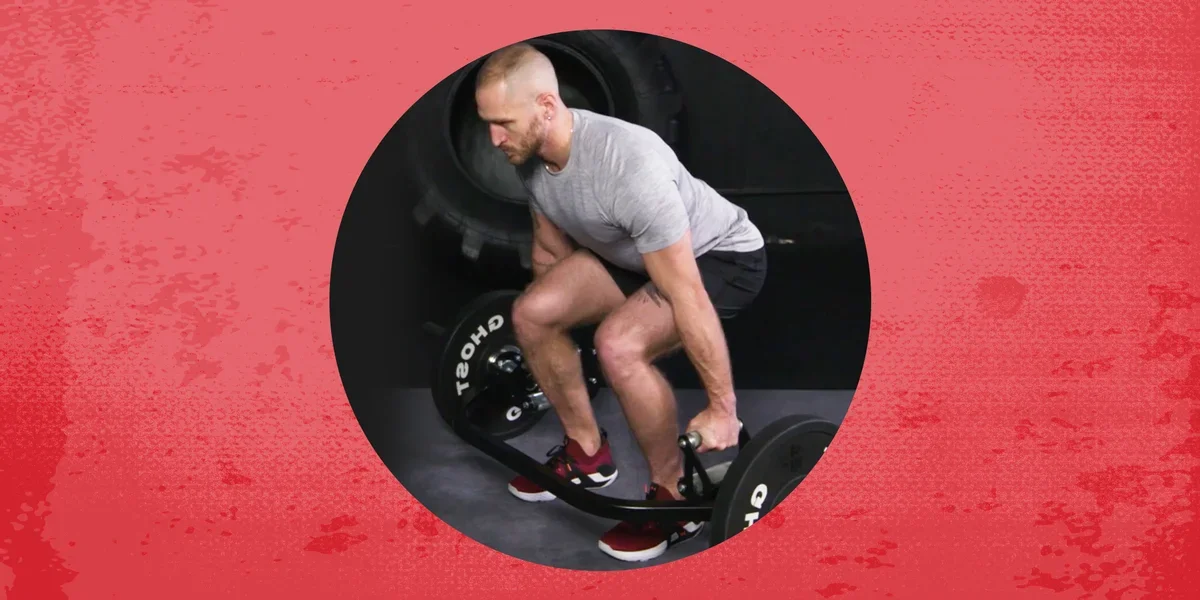
Horizontal pulls, such as dumbbell rows, train the mid-back while also allowing heavier loads. Vertical pulls, including pullups and lat pulldowns, strongly target the lats, which are essential for width. Horizontal abduction work, like rear delt flyes, supports the upper back and rear shoulders. Hip hinge movements, such as trap bar deadlifts, add a powerful full-body component that also engages the posterior chain.
For most people, the smartest strategy is not chasing endless variations, but selecting a few high-value exercises and progressing them consistently. That approach supports strength, symmetry, and long-term growth.
In the future, more precise training plans like this may make back development simpler, more efficient, and more accessible for everyday fitness routines.