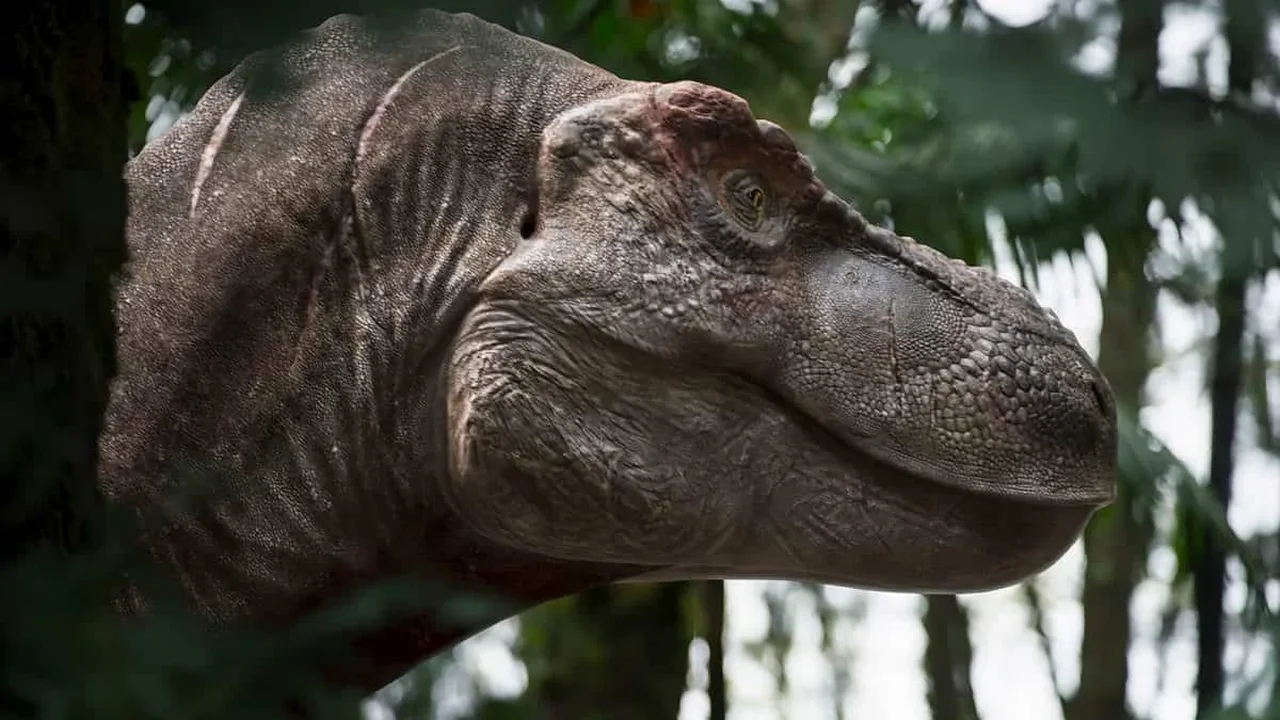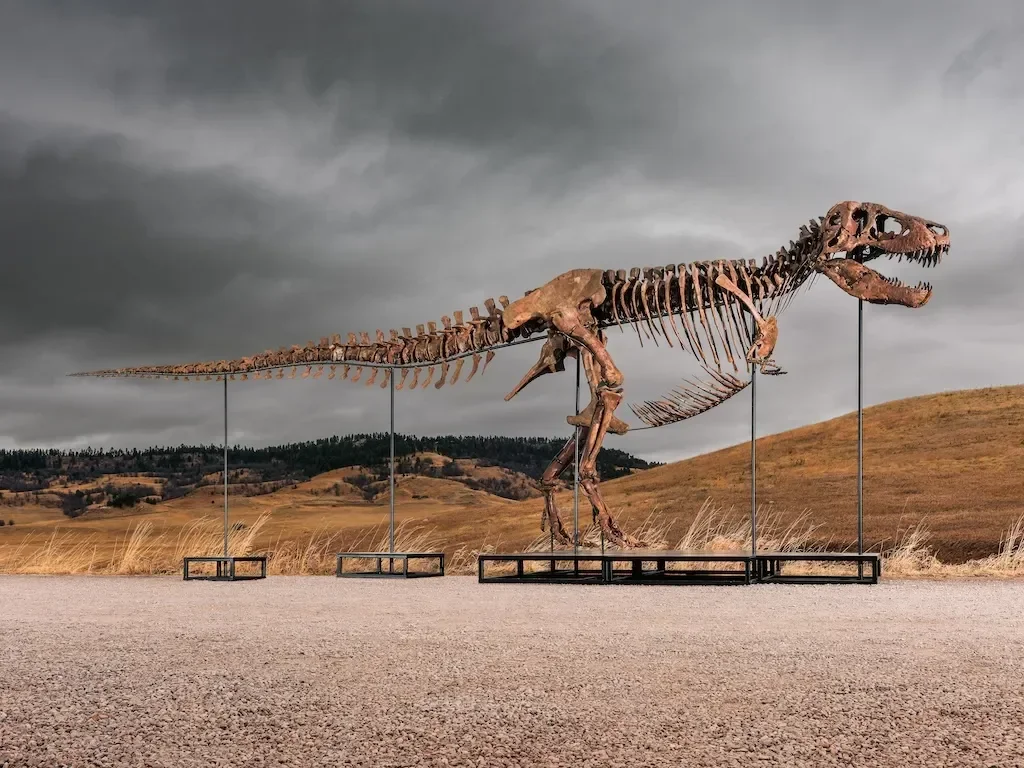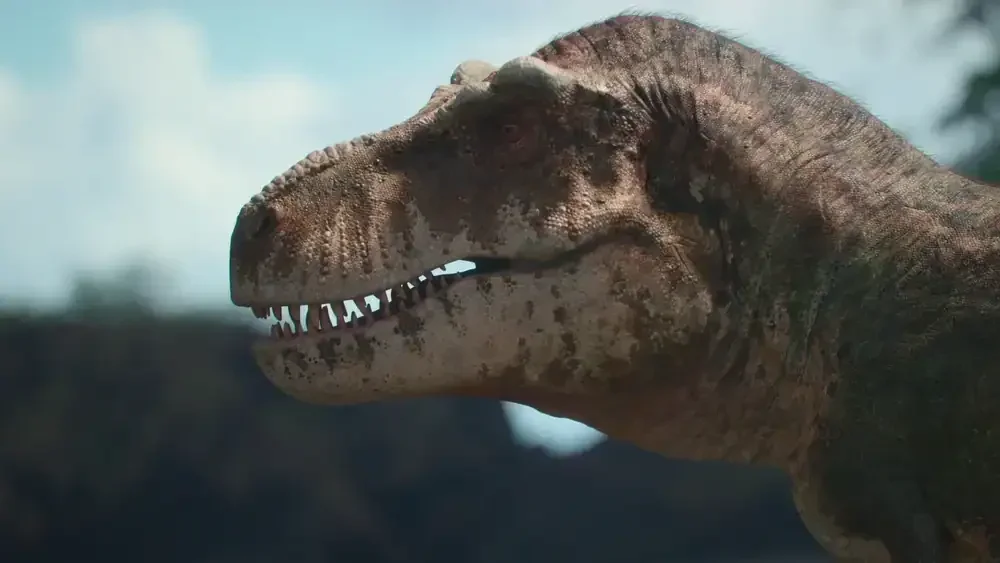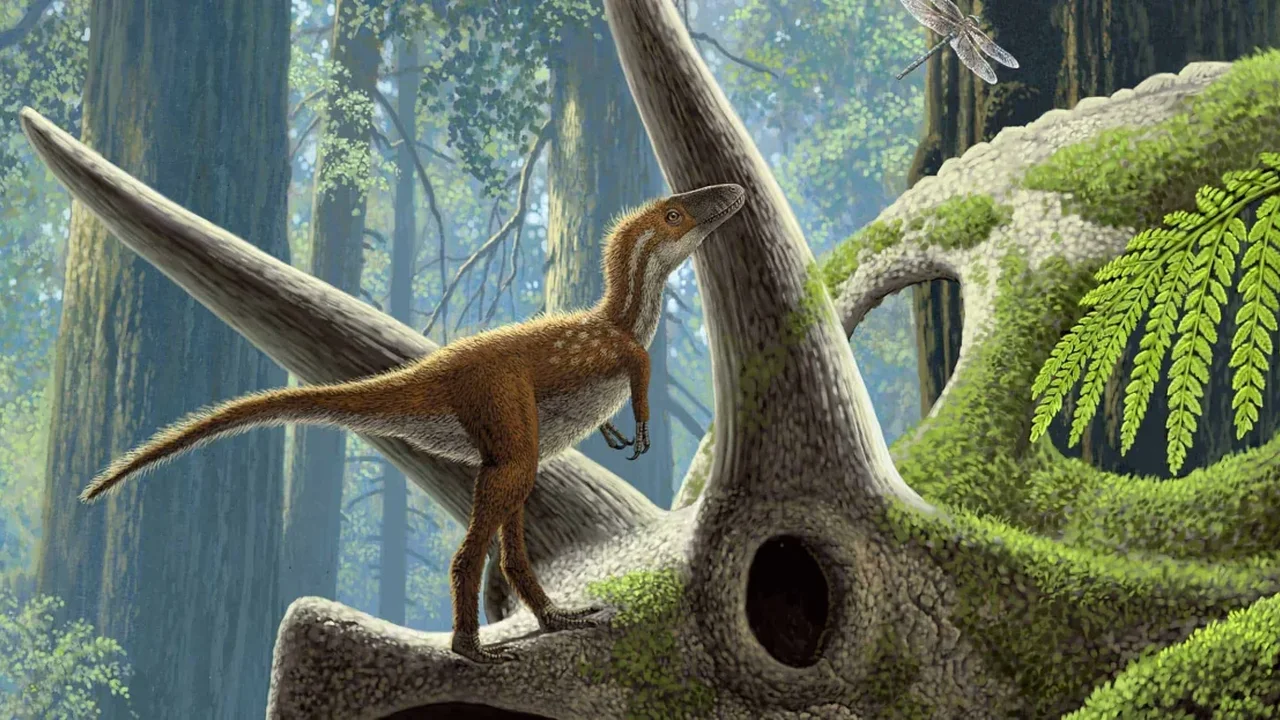
New fossil analysis is reshaping the picture of Tyrannosaurus rex at the very start of life. Researchers studying a tiny foot bone, a jaw fragment and shed teeth suggest that hatchlings were about the size of a house cat, weighing roughly 1.6 kilograms, and were already built for movement.
Using high-resolution scans at the Canadian Light Source, the team found bone features linked to rapid growth and repeated stress. The structure of the foot bone indicates the young dinosaur was likely walking and running soon after hatching, rather than remaining motionless inside the egg.
The teeth tell a similar story. Their shape closely matches miniature adult T. rex teeth, and the worn tips imply the young animals were already feeding on relatively large vertebrate prey. The fossils also point to a broader reproductive strategy: instead of a few large eggs, adult tyrannosaurs may have laid many smaller ones, possibly in clutches of 20 to 50 or more.
The study, published in Biology, also draws on comparisons with Gorgosaurus and living birds and crocodilians to estimate egg size and clutch investment. The results suggest tyrannosaurs likely followed a strategy of producing many offspring with limited parental investment, while still possibly offering some early protection near the nest.
Because no confirmed T. rex nest or egg has been found, these conclusions remain carefully modeled rather than definitive. Even so, the fossils offer one of the clearest views yet of how the species may have begun life: small, mobile and ready to hunt early.
This discovery shows how even the smallest museum specimens can transform our understanding of prehistoric life, opening new paths for future paleontology research.