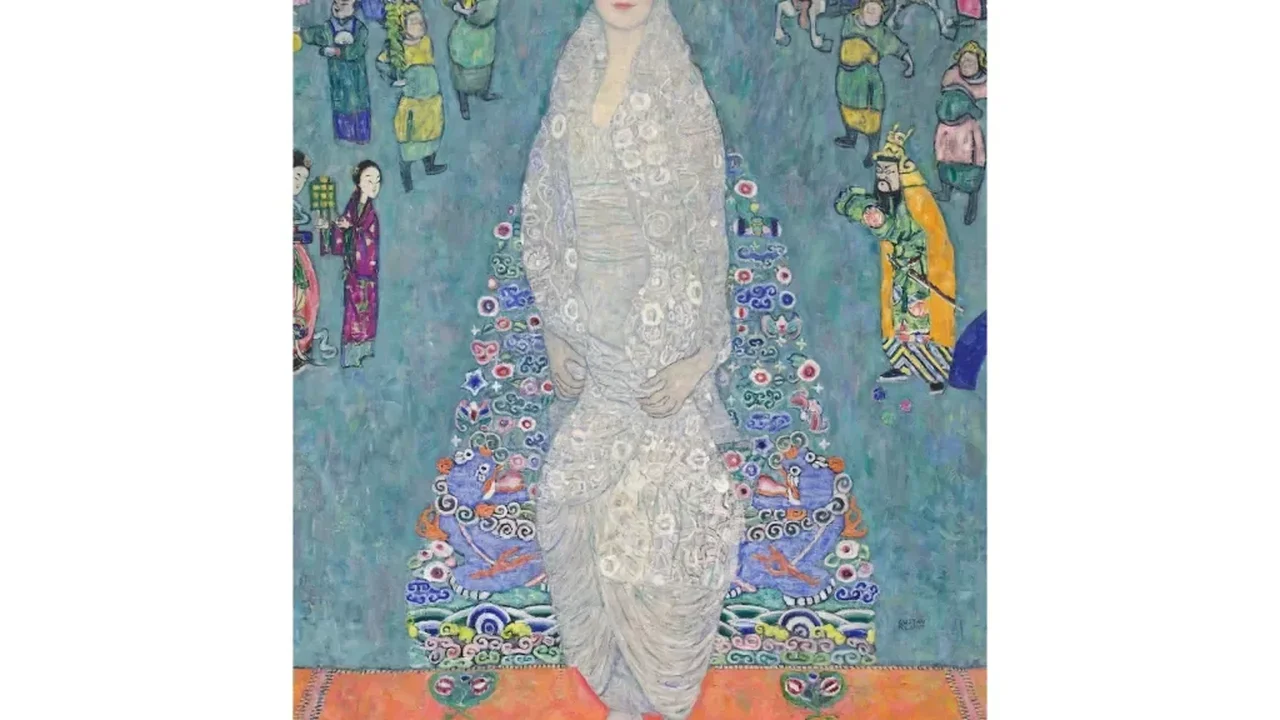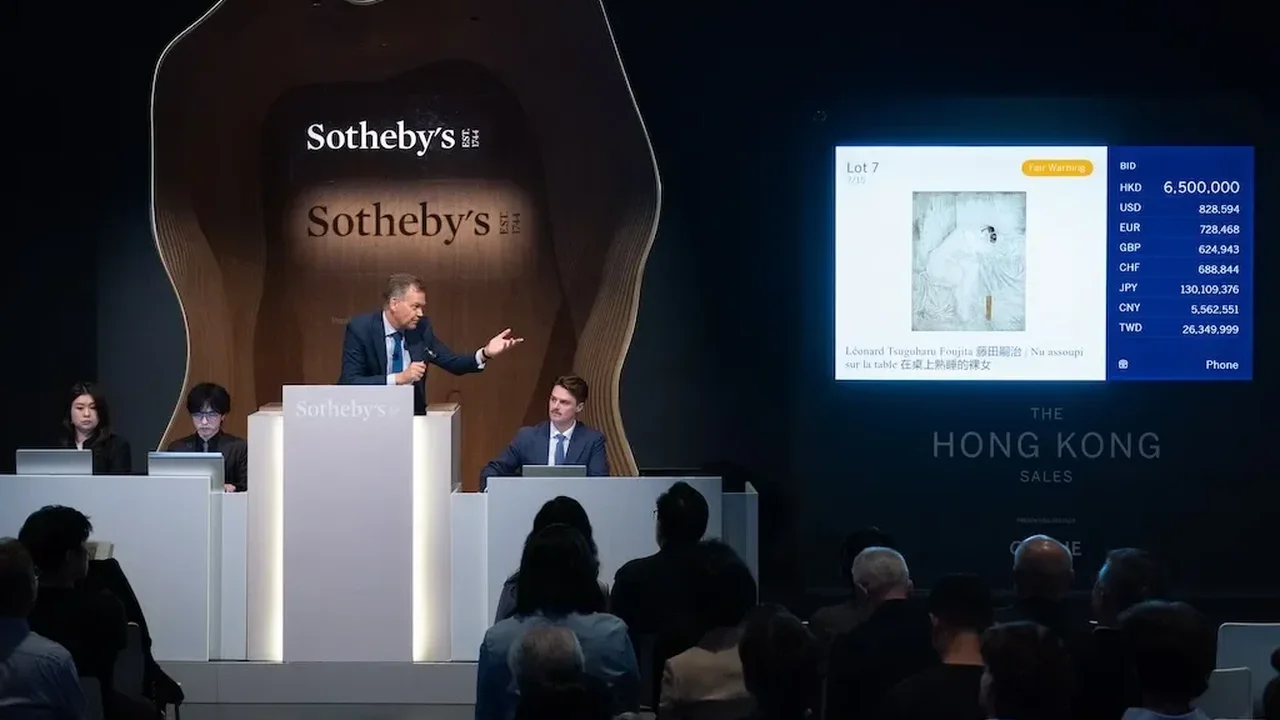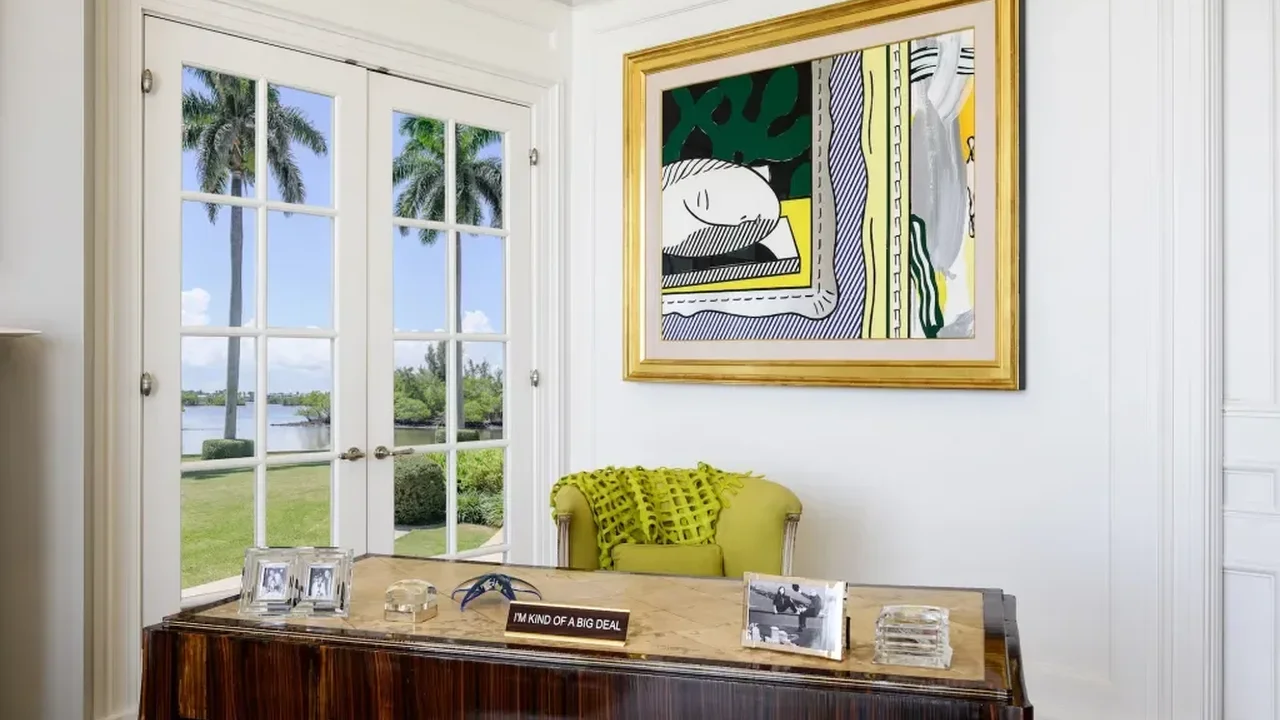
In a surprising shift in the luxury collectibles market, dinosaurs have emerged as the latest trophy items for the ultra-wealthy. Traditionally, high-value collectibles included masterpieces from renowned artists like Picasso and Rothko, or rare luxury watches. However, the spotlight is now on prehistoric giants.
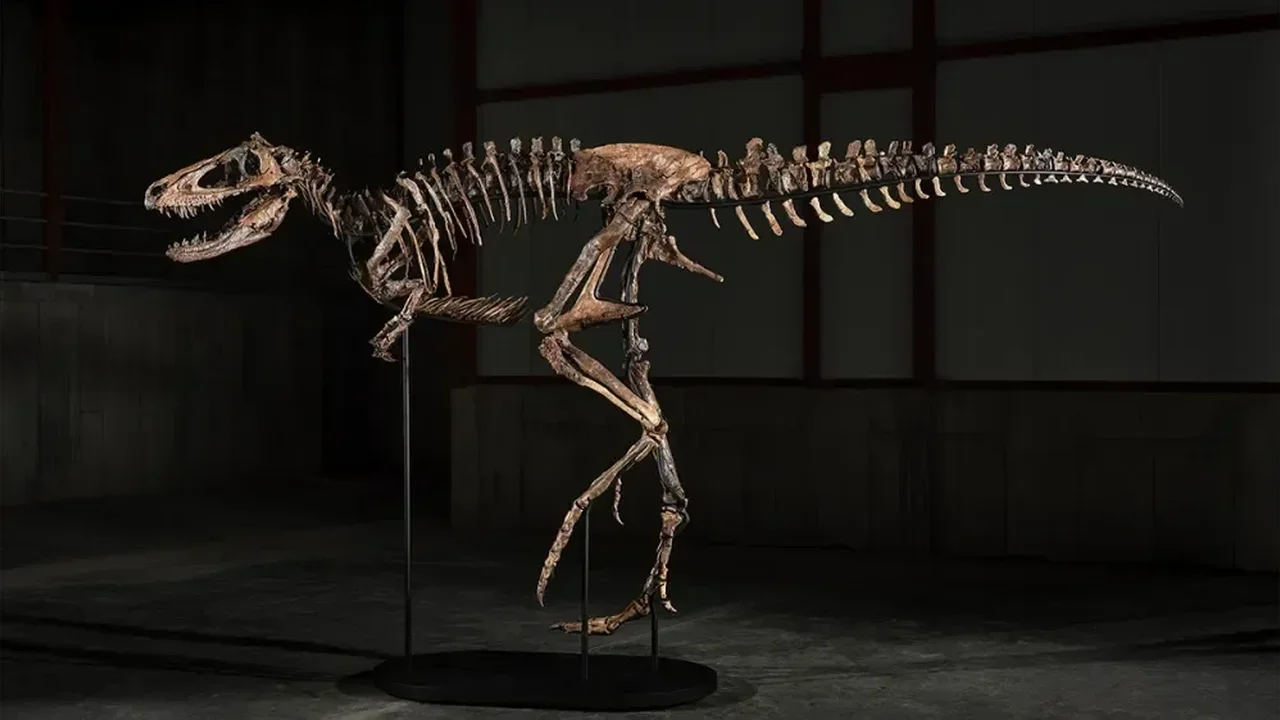
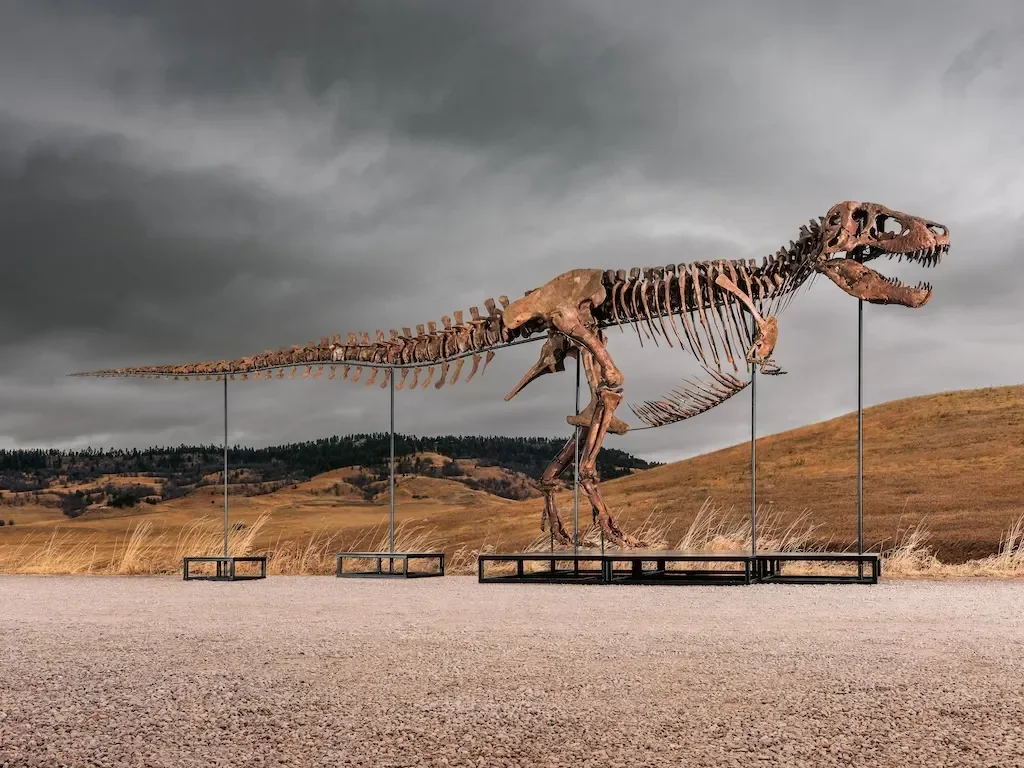
This summer, Sotheby's is set to auction "Gus," a remarkable Tyrannosaurus rex skeleton dating back 67 million years, with an estimated value between $20 million and $30 million. This auction marks the highest valuation ever placed on a dinosaur fossil. The specimen, excavated over several years in South Dakota, measures approximately 38 feet in length and stands over 12 feet tall, making it one of the most complete T. rex skeletons ever found.
While this may seem like a typical auction headline, "Gus" is part of a broader trend. Dinosaurs are transitioning from occasional curiosities to sought-after luxury items, appearing in prestigious auction houses, contemporary art galleries, and private collections. Recently, the Amanita gallery in New York launched an exhibition titled "Land Before Time: Three Dinosaurs and a Gondola," showcasing Maiasaura fossils alongside contemporary sculptures, blurring the lines between natural history and modern art.
As collectors seek unique and prestigious items, the dinosaur market has become increasingly competitive. Buyers are no longer interested in just any fossil; they desire the most impressive specimens, much like the luxury watch market. "They want the best dinosaur, not just any pedestrian example," explains Mari-Claudia Jiménez, a partner at Withers Art and Advisory.
For a dinosaur to command high prices, it must meet stringent scientific and aesthetic standards. Cassandra Hatton, Sotheby's vice chairman and global head of science and natural history, emphasizes that the quality of a fossil is paramount, with factors such as preservation, provenance, and preparation playing critical roles. "Gus" stands out as a single specimen, meticulously prepared and documented, contrasting with lesser-quality fossils that may be composites or poorly restored.
This growing fascination with dinosaurs is not just a fleeting trend. Younger collectors, influenced by a cultural renaissance surrounding dinosaurs in the 1980s and 90s, are entering the market. Their childhood interests are now colliding with newfound wealth, leading to a surge in demand for dinosaur artifacts.
As the market evolves, the distinction between scientific artifacts and luxury collectibles becomes increasingly blurred. Dinosaurs now occupy a unique cultural space alongside blue-chip art and rare collectibles, serving as both investments and conversation starters. In a world where spectacle and social status are paramount, owning a dinosaur is not merely about possession; it's about creating an immersive experience that captivates and inspires.
Looking ahead, as the fascination with dinosaurs continues to grow among collectors, we may witness a lasting impact on the intersection of art, science, and luxury, redefining how we perceive and value our connections to the past.