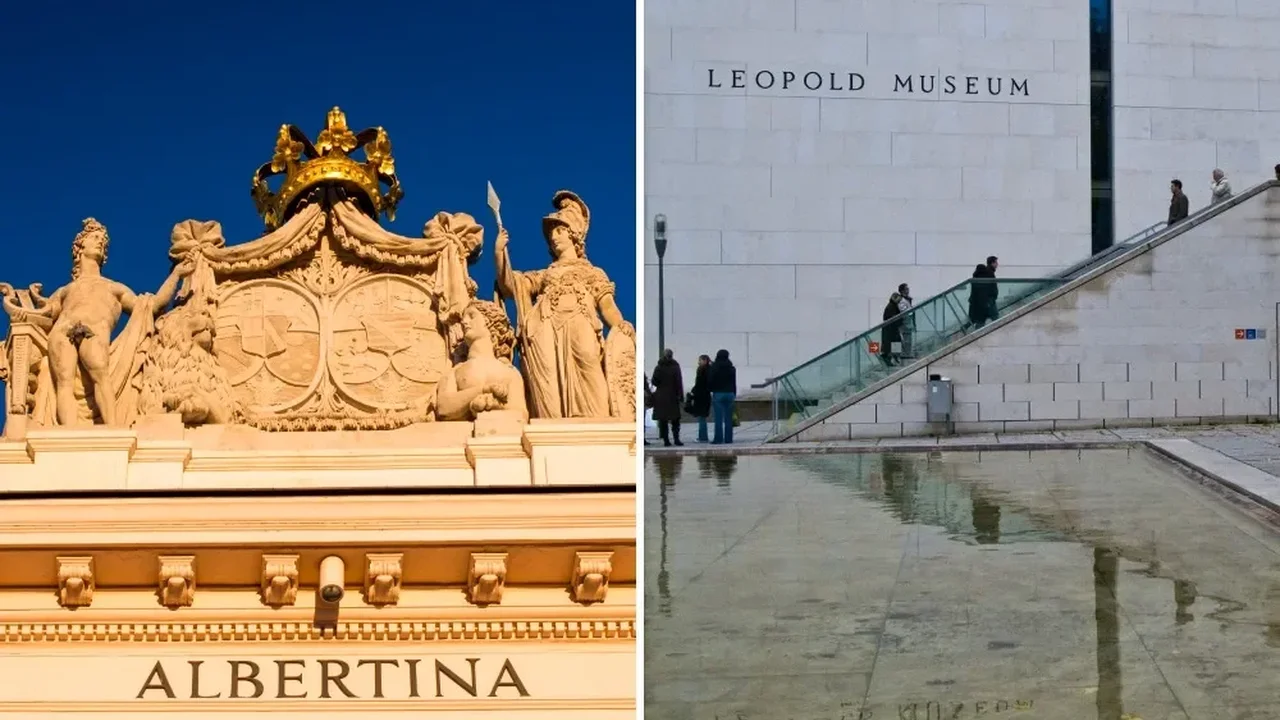
The Republic of Austria, the Albertina Museum and the Leopold Museum Foundation have reiterated their argument that amendments to the Holocaust Expropriated Art Recovery (HEAR) Act are unconstitutional. Their latest court filing responds to briefs from the US Department of Justice and Senators Richard Blumenthal and John Cornyn, which supported the law's constitutionality.
The dispute is part of a case brought by Timothy Reif, a descendant of Jewish cabaret performer and art collector Fritz Grünbaum. Reif is seeking the return of works by Egon Schiele that he says were taken from Grünbaum's collection during the Nazi era. The defendants dispute that account, arguing the works were exported from Austria by Grünbaum's sister-in-law and later sold to a Swiss dealer.
Constitutional questions at the center
The defendants contend that the 2025 amendments, which extended the HEAR Act indefinitely, overstep federal authority and interfere with courts' ability to decide cases. They argue that the law relies on state law for restitution claims while limiting certain legal defenses, including laches--a defense based on unreasonable delay in bringing a claim.
According to the filing, restricting that defense could prevent courts from weighing whether delays affected evidence or unfairly disadvantaged current owners. The defendants say this raises concerns under both the Tenth Amendment and Article III of the US Constitution. The government and the senators had offered legal precedents in support of the act, which the museums and Austria addressed in their response.
The defendants' lawyer has said the case could potentially be decided without a ruling on the act's constitutionality. If the courts do reach that question, the dispute could have implications for how future art restitution claims are handled. Its outcome may help define the balance between access to legal remedies and the role of courts in evaluating historical ownership claims.