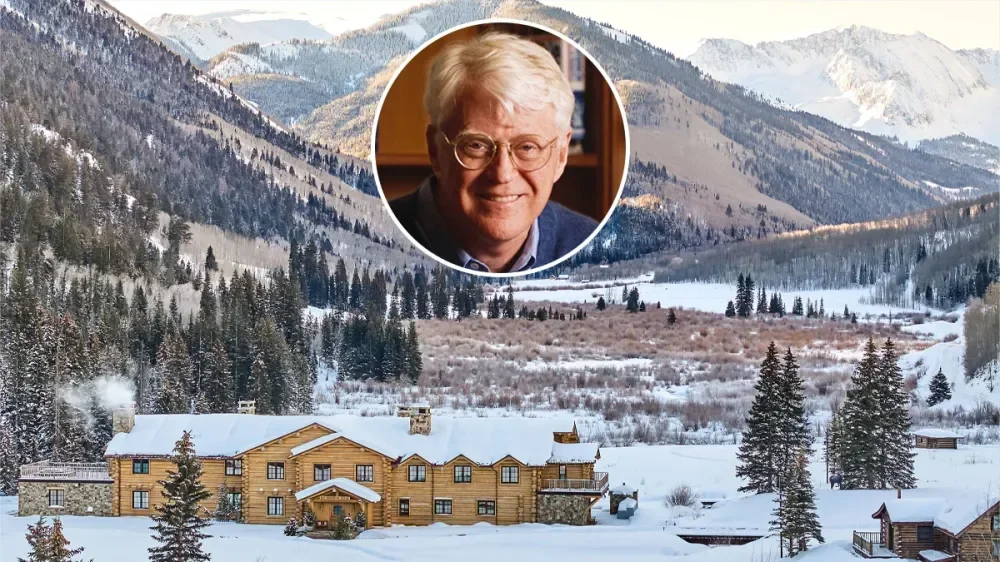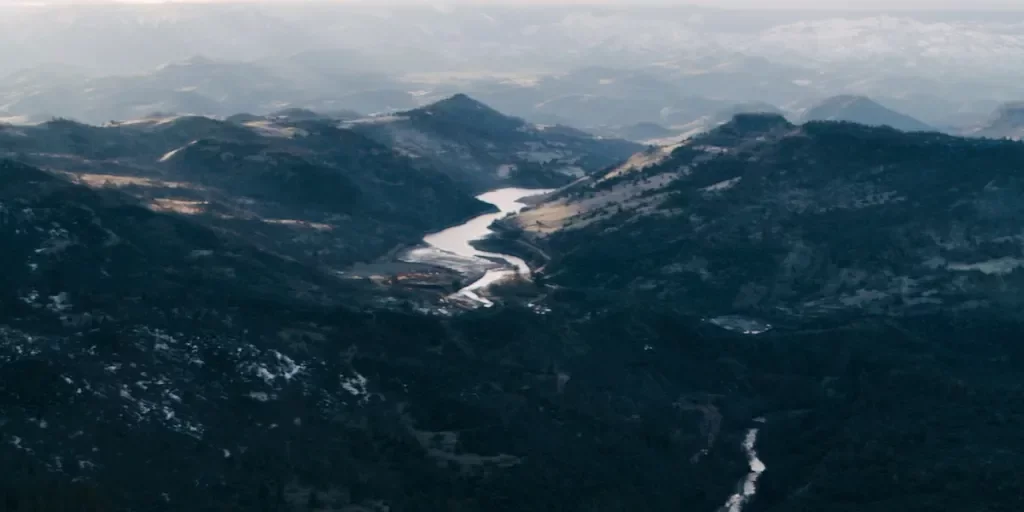
Aspen Art Museum's second AIR Festival transformed the Colorado mountain town into an open-air platform for performance, film, music and conversation. Held across striking alpine settings, the program explored how place can shape artistic experience.
The festival opened with Matthew Barney's sculptural work ZONE DEFENSE: Old Snowmass Parallax, a quiet installation that reimagined familiar sports imagery through layered materials and precise visual illusion. The piece set the tone for a week focused on experimentation and atmosphere.
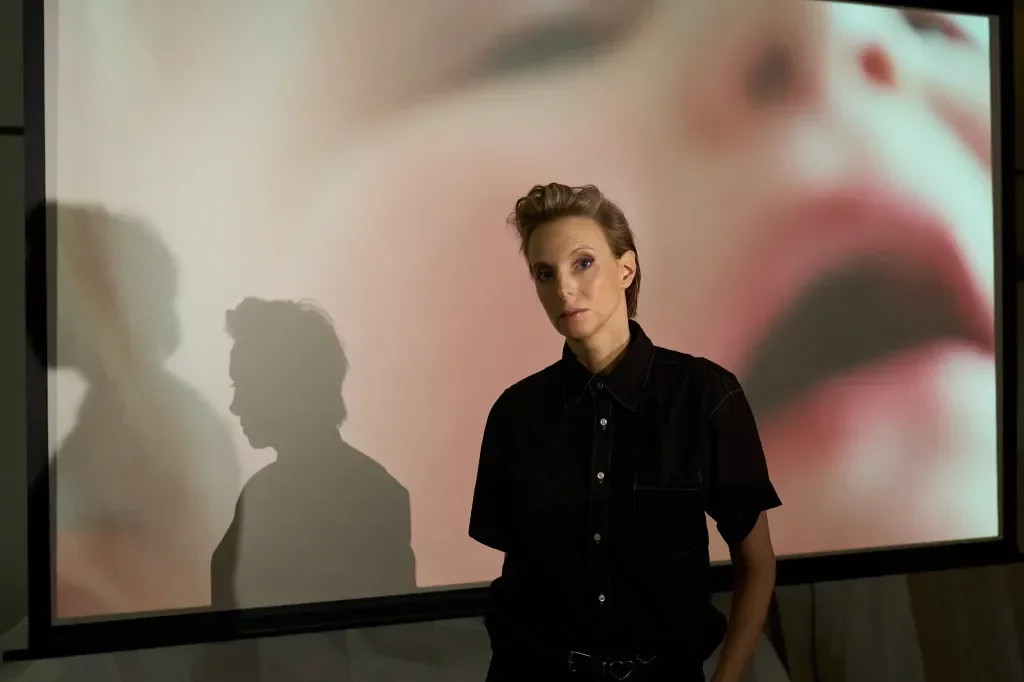
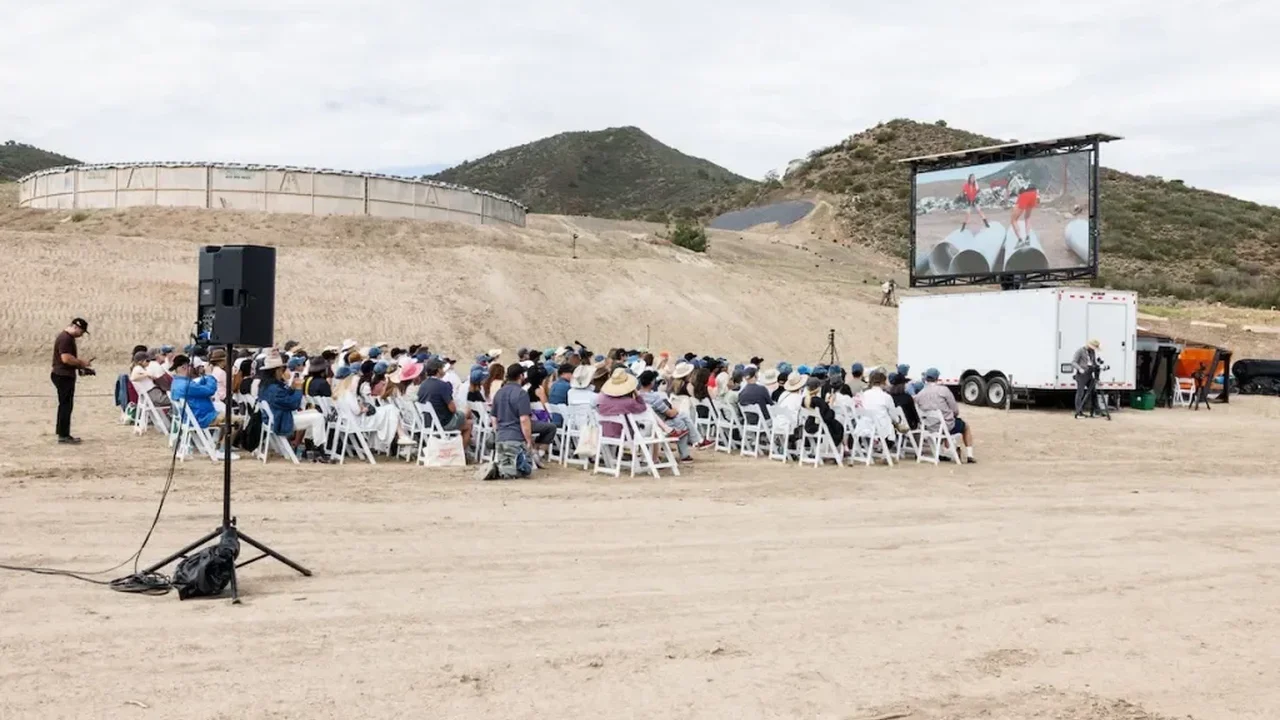
Music also played a central role. Los Thuthanaka performed high on Aspen Mountain, drawing on Andean influences in a set that matched the altitude with a vivid, immersive sound. Later, Lucy Raven's Murderers Bar paired moving images with a live score, turning a film screening into a cinematic landscape experience.
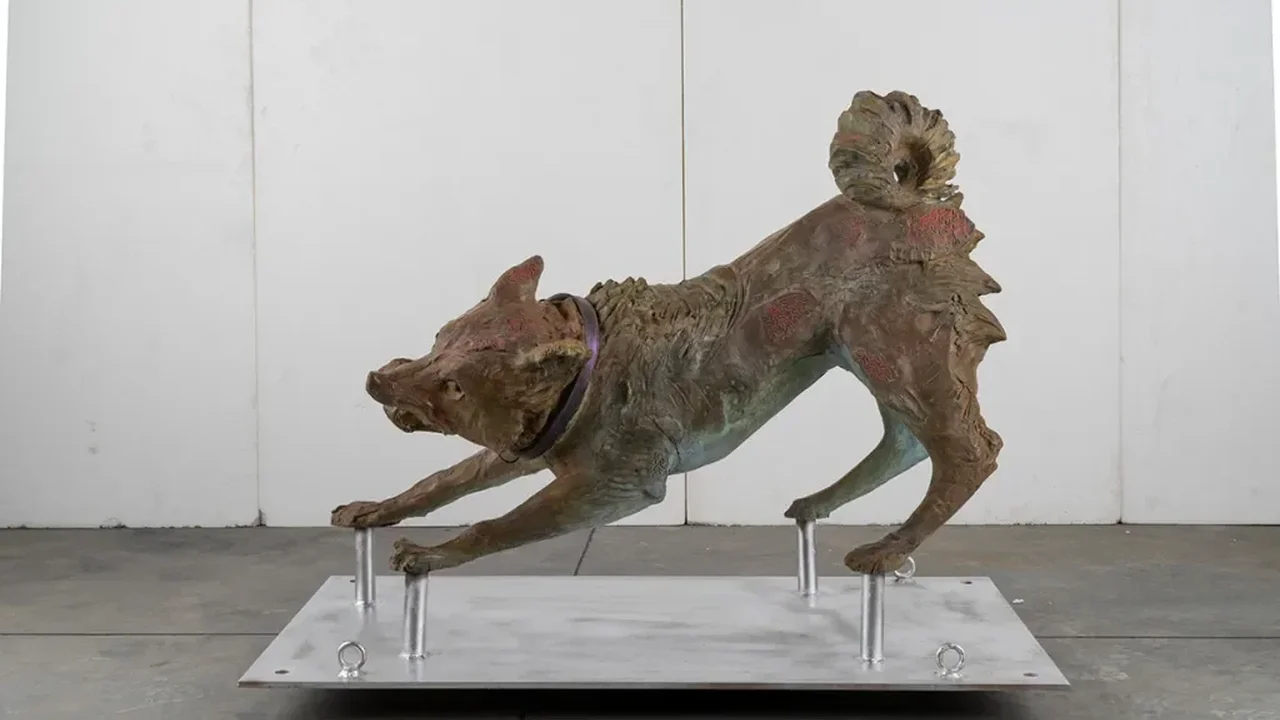
At the Aspen Art Museum, Adrián Villar Rojas presented First Gods, Lost Animals, a large-scale installation that connected ancient forms with digital textures. Nearby, Ivan Cheng's live performance mixed monologue, movement and camera work, while Morgan Bassichis used humor and storytelling to reflect on memory, art and presence.
The festival also moved into music and sound with Kali Malone, who performed on a restored pipe organ at Aspen Chapel, creating a slow, resonant atmosphere. In the final stretch, Camille Henrot's Commedia dell'arte brought theater, satire and musical playfulness to the Wheeler Opera House, closing the event with a lively blend of wit and performance.
By turning Aspen into a site for ambitious artistic exchange, AIR showed how festivals can expand beyond exhibition into a fully lived cultural environment. Its growing format suggests a future where art is experienced less as a fixed object and more as a shared, place-based encounter.