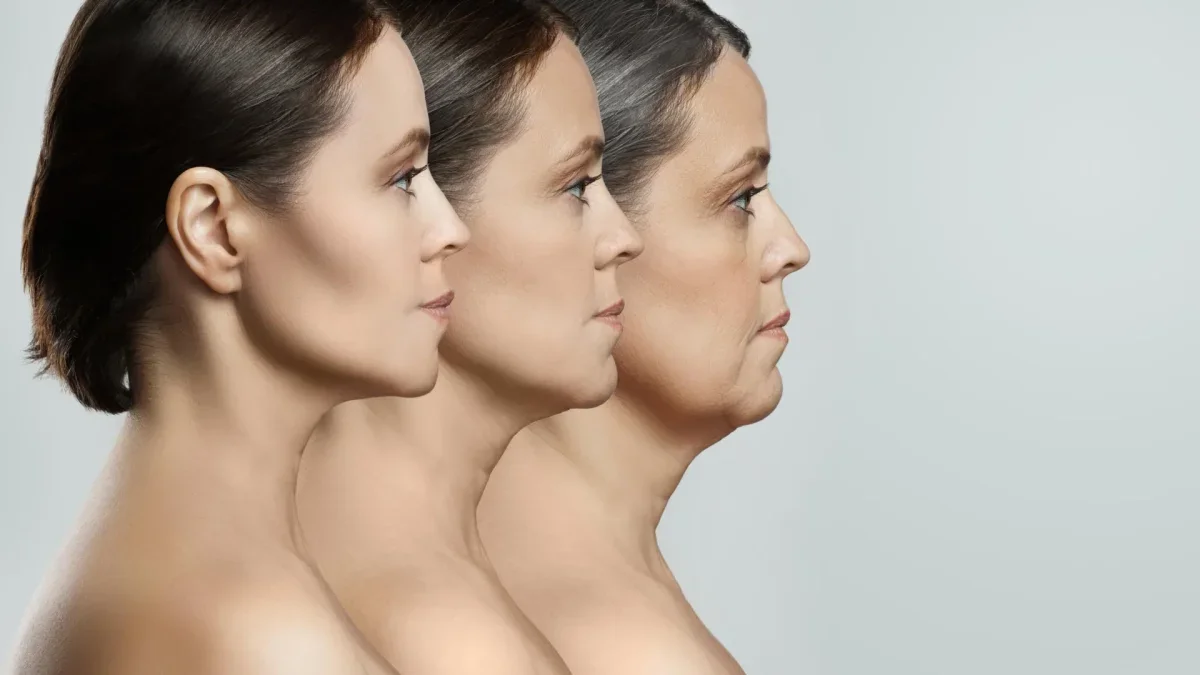
A recent study published in the journal Innovation in Aging suggests that engaging with art may play a significant role in slowing down the aging process. This groundbreaking research, led by psychobiologist Daisy Fancourt and a team from University College London, presents compelling evidence that participation in cultural activities can have anti-aging effects.
Supported by UK Research and Innovation and the University of Florida's EpiArts Lab, this study is part of a collaborative effort to explore the intersection of arts and health. Fancourt noted, "These findings add to the growing body of evidence that arts engagement, along with exercise, diet, sleep, and nature, is a crucial component of overall health."
The research analyzed the cultural activities of 3,556 adults across the UK, examining their relationship with seven "epigenetic clocks," which are biological markers found in blood samples taken from participants between 2010 and 2012. The study revealed that both physical activity and engagement with the arts contributed positively to biological aging markers.
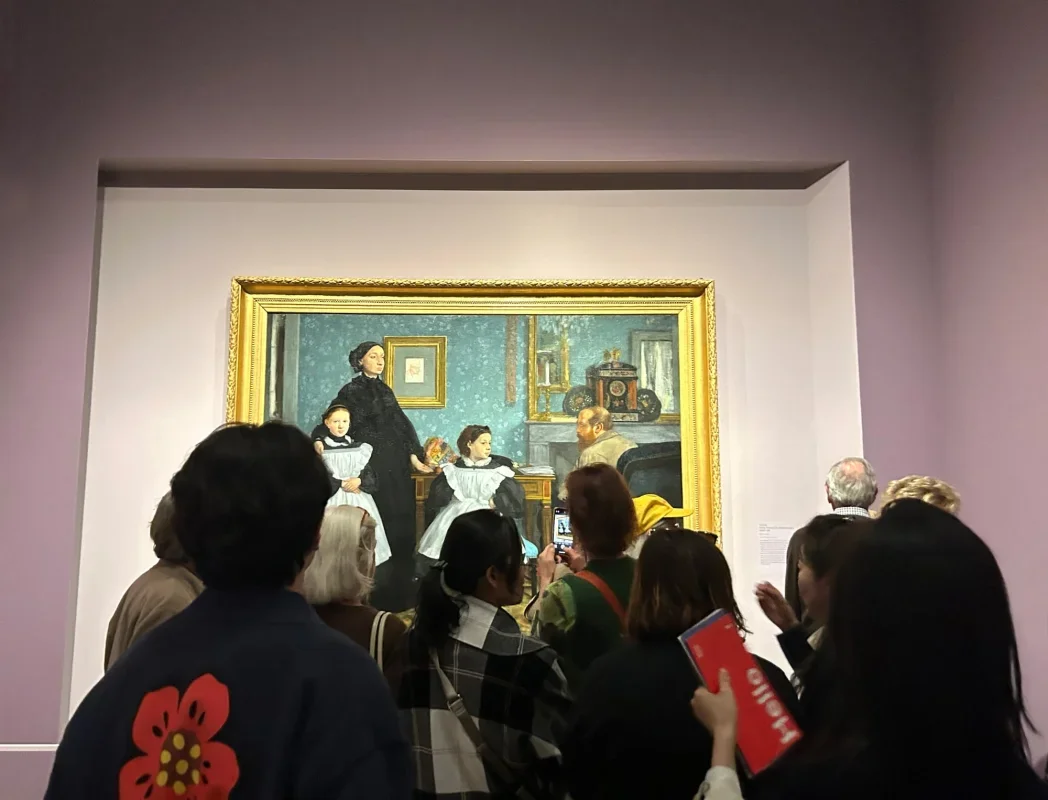
Participants who took part in cultural activities at least once a month were found to be 1.02 biological years younger than those who engaged less frequently. Furthermore, the study indicated that both creating and observing art are linked to slower aging in biological markers associated with disease and mortality.
Fancourt elaborated on the implications of these findings, comparing DNA to a recipe book where lifestyle choices determine which "recipes" are activated. She expressed optimism that as the global population ages, these insights could inform interventions aimed at enhancing individuals' "healthspan," the period spent free from disease while maintaining physical fitness and functionality.
This research builds on existing evidence indicating that art engagement can positively influence human physiology, including reducing stress levels and alleviating symptoms of depression. As we continue to explore the benefits of art on health, it becomes increasingly clear that creativity and culture are vital to our well-being.