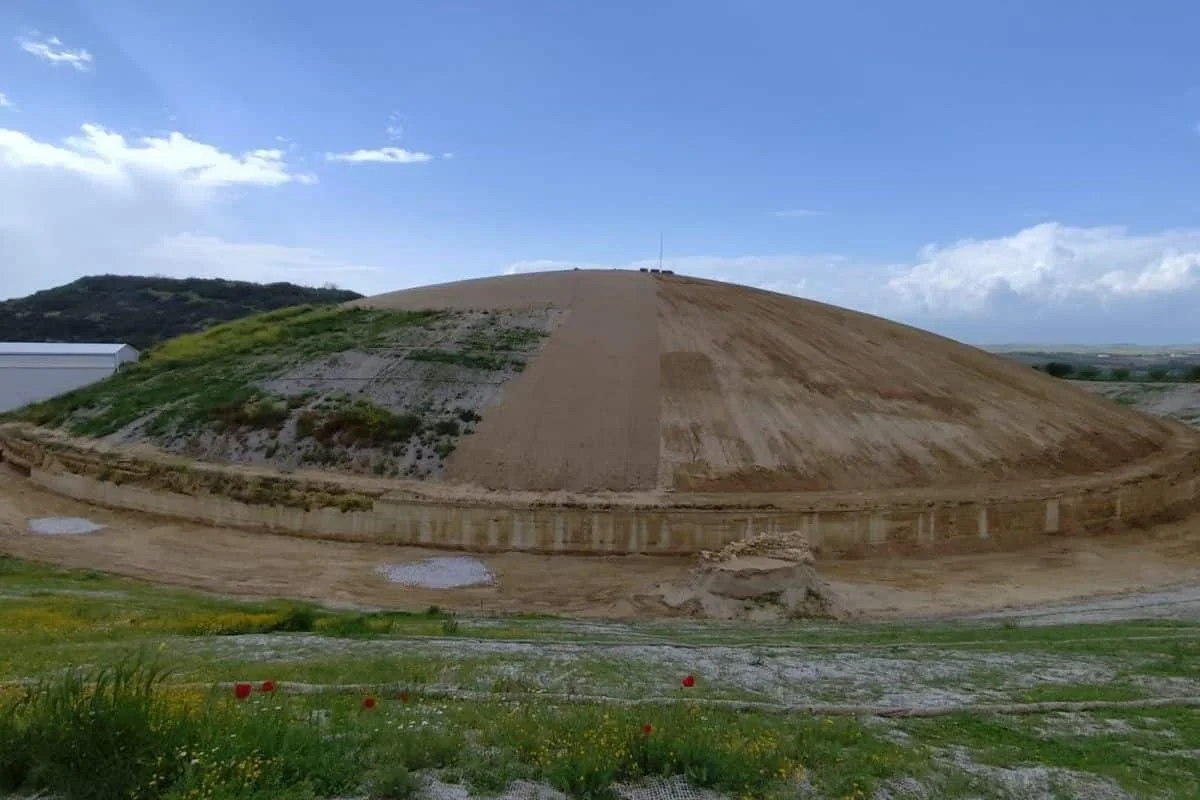
The Kasta Tomb, a monumental burial site located near Amphipolis in northern Greece, has recently revealed its grandeur through extensive excavation and restoration efforts. This impressive structure, dating back to the final decades of the fourth century B.C., stands as a testament to the era following the death of Alexander the Great in 323 B.C., a time marked by political turmoil and power struggles.
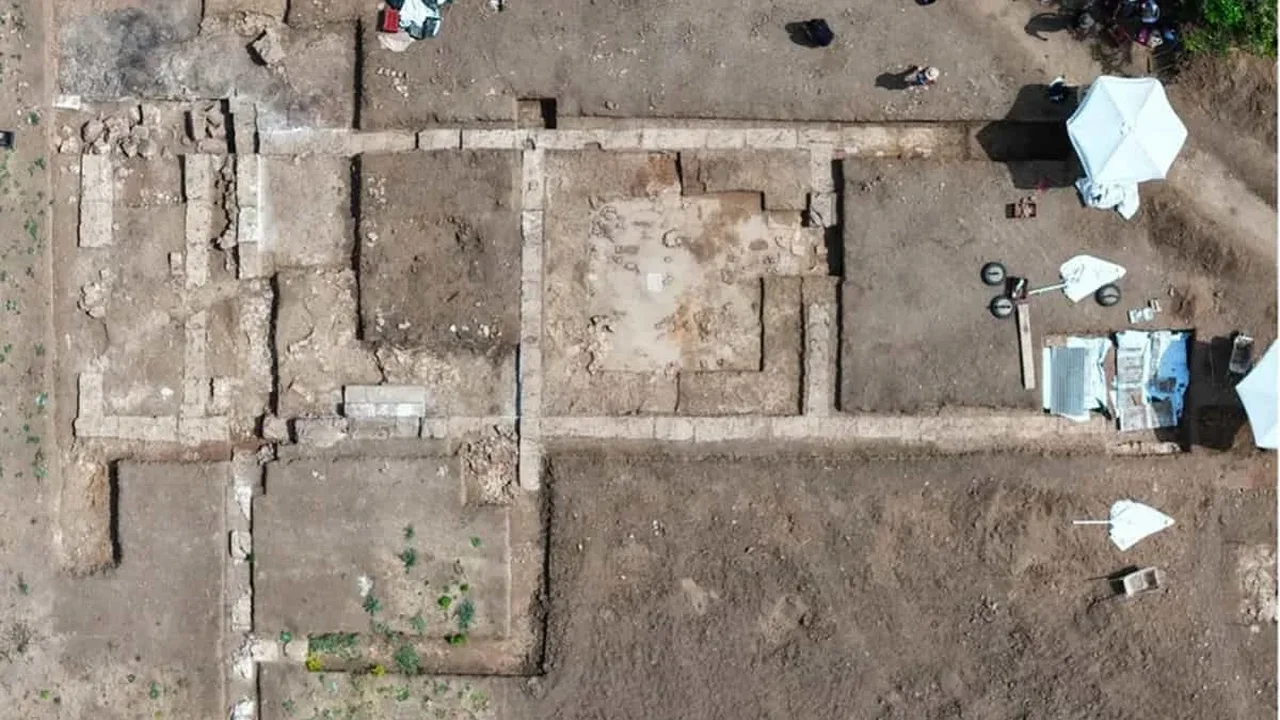
Initially concealed beneath layers of earth, the tomb's full marble enclosure has now been uncovered, measuring approximately 497 meters in circumference and exceeding 140 meters in diameter. This makes it the largest burial mound discovered in Macedonia to date, according to Greek Culture Minister Lina Mendoni. The restoration project has allowed archaeologists to reconstruct parts of the ancient architecture, revealing intricate details that speak to its historical significance.
What sets the Kasta Tomb apart is its potential function as an astronomical calendar. Recent analyses suggest that the tomb may have been designed to align with celestial events, illuminating key areas within the structure during specific times of the year. This innovative approach to funerary architecture highlights the cultural sophistication of the Macedonian elite.
A Monument of Power and Legacy
Amphipolis was not merely a provincial city; it was a significant hub during Alexander's reign, associated with influential figures such as Nearchus and Hephaestion. The identity of the individual interred within the Kasta Tomb remains a mystery, with theories ranging from members of Alexander's family to his closest companions. Regardless of who was honored, the scale and artistry of the tomb convey a powerful message about status and legacy.
Archaeological efforts have included the removal of modern supports and the restoration of original features, such as the magnificent marble door that once sealed the burial chamber. The tomb's entrance is flanked by sphinx sculptures, which further emphasize its monumental nature. As the restoration continues, plans for visitor facilities and a museum area are underway, aiming to open the site to the public by early 2028.
The Kasta Tomb is more than just a burial site; it represents the intersection of art, science, and cultural identity in ancient Macedonia. As researchers continue to explore its depths, the tomb stands as a symbol of the enduring legacy of Alexander the Great and the rich history of the region.
Looking ahead, the Kasta Tomb not only enriches our understanding of ancient Macedonian culture but also inspires future archaeological endeavors, highlighting the importance of preserving our shared heritage.