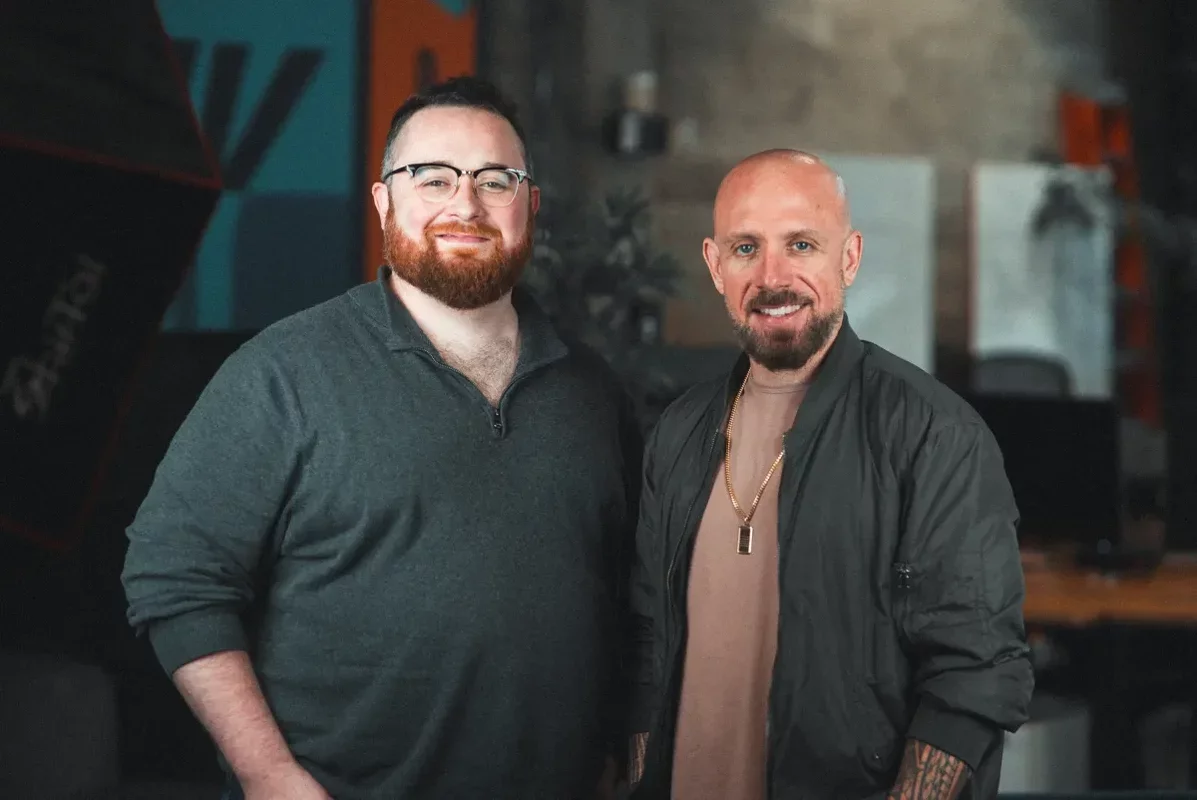
Arcee, the U.S.-based open AI lab, is adding a fresh perspective to the debate around Chinese open-weight models. According to the company's CTO, Lucas Atkins, these systems should be viewed through the same lens as other open-source software rather than as a category that is automatically dangerous.
As models from labs such as Moonshot AI and Alibaba gain traction for their strong performance and lower inference costs, the discussion has shifted from capability to trust, security, and enterprise adoption. Atkins argues that organizations running these models in their own environments can inspect, test, and adapt them just as they do with other software tools.
He notes that open-weight models are typically downloaded, reviewed, and then post-trained for specific business needs. That process allows teams to evaluate issues such as bias, hallucinations, and topic sensitivity before deployment. In his view, the real question is not whether the models are Chinese, but whether companies have the right security and governance workflows in place.
Atkins also says the idea of a model secretly embedding harmful behavior is technically possible in theory, but far from simple in practice. Because large language models are used creatively and across varied contexts, he believes the risk of predictable misuse is limited. He adds that many enterprises are already designing AI systems to work with multiple models, reducing dependence on any single provider.
For Arcee, the rise of strong open models is not only a challenge but also a source of learning. Atkins says open ecosystems help researchers and startups study progress, build on existing ideas, and contribute improvements of their own. His broader message is that the best response to global competition is innovation, not restriction.
As open AI continues to mature, the race may increasingly center on transparency, performance, and trust--shaping a more collaborative and resilient future for enterprise intelligence.