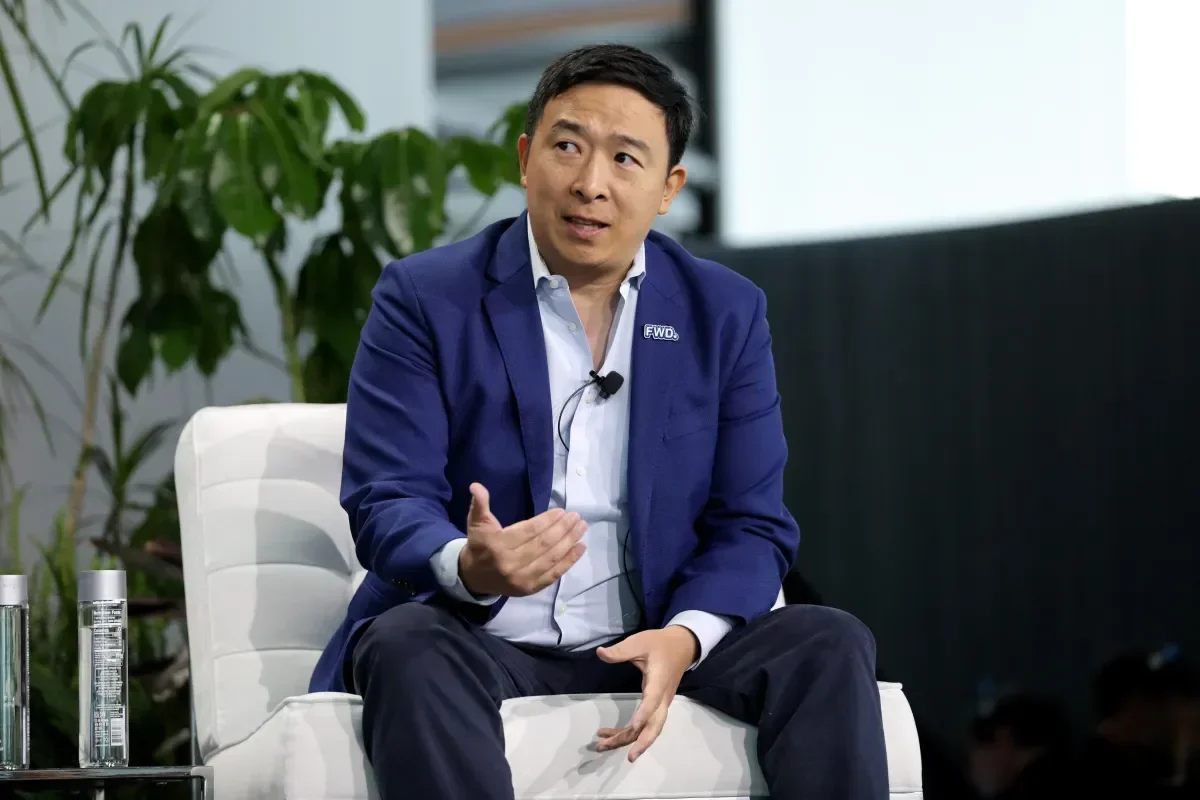
Entrepreneur and former presidential candidate Andrew Yang has identified a promising area for future startups: the concept of returning value to consumers rather than extracting it. This innovative approach challenges conventional business models and aims to lower the cost of living.
Inspired by Mark Cuban's Cost Plus Drugs, which sells pharmaceuticals at cost, Yang has outlined several sectors ripe for disruption, including housing, education, food, fuel, transportation, media, and wireless services. He emphasized these are essential expenditures for everyone.
In September, Yang launched Noble Mobile, a mobile virtual network operator that provides affordable cell service and offers customers refunds for unused data. This venture exemplifies his vision of a business model that prioritizes customer benefit.
As artificial intelligence continues to reshape the job market, Yang perceives a unique opportunity in reducing living expenses. He cites companies like Cost Plus Drugs, Noble Mobile, and online grocery service Misfits Market as pioneers in this emerging category, where the focus is on returning savings to consumers.
Yang's insights stem from his 2020 presidential campaign, where he advocated for Universal Basic Income (UBI) to address the economic challenges posed by AI. While UBI remains a priority for him, he is exploring alternative methods for redistributing wealth generated by technology.
He believes that market-driven solutions can fill the gaps left by policy inadequacies. Since its inception, Noble Mobile has attracted thousands of customers and generated significant revenue, demonstrating the viability of this model.
Yang noted that the average savings of $50 a month, when invested over 40 years, could accumulate to $24,000--an attractive prospect for many considering their financial future.
Despite potential investor skepticism, particularly in a climate favoring AI-centric businesses, Yang remains optimistic. He argues that even the most successful companies need a robust consumer base to thrive.
Yang encourages entrepreneurs to pursue their passions and innovate solutions that address real-world problems. He urges them to think beyond conventional wisdom and explore the vast opportunities available in improving everyday life.
As the landscape of consumer needs evolves, the focus on reducing living costs could redefine the startup ecosystem, fostering a future where businesses prioritize customer welfare alongside profitability.