Recent advancements in hematology and immunology have significantly enhanced our understanding of blood cells in humans and mice. However, the origins and evolutionary journey of these cells have remained less clear. To address these questions, a team from Kyoto University embarked on a groundbreaking study to trace the evolution of blood cells across the animal kingdom.
Tracing Blood Back 700 Million Years
The researchers developed a novel analytical technique that analyzed gene expression patterns across various cell types and animal species. This innovative method enabled them to construct evolutionary family trees for blood cell lineages and estimate their development throughout animal evolution.
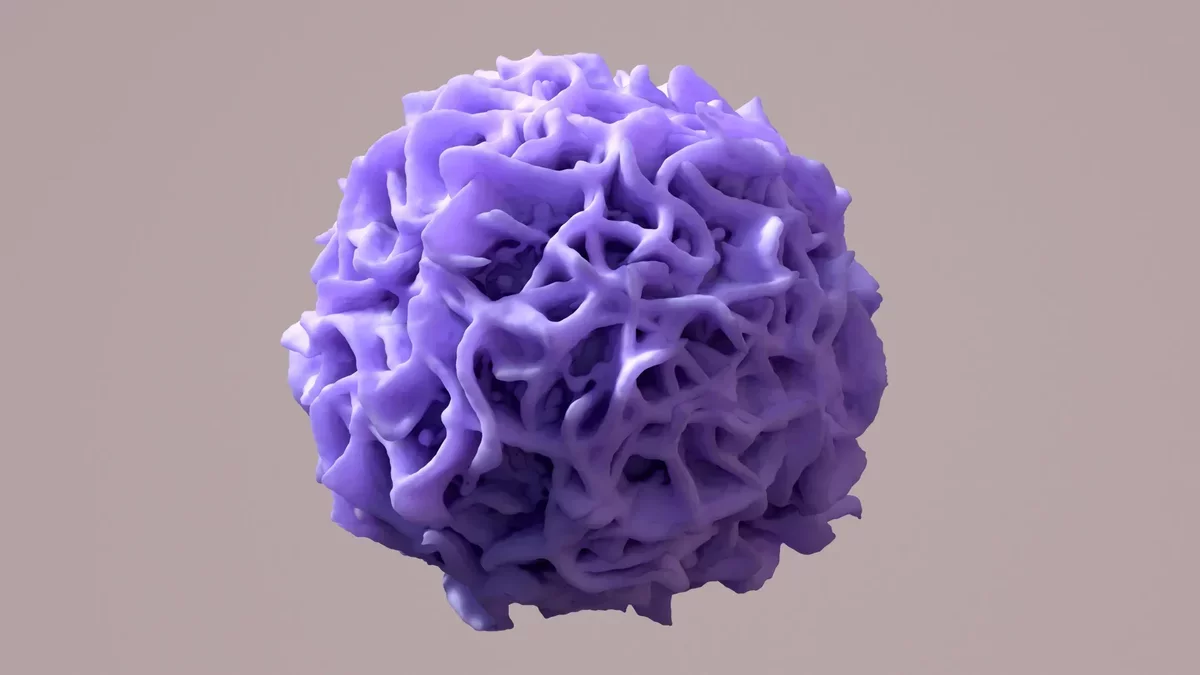
By comparing blood cells with unicellular organisms, the team sought to uncover potential single-celled ancestors. Among the blood cell lineages studied, macrophages exhibited the most notable similarities to unicellular organisms. This discovery suggests that the earliest blood cells may have closely resembled macrophages, which are immune cells responsible for engulfing harmful microbes and cellular debris.
The investigation also traced the gene FOS, prevalent in blood cells across numerous animal species, back to a unicellular ancestor that existed approximately 700 million years ago. According to the researchers, this indicates that the first blood cells likely emerged concurrently with the appearance of multicellular animals on Earth.
How Modern Blood Cells Evolved
The findings indicate that early animals developed the first blood cells by repurposing genetic material inherited from ancient single-celled ancestors. The analysis revealed how various blood cell types branched off over time. For instance, mast cells appear to have evolved from macrophages, while early T cells and red blood cells emerged from mast cells. Additionally, prototypic B cells branched directly from macrophages after the separation of mast cells.
By reconstructing this evolutionary history, the scientists mapped a 700-million-year family tree of blood cells, suggesting that modern blood and immune cells still reflect this ancient lineage.
A Living Link to Earth's Earliest Life
This study emphasizes that contemporary blood and immune cells may represent an extension of biological systems first established by single-celled ancestors hundreds of millions of years ago.
"These findings deeply resonate with me, showcasing how vertebrate blood cell differentiation pathways mirror a 700-million-year evolutionary history," remarked team leader Hiroshi Kawamoto. "Realizing that this legacy circulates within my body as blood cells brings me closer to our distant ancestors," added first author Yosuke Nagahata from the Institute of Evolutionary Biology in Spain.
The team believes that the analytical methods developed in this study could also facilitate investigations into the evolutionary origins of diseases such as cancer, potentially leading to a deeper understanding of disease mechanisms and the development of new treatments.
The research paper, titled "Animals have expanded the evolutionary legacy of unicellular ancestors in blood cells," is set to be published in the Proceedings of the National Academy of Sciences of the United States of America on May 29, 2026.