The decline of the Western Roman Empire, often depicted as a swift and catastrophic event, is being reinterpreted through groundbreaking genetic research. Contrary to the traditional narrative of a sudden invasion by barbarian tribes in 476 AD, recent findings from ancient DNA analysis reveal a more nuanced picture of gradual integration and intermarriage among local populations and newcomers.
Research conducted on 258 ancient genomes from cemeteries along Rome's northern frontier in southern Germany indicates that the collapse of imperial authority did not lead to a massive replacement of populations. Instead, it facilitated a slow blending of genetic lineages, resulting in a diverse genetic landscape across Europe. This genetic melting pot was not the result of a rapid conquest, but rather a gradual process of neighbors becoming family.
A Fluid Frontier
The Roman frontier, known as the limes, was more than just a barrier; it was a vibrant zone of commerce and cultural exchange. Cities like Mainz and Regensburg served as hubs where soldiers and civilians from various backgrounds lived side by side. This coexistence laid the groundwork for the genetic intermingling that would follow the empire's decline.
Professor Joachim Burger from Johannes Gutenberg University Mainz, a key figure in the study, notes that before the empire's fall, distinct social groups inhabited the territory. The genetic evidence suggests that many people of northern ancestry were already integrated into Roman society long before the famed fall, thus challenging the notion of a singular barbarian invasion.
Insights from the Graves
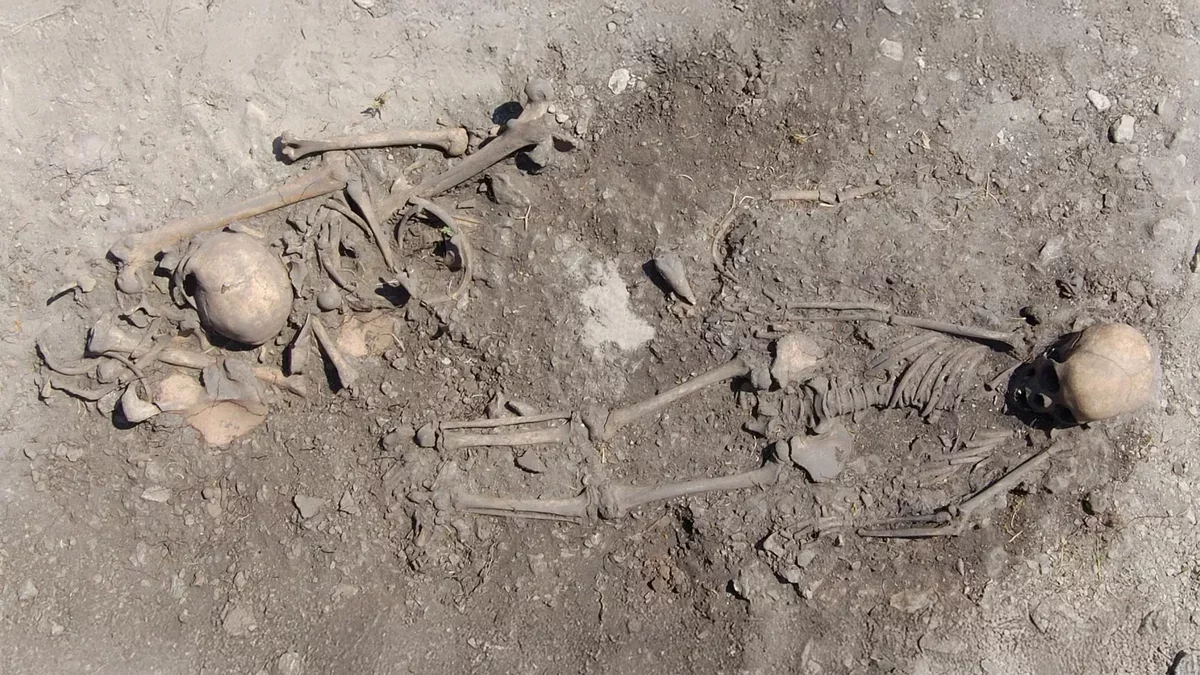
The research focused on row-grave cemeteries that emerged around 450 AD, where individuals were buried with personal belongings, indicating a sense of community and kinship. The analysis revealed that people with various genetic backgrounds were buried together, suggesting a shared culture that transcended ancestry.
Key findings show that around 470 AD, a significant demographic shift occurred. Populations began to mix more freely, with newcomers of Roman provincial descent intermingling with local farmers of northern ancestry. This integration was driven by the loosening of the rigid structures that had previously kept these groups apart.
A New European Identity
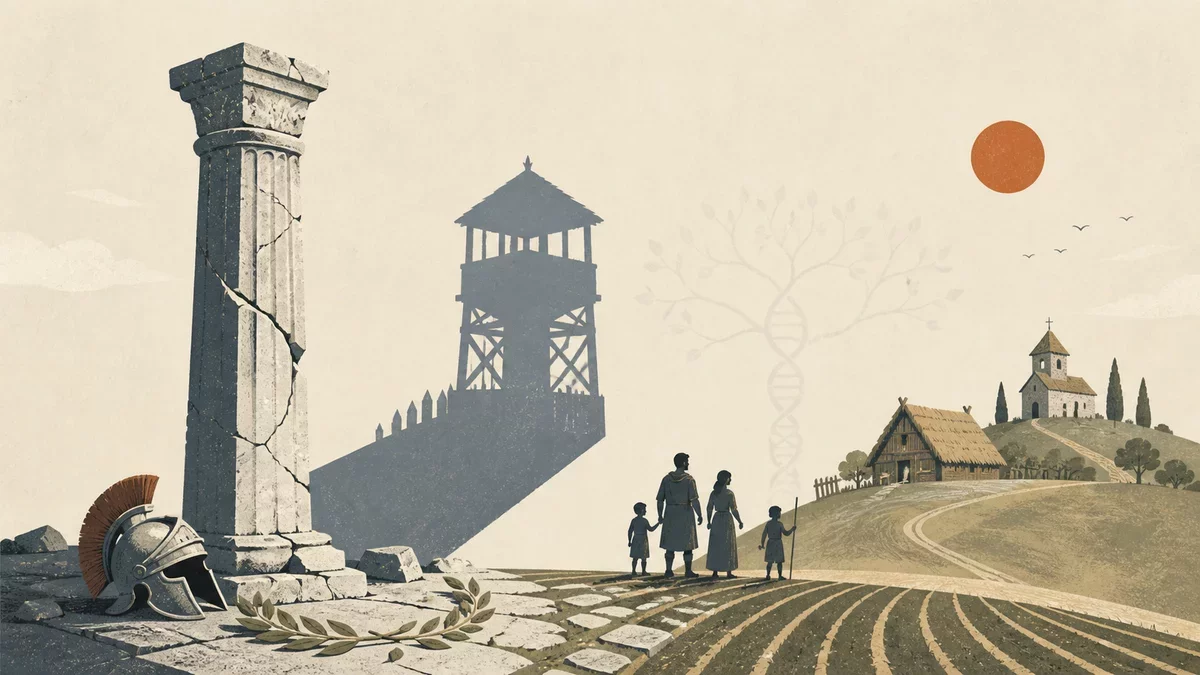
By the early seventh century, the genetic makeup of these communities began to resemble that of modern central Europeans. The transformation, taking approximately 150 years, highlights how the remnants of Roman customs and family structures endured despite the empire's collapse. The study underscores the importance of kinship and community in shaping the early medieval society.
As we look to the future, this research not only enriches our understanding of European history but also emphasizes the complexity of cultural and genetic identities. It illustrates how human connections and adaptability have always played a crucial role in the evolution of societies.