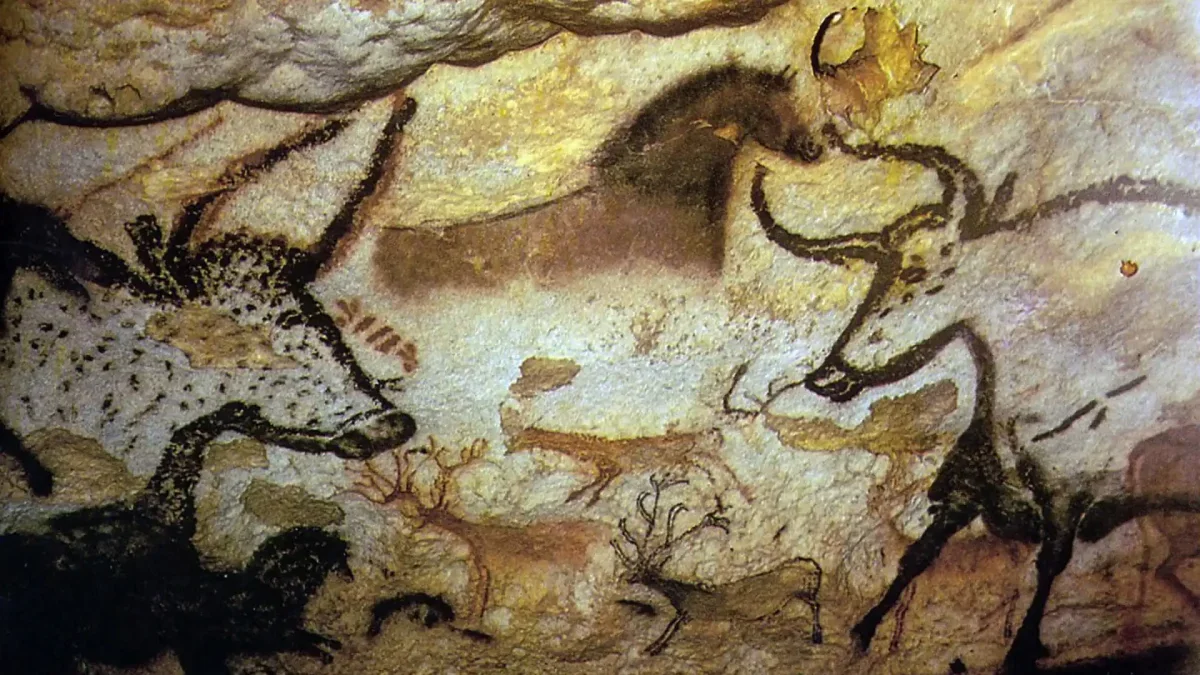
Researchers studying caves in Spain and Portugal have found something remarkable: ancient human DNA preserved directly on cave walls. The discovery could open a new path for understanding the people who used some of the world's earliest art sites.
For decades, archaeologists have been able to study what prehistoric artists painted and roughly when they worked. Pigment analysis reveals materials such as red ochre and charcoal, while advanced dating methods continue to push cave art timelines further back. But the identity of the makers has remained elusive.
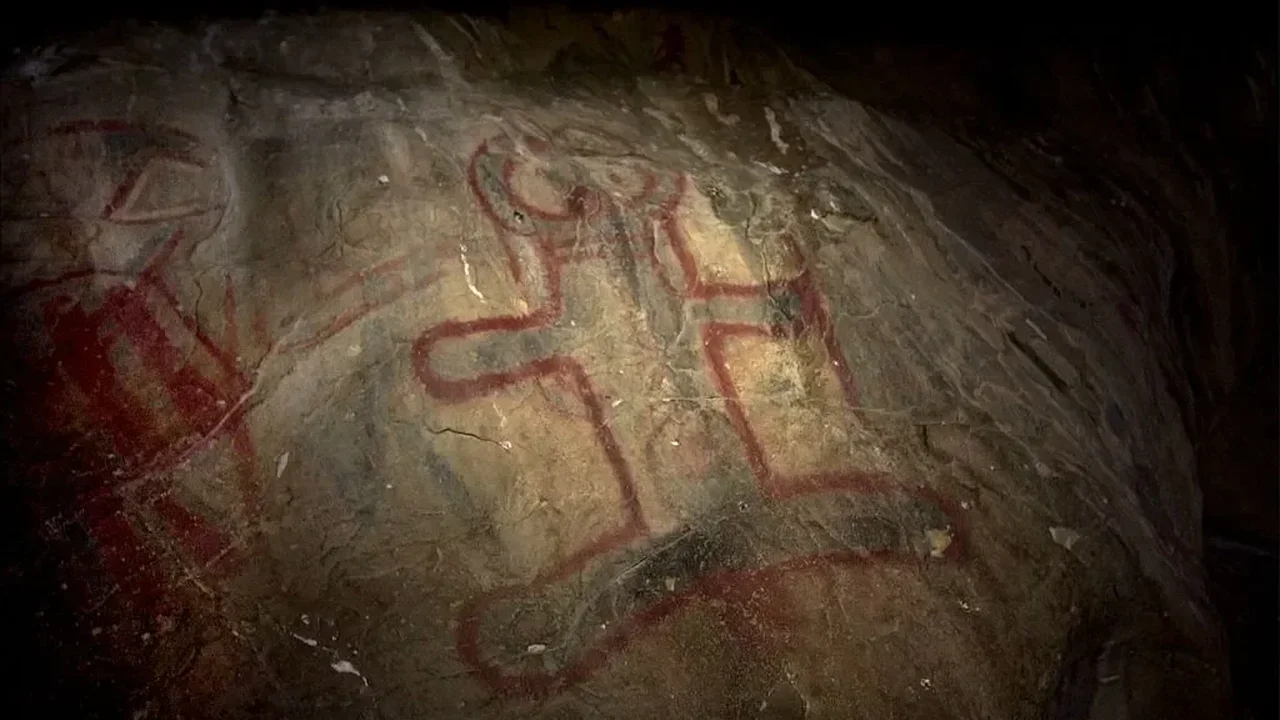
The new research, carried out at 11 cave sites, sampled both painted and unpainted surfaces. In several cases, the team recovered genetic traces embedded in the rock. One of the clearest results came from Covarón Cave in northern Spain, where DNA linked to ancient western hunter-gatherers was identified. At Escoural Cave in Portugal, a painted surface also preserved genetic material, offering a strong proof of concept.
The findings do not reveal the exact artist behind a bison, hand stencil, or wall figure. DNA can be transferred by breath, water, or later visitors, so the presence of genetic material does not automatically prove who created the artwork. Even so, the study suggests cave walls may preserve more than images: they may also retain traces of the communities that gathered there.
That possibility is especially intriguing for sites such as Maltravieso Cave in Spain, where some hand stencils may date to a period before modern humans arrived in Europe. If future research can align wall DNA with the age of the art, scientists may gain a new way to explore one of archaeology's most debated questions.
The study marks an important step toward reconstructing the provenance of prehistoric art through science. It may help researchers read cave walls not only as canvases, but as archives of human presence, shaping a more connected future for archaeology and art history.