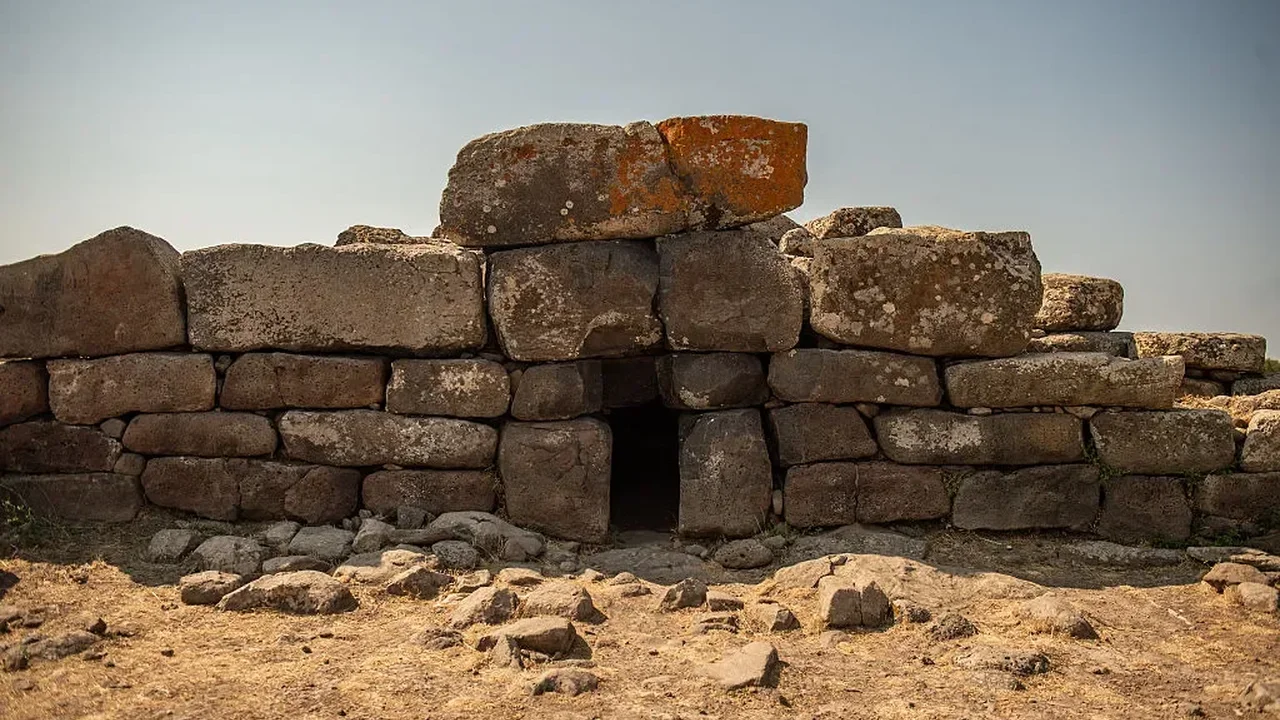
Archaeologists in central Sardinia have uncovered a new Bronze Age funerary monument, adding another chapter to the island's rich prehistoric heritage. The structure was found at Carrarzu Iddia, near Macomer, where teams were already carrying out fieldwork.
The tomb belongs to the island's well-known "Giants' Tombs," large collective burial sites created by the Nuragic people around 1800 BCE. Hidden for centuries beneath dense vegetation and accumulated debris, the monument includes a burial chamber and a semicircular exedra, a ceremonial space once used for gatherings linked to ancestor worship.
Researchers noted an unusual interior layout divided into two levels, a detail that may offer new insight into Nuragic construction methods and funerary customs. Ceramic fragments recovered from the site suggest the tomb dates to the early Nuragic period.
The discovery also connects with nearby remains from earlier phases of Sardinian history, including a well, a burial area, and a settlement. The site lies not far from Mont'e Prama, one of the island's most significant archaeological landscapes, known for its monumental prehistoric legacy.
As excavation continues, the tomb is expected to deepen understanding of how ancient communities in Sardinia built, honored, and preserved memory. Discoveries like this can help shape a more detailed vision of Mediterranean prehistory in the years ahead.