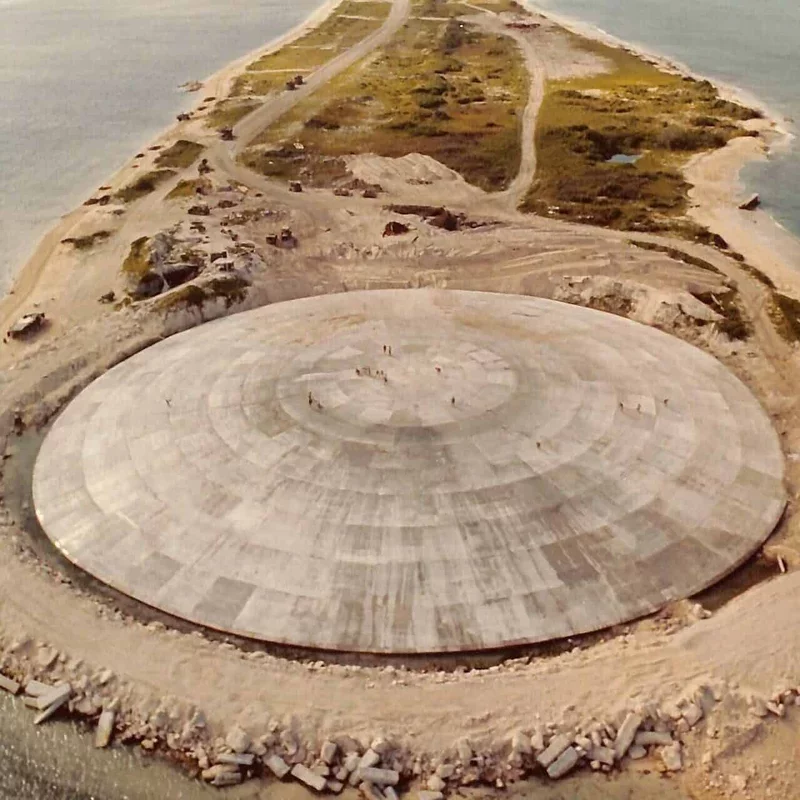
At first glance, the Runit Dome in the Marshall Islands appears as an ordinary concrete structure, measuring 377 feet (115 meters) across, but it holds a troubling secret beneath its surface. Locally known as "The Tomb," this site contains over 111,000 cubic yards of radioactive waste, remnants of the United States' nuclear testing during the Cold War. The dome was constructed hastily, intended as a temporary solution to a long-term environmental crisis.
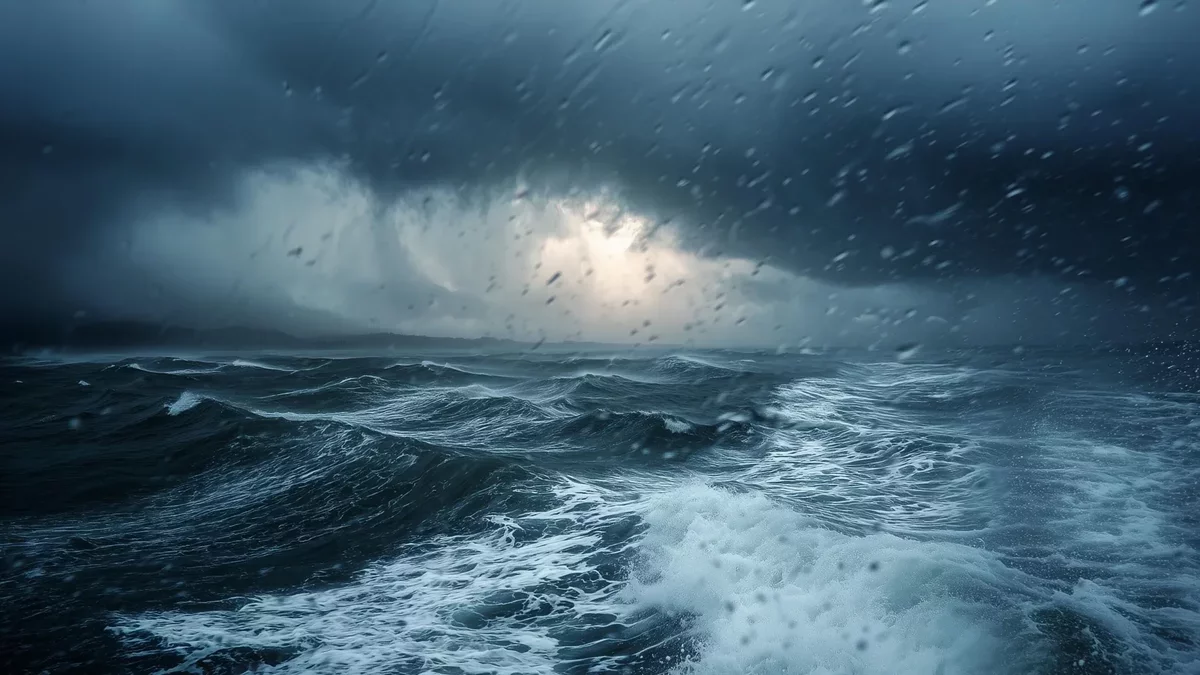
However, the integrity of this structure is now in jeopardy. Seawater is infiltrating its base, exacerbated by rising tides and climate change, while cracks are forming in the concrete cap. This situation raises concerns about potential storms that could breach the dome and release its hazardous contents into the Pacific Ocean.
The Historical Context
The story of the Runit Dome is steeped in historical complexities. Following World War II, the U.S. took control of the Marshall Islands as a strategic territory, promising to protect its inhabitants. Instead, the U.S. conducted extensive nuclear tests, displacing local populations and exposing them to harmful radiation. Over 67 nuclear weapons were detonated in the region, leading to severe environmental and health consequences for the Marshallese people.
Cleanup Efforts
In the late 1970s, as the U.S. prepared to grant independence to the Marshall Islands, pressure mounted to address the radioactive waste. The cleanup, framed as a moral obligation, involved around 6,000 veterans who were tasked with managing the hazardous debris. Unfortunately, many of these workers did not receive adequate protection and were exposed to dangerous levels of radiation during the process.
The radioactive soil was ultimately encased in the dome, a decision made without considering the geological implications. The site is located in porous coral rock, making it vulnerable to environmental interactions that could lead to contamination.
Current Concerns
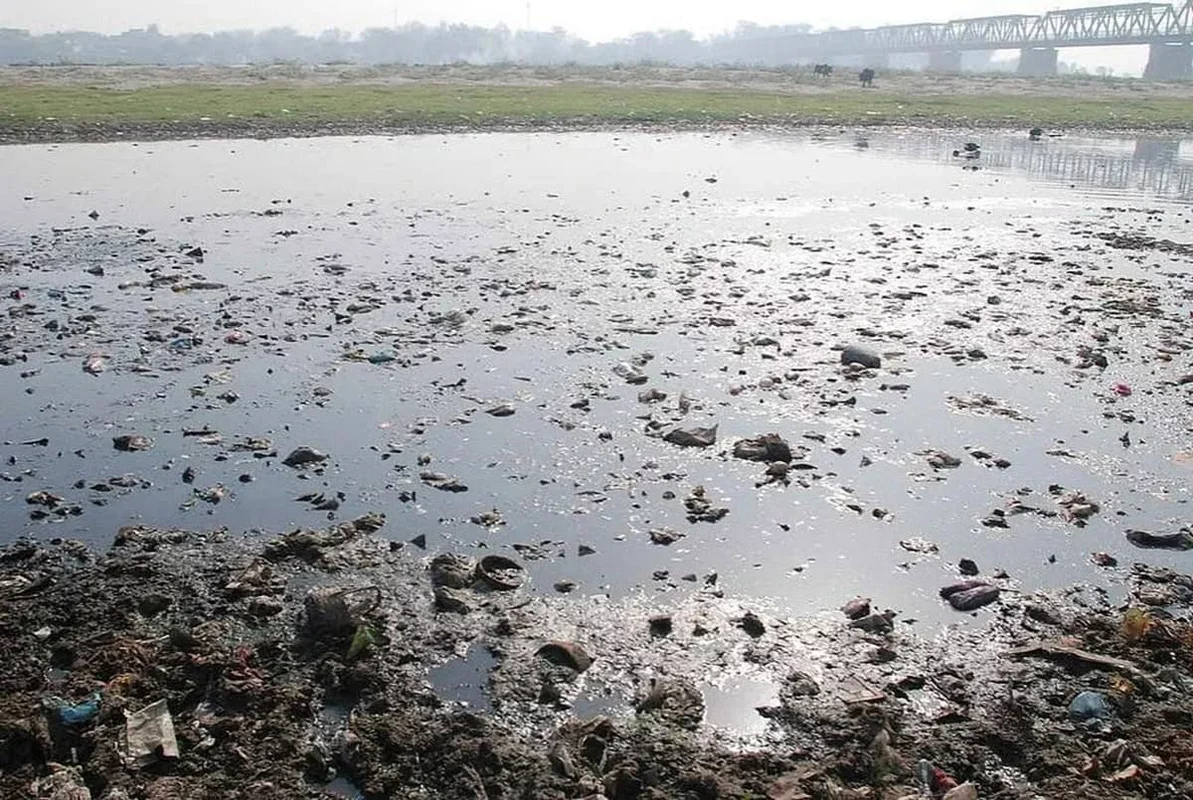
Despite the evident risks, the U.S. government maintains that the situation is manageable, arguing that the radioactive leakage is insignificant. However, local officials and environmental advocates challenge this notion, emphasizing the ongoing health risks faced by the Marshallese people. Elevated cancer rates and environmental degradation continue to plague the region, with traditional food sources rendered unsafe.
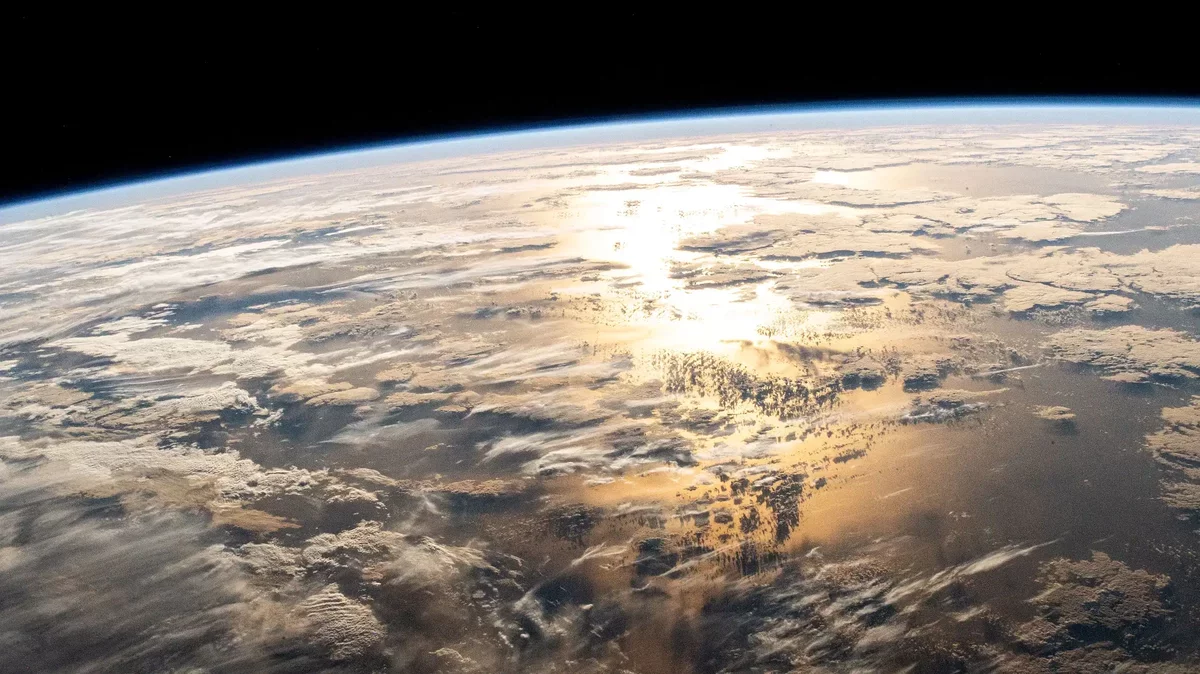
Climate change poses an additional threat, as rising sea levels jeopardize the dome's structural integrity. Without proactive measures, the potential for catastrophic failure looms, leading to widespread contamination.
Future Solutions
Two viable long-term solutions have been proposed: constructing a more secure containment facility over the existing dome or excavating the radioactive materials for safe disposal. Unfortunately, neither option is currently under serious consideration, leaving the Runit Dome as a poignant reminder of environmental negligence.
As the world grapples with climate change and its implications, the fate of the Runit Dome serves as a critical lesson in the importance of responsible environmental stewardship.