This week, a captivating concept has emerged in Silicon Valley: the integration of AI tokens into compensation packages for engineers. Instead of solely relying on salary, equity, and bonuses, companies are exploring the idea of providing a budget of AI tokens--units that fuel advanced tools like Claude, ChatGPT, and Gemini. The premise is simple: enhanced access to computational resources boosts productivity, thereby increasing the value of the engineers themselves.
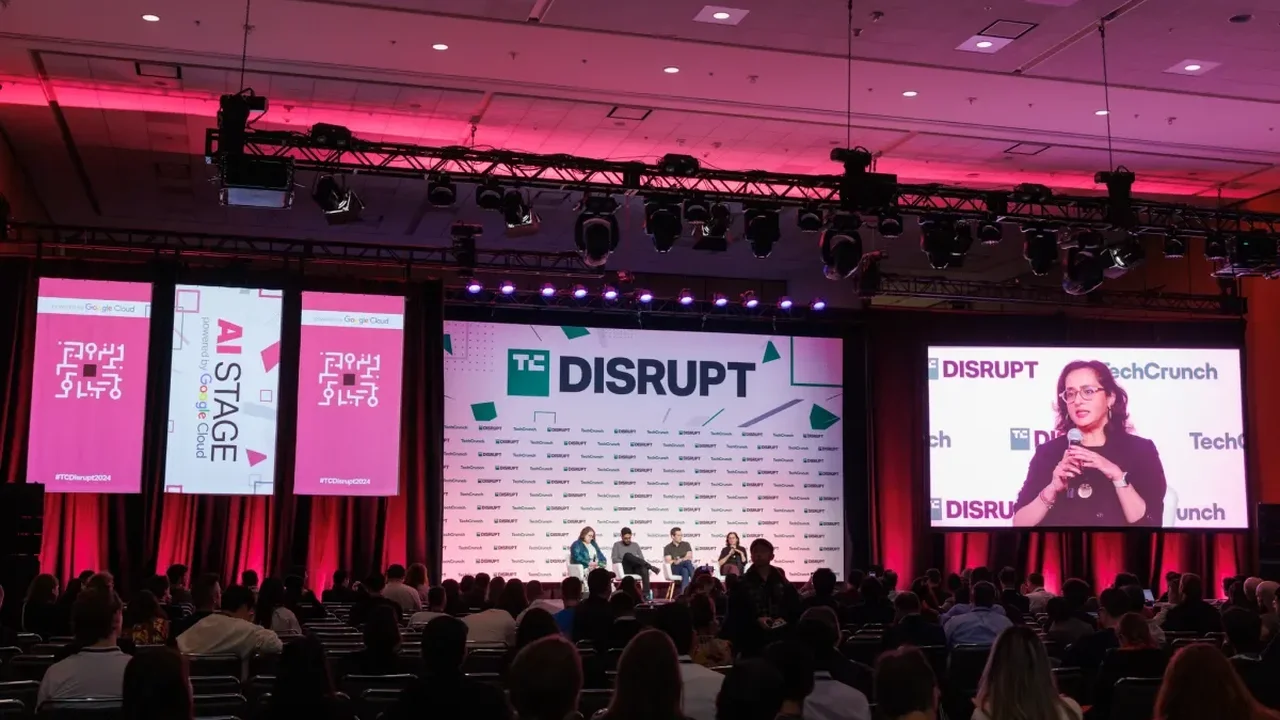
At Nvidia's recent GTC event, CEO Jensen Huang sparked interest by proposing that engineers should receive an additional 50% of their base salary in tokens. According to his estimates, top engineers could utilize approximately $250,000 worth of AI compute annually. Huang envisions this approach as a revolutionary recruiting strategy that may soon become common practice across the tech industry.
The concept of AI tokens as a compensation component has been gaining traction since mid-February, when Tomasz Tunguz, a prominent venture capitalist, highlighted it in his discussions on AI and data startups. He noted that tech firms are increasingly incorporating inference costs into compensation structures, suggesting that a top-tier software engineer's total compensation could reach around $475,000 when including a $100,000 token budget.
With the rise of agentic AI--systems capable of autonomously executing tasks--demand for tokens has surged. For instance, while an individual might consume about 10,000 tokens to draft an essay, engineers managing multiple agents can expend millions in a single day. This shift has led to a phenomenon dubbed "tokenmaxxing," where engineers at companies like Meta and OpenAI are now competing based on their token usage, with generous token allocations becoming a sought-after job benefit.
However, the implications of this trend are complex. While a larger token budget can enhance productivity, it may also raise expectations for output. If a company invests significantly in computational resources for an individual engineer, the pressure to deliver results at an accelerated pace increases. Moreover, as companies allocate substantial resources toward tokens, the financial rationale for maintaining a large workforce could shift, prompting CFOs to reconsider headcount dynamics.
Experts like Jamaal Glenn, a former VC turned CFO, caution that what may appear as a lucrative perk could merely serve as a method for companies to inflate compensation packages without increasing cash salaries or equity shares--elements that provide long-term value to employees. If tokens become a normalized part of compensation, companies might find it easier to keep cash compensation stagnant while highlighting growing compute allowances as a sign of investment.
Ultimately, the evolution of AI tokens in compensation could redefine the landscape of tech employment. As organizations continue to innovate, the future of work may increasingly intertwine with computational resources, reshaping how we perceive value in engineering roles.