Artificial intelligence is reshaping how companies identify customers, organize data and build revenue operations. At the center of this shift is the GTM engineer, a growing role that combines automation, data workflows and commercial strategy.
Rather than handling prospect research, lead qualification and outreach as separate manual tasks, GTM engineers design repeatable systems that connect these processes. AI tools can help teams enrich customer data, tailor communications and coordinate workflows across sales, marketing and recruiting operations.
A new approach to company growth
Clay, the software company co-founded by CEO Kareem Amin, introduced the GTM engineering concept in 2023. The company describes the role as focused on building automated revenue workflows, allowing teams to spend more time on decisions, relationships and strategy.
Clay began in 2017 with tools designed to make programming capabilities more accessible without requiring traditional coding skills. Its platform has since evolved to support go-to-market teams with data access, campaign workflows and AI-assisted research. Its OpenAI-powered agent, Claygent, is designed to automate tasks such as prospect research and outreach preparation.
The role is gaining visibility as organizations look for smarter ways to scale their commercial operations. According to Clay, around 100 GTM engineering vacancies are being posted each month, reflecting interest from technology companies seeking to unite technical and revenue expertise.
Disrupt 2026 session explores AI-native growth
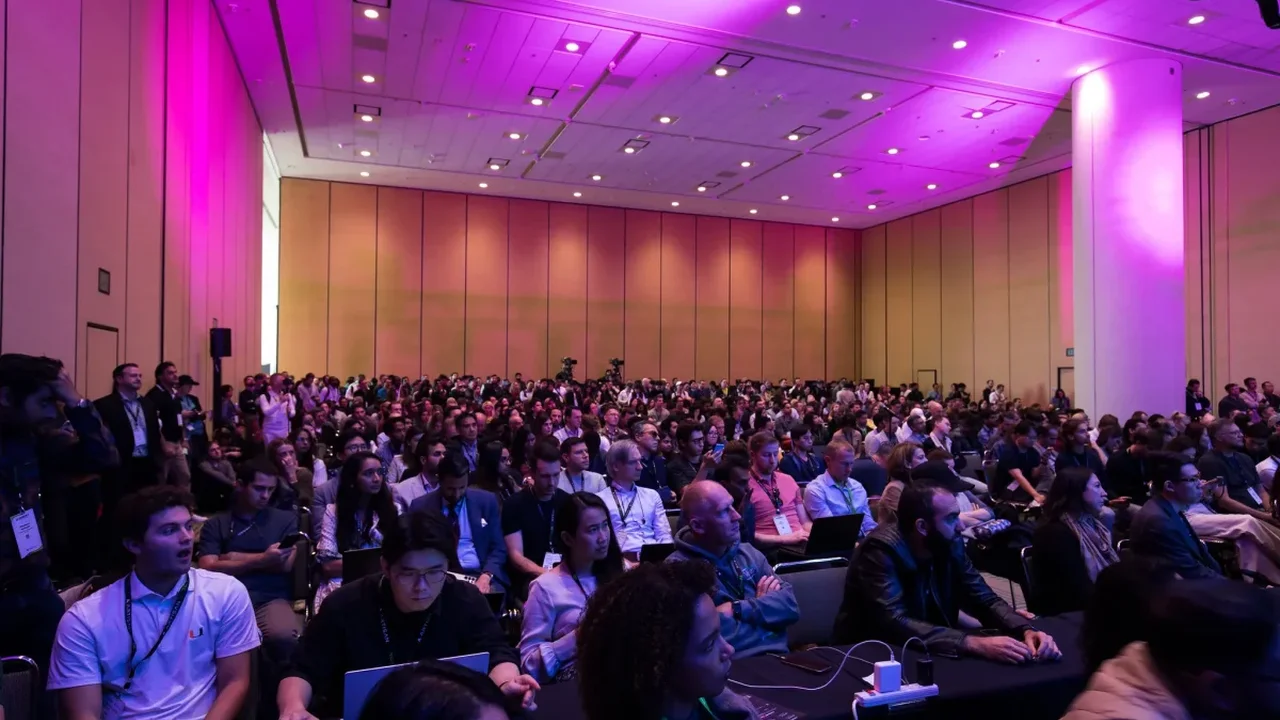
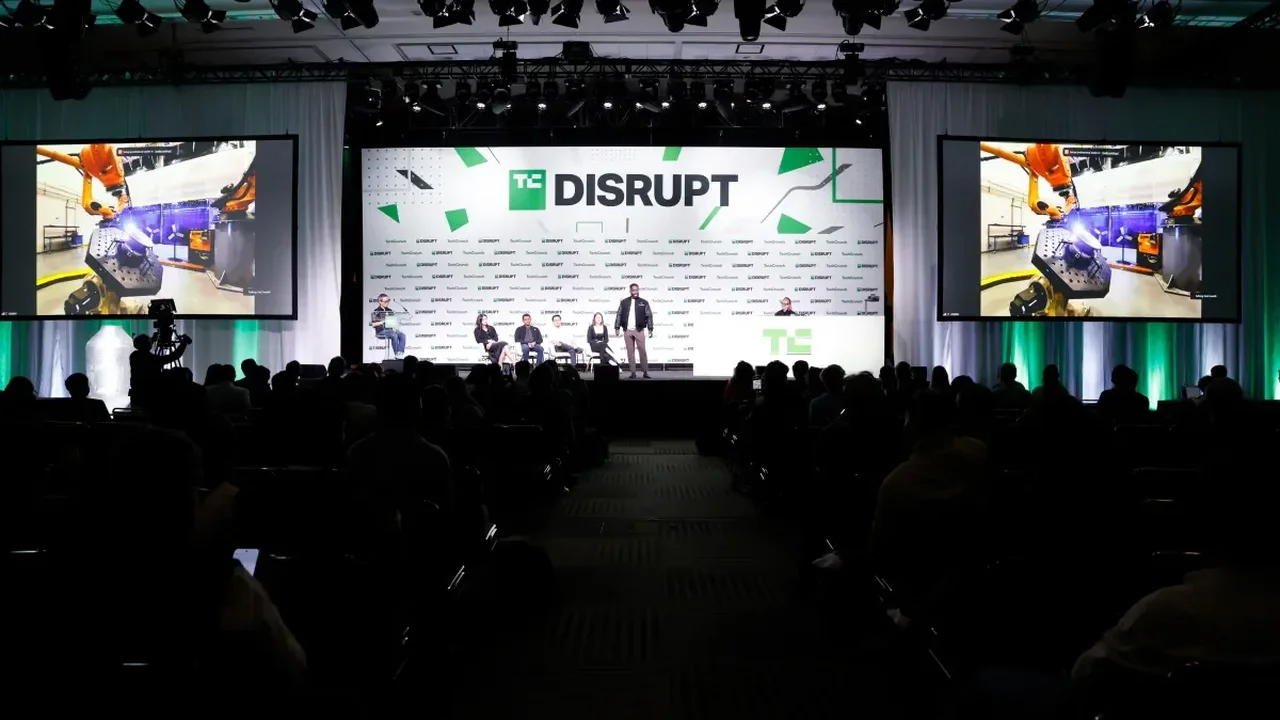
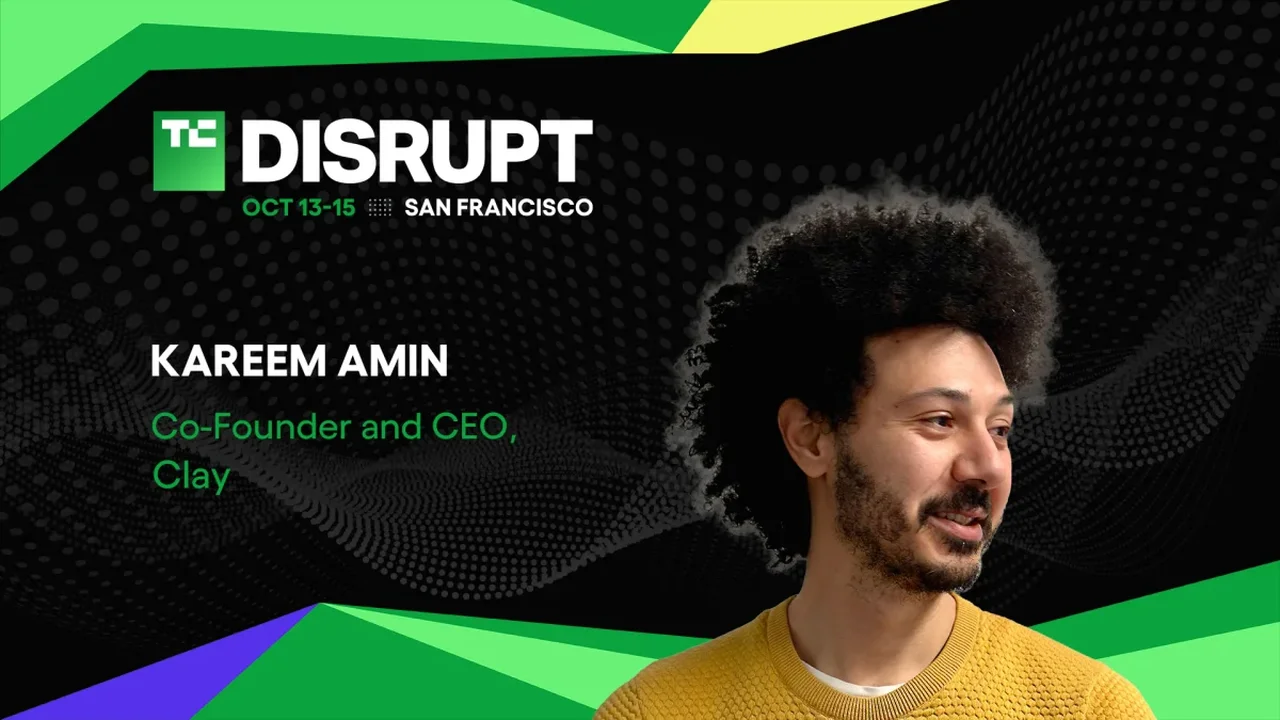
Amin is set to discuss the development at TechCrunch Disrupt 2026, where his session will examine how AI is changing the traditional go-to-market technology stack. The event, scheduled for October 13-15 in San Francisco, will bring together founders, investors and technology leaders around emerging business models and tools.
Clay has also expanded its investment in the field through a $1 million scholarship fund aimed at training future GTM engineers. As AI becomes more embedded in commercial teams, the discipline could encourage companies to build adaptable systems before expanding operational headcount.
The rise of GTM engineering signals a future in which AI fluency, automation design and customer insight increasingly converge in a single growth-focused profession.