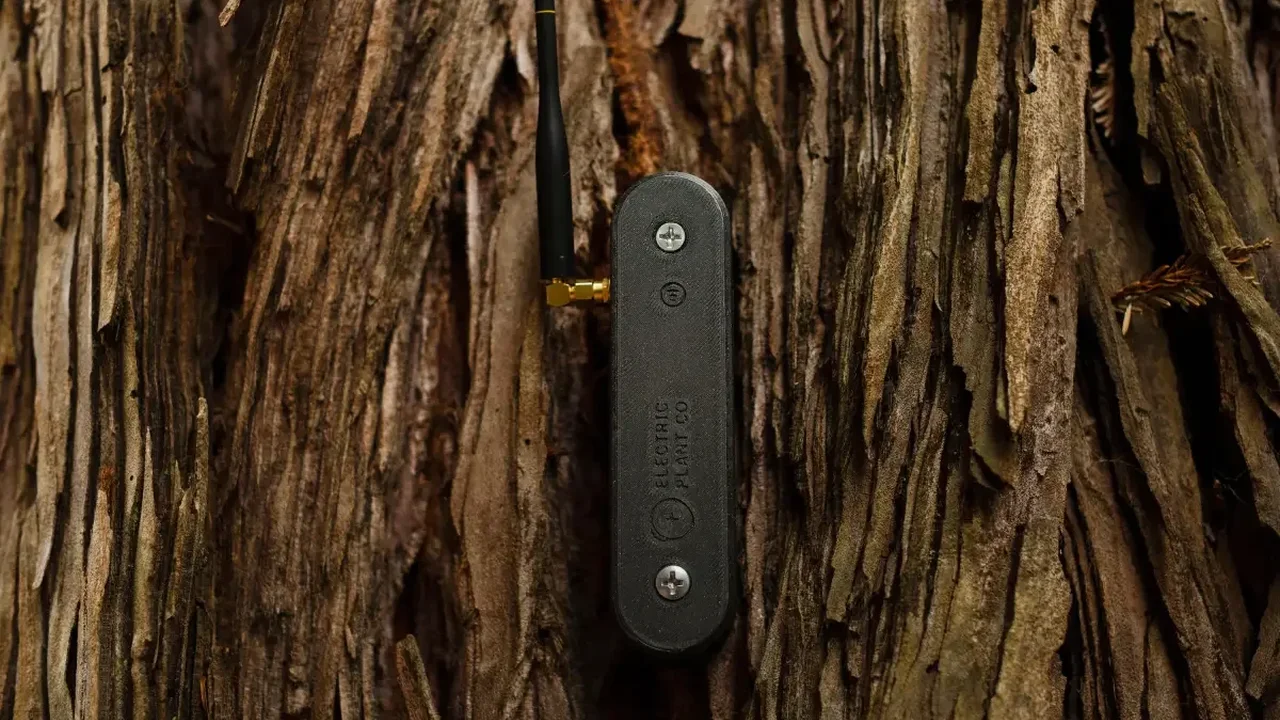
Plants continuously generate subtle electrical signals as they respond to their surroundings. Startup Electric Plant is developing sensors and an AI model called Bombadil to interpret those signals and help growers understand what plants need.
The system measures minute voltage changes in living tissue. Small sensors attached to plants send their readings wirelessly to a base station, where Bombadil processes the data. The model has been trained on signals from about 125 species, including ferns, redwoods, tomatoes and dahlias.
From plant signals to growing decisions
Growers could use the information to adjust watering, fertilizer or lighting in response to plants' conditions. Electric Plant says its sensors cost tens of dollars, compared with thousands of dollars for some existing monitoring equipment, and that only a few sensors per acre may be needed.
Co-founder Justin Mast says the system could help increase yields while reducing water use by 20% or more. Those results are a company estimate, and its potential applications include both agriculture and forestry.
Electric Plant has raised $11.2 million in seed funding to bring its sensors and model to market. The company's longer-term ambition is to make plant signals easier for people to interpret; the near-term focus is listening closely enough to support more responsive growing decisions.
If the approach proves effective at scale, real-time insight into plant needs could help make cultivation more precise and resource-efficient.