In a groundbreaking doctoral dissertation, researcher Zhe Zhu delves into the transformative impact of generative AI tools like ChatGPT and Gemini on the modern workplace. His study highlights how these technologies are reshaping organizational decision-making and enhancing employee experiences.
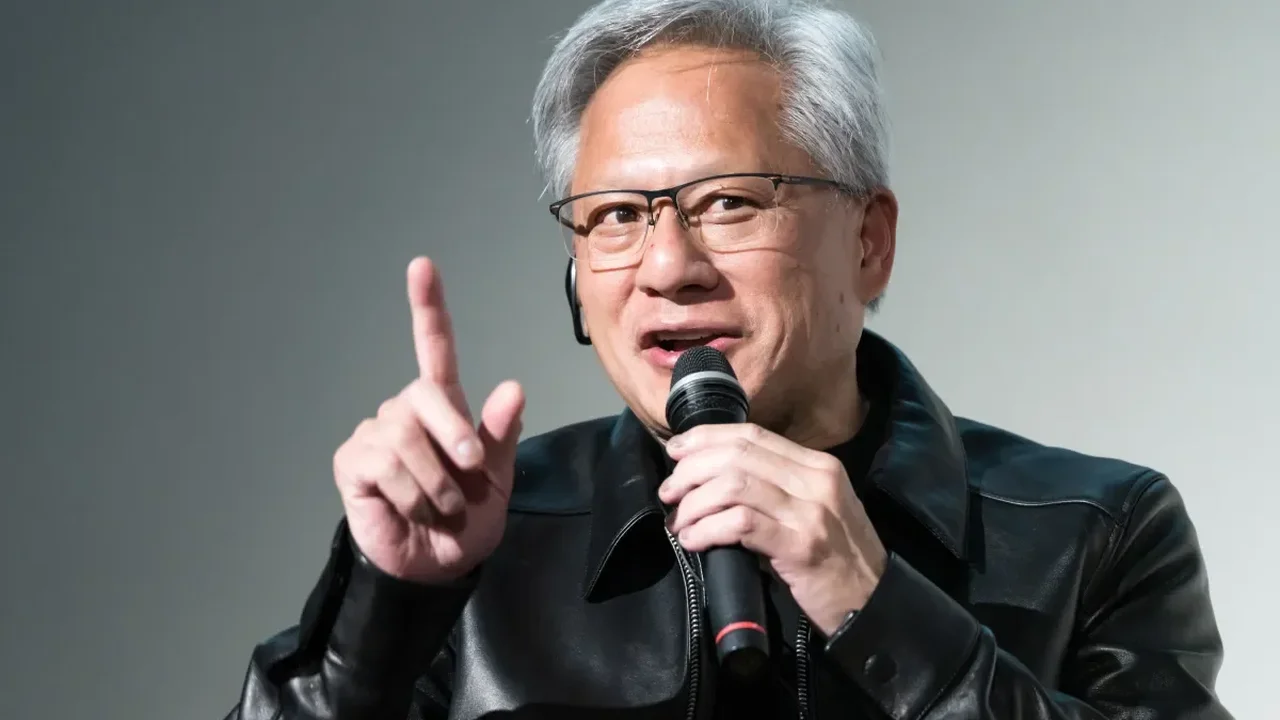
Despite lingering anxieties about job security as AI becomes more prevalent, Zhu's research indicates that such concerns can actually drive workers to acquire new skills and leverage AI to boost their career trajectories. "As NVIDIA CEO Jensen Huang has noted, it's not AI that replaces workers, but those who harness AI effectively," Zhu observes. Employees who embrace generative AI tend to exhibit greater engagement and adaptability in their professional lives.
The Importance of Trust in AI
Trust emerges as a critical factor in determining whether AI serves as a benefit or a hindrance to employees and organizations alike. Zhu points out that over-reliance on AI can lead to the acceptance of inaccurate data, while complete distrust may prevent individuals from recognizing its potential advantages. He emphasizes the necessity for organizations to strike a balance as AI becomes integrated into daily workflows.
Creating an AI-Ready Workplace
The findings suggest that the success of AI adoption hinges less on the technology itself and more on the strategic implementation by organizations. Addressing ethical considerations, data privacy, and responsible governance is essential for seamless AI integration. Zhu proposes an eight-step framework to guide organizations from initial experimentation to a more cohesive and intentional use of generative AI.
With a vision for the future, Zhu believes that workplaces are evolving towards an AI-native environment where AI systems are intricately embedded in everyday tasks, rather than existing as standalone tools.
AI's Role in Job Transformation and Industry Creation
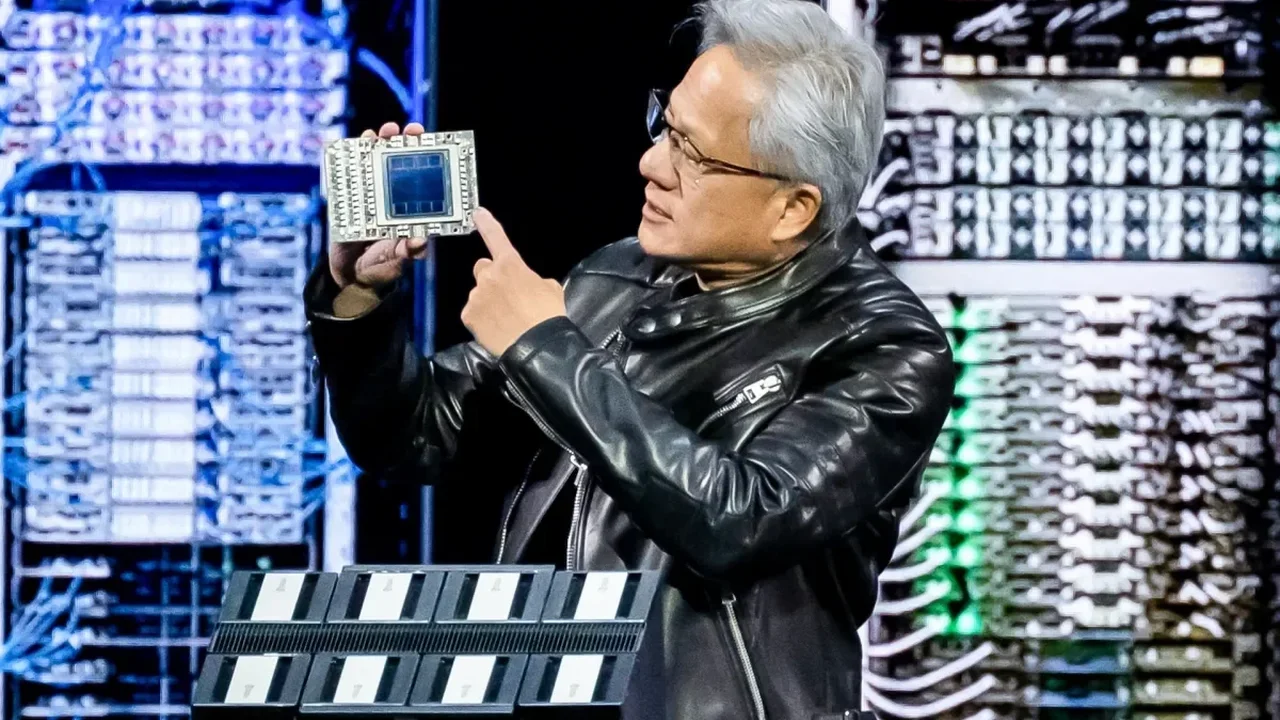
The research also foresees significant economic shifts driven by AI. While certain jobs may become obsolete, Zhu predicts the emergence of entirely new industries centered around AI infrastructure, data centers, and digital services. "We are witnessing a new industrial revolution. While some roles will vanish, new opportunities and industries will arise around AI," he asserts. Employees are encouraged to embrace this technology, learning to utilize it critically while enhancing their skill sets.
As we navigate this new landscape, the collaboration between humans and AI holds the promise of redefining the future of work, fostering innovation, and creating opportunities previously unimagined.