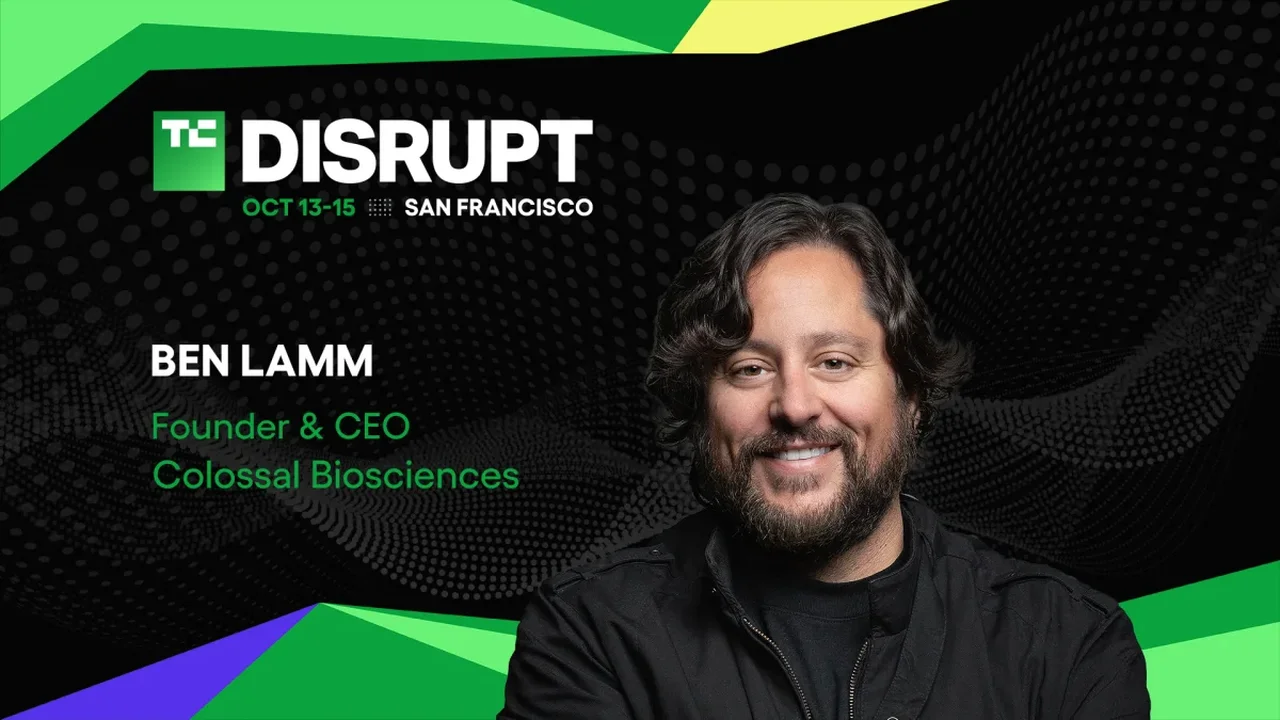
Artificial intelligence is moving into one of science's most ambitious frontiers: biodiversity. At TechCrunch Disrupt 2026, a session titled "Can We Engineer Nature's Comeback?" will examine how AI, genetics, and computational biology are reshaping conservation research and expanding what may be possible in synthetic biology.
AI enters the life sciences
The conversation features Ben Lamm, co-founder and CEO of Colossal Biosciences, a company known for applying advanced technologies to de-extinction research. The discussion will focus on how AI can help analyze genetic data, model biological systems, and speed up scientific discovery beyond traditional lab methods.
Rather than centering only on the idea of bringing extinct species back, the session looks at a broader question: how should emerging tools be used to support ecosystems, conservation, and climate resilience? That perspective places AI not just in software or robotics, but in the evolving relationship between technology and the natural world.
A wider conversation for founders and researchers
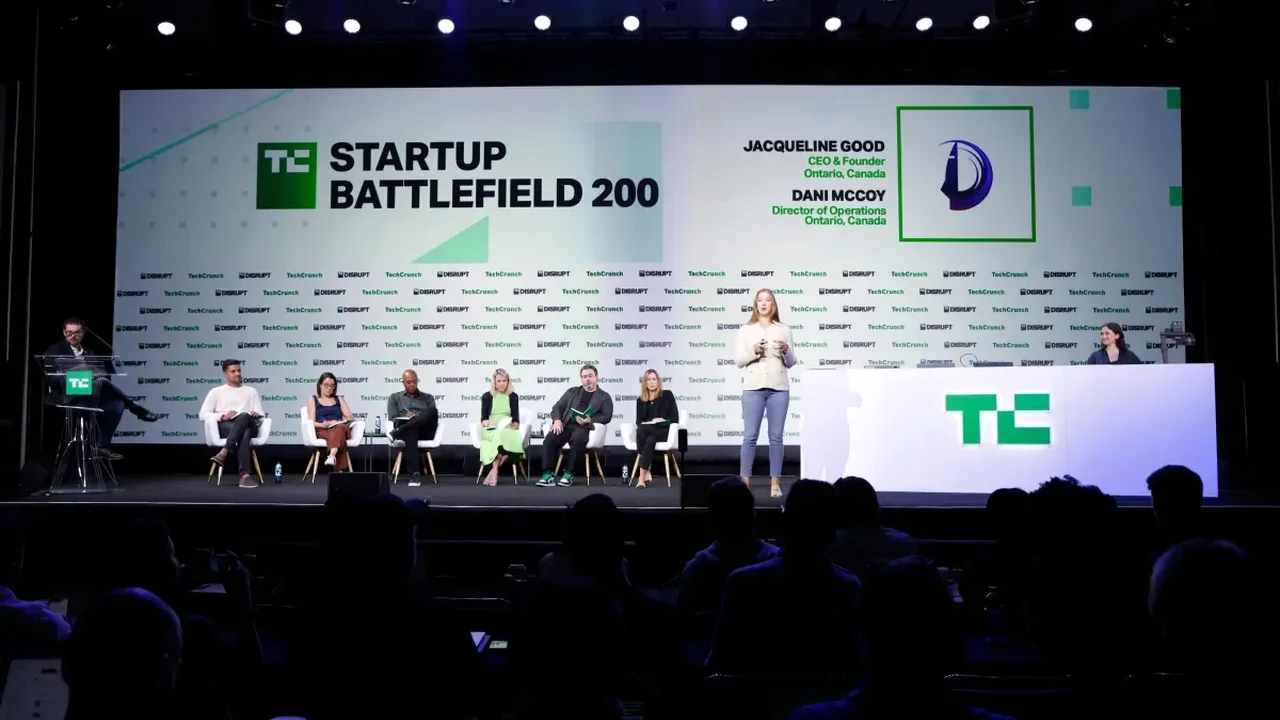
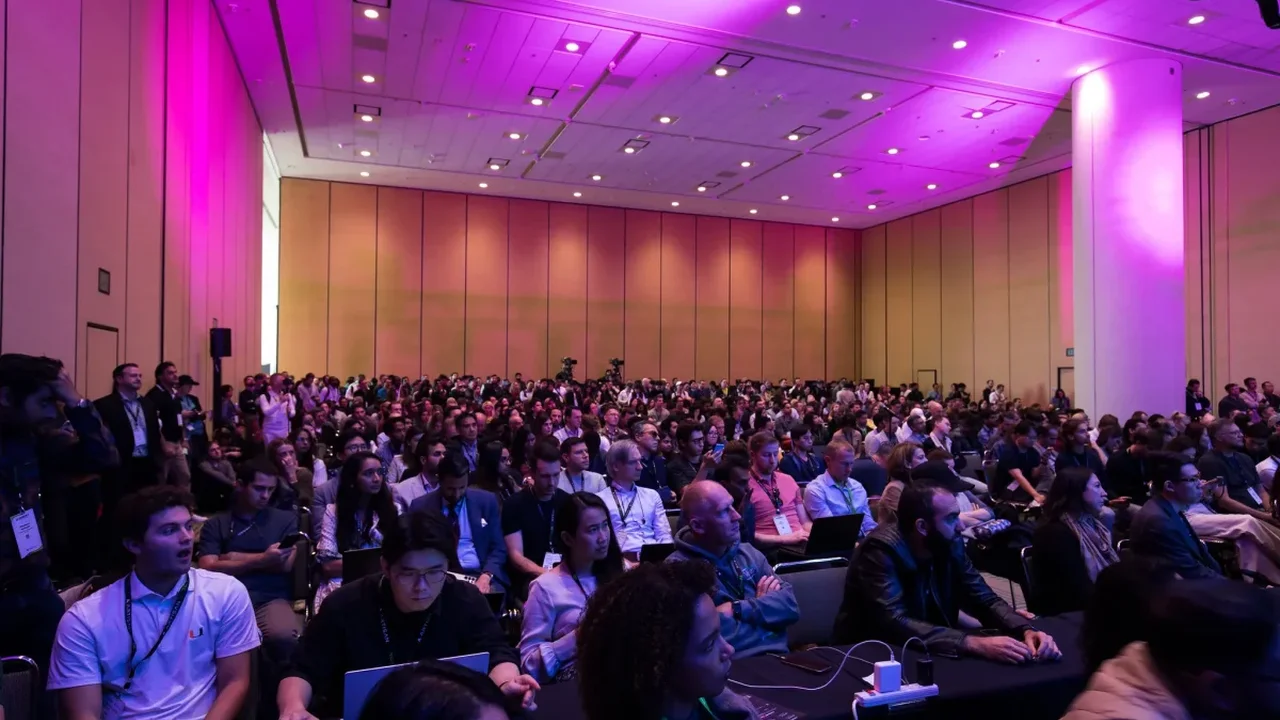
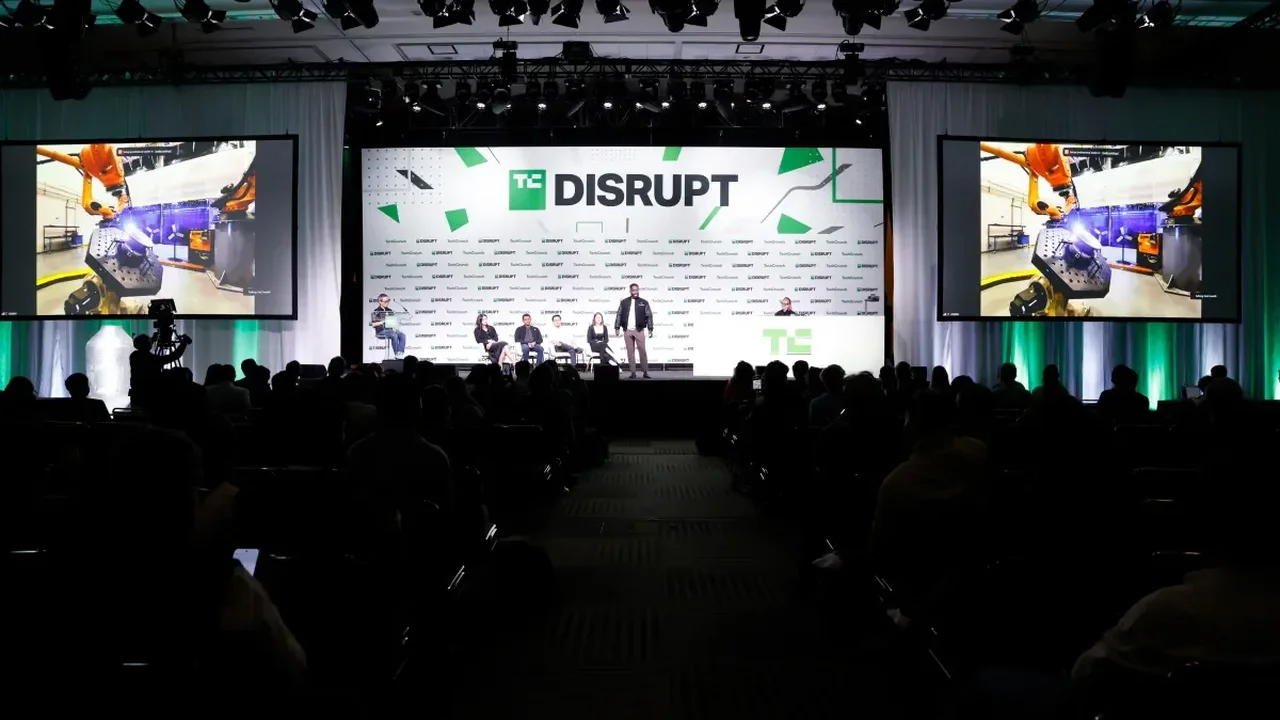
Disrupt 2026 will gather thousands of founders, investors, and operators in San Francisco for sessions across deep tech and life sciences. Within that setting, this talk stands out for its focus on the boundary between innovation and responsibility, especially as AI becomes more deeply embedded in biological research.
Ben Lamm's background in building technology companies adds another layer to the discussion, offering a founder's view of how breakthrough ideas move from concept to real-world experimentation. The session reflects a growing trend: the most influential AI applications may increasingly emerge in fields that shape health, nature, and the future of discovery.
As AI continues to merge with biology, it could help define a new era of conservation science and open pathways that influence how humanity understands and protects life on Earth.