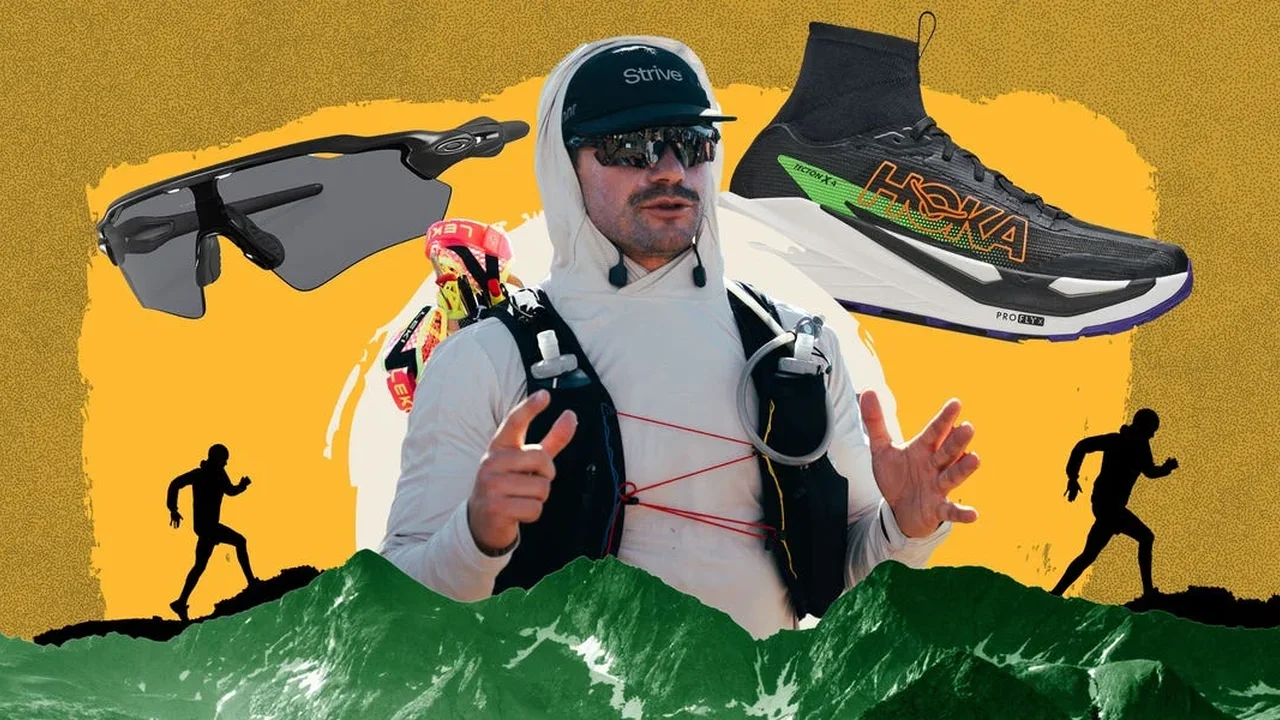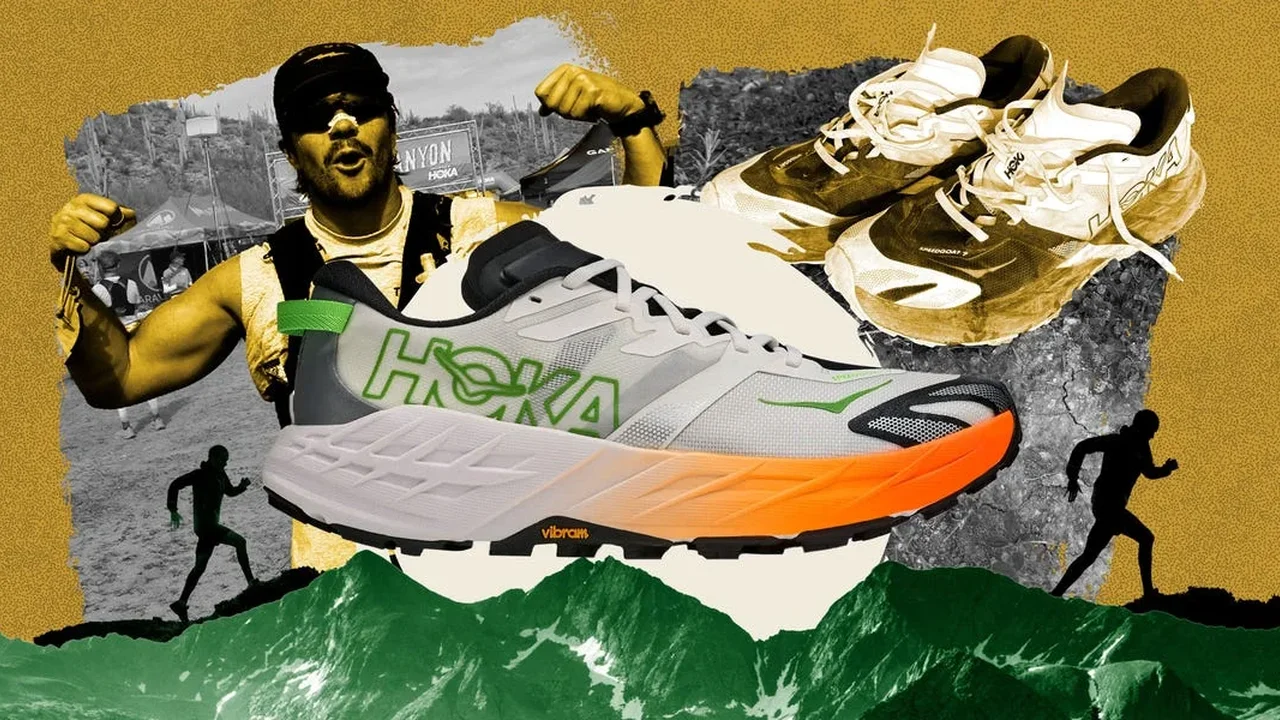
Completing the Leadville 100 took Jack Espy more than 28 hours. He crossed the finish line able to walk, but his feet, hips and legs were stiff after the Colorado race. His experience highlights a key lesson for endurance athletes: feeling better is not always the same as being fully recovered.
Small adjustments during the race
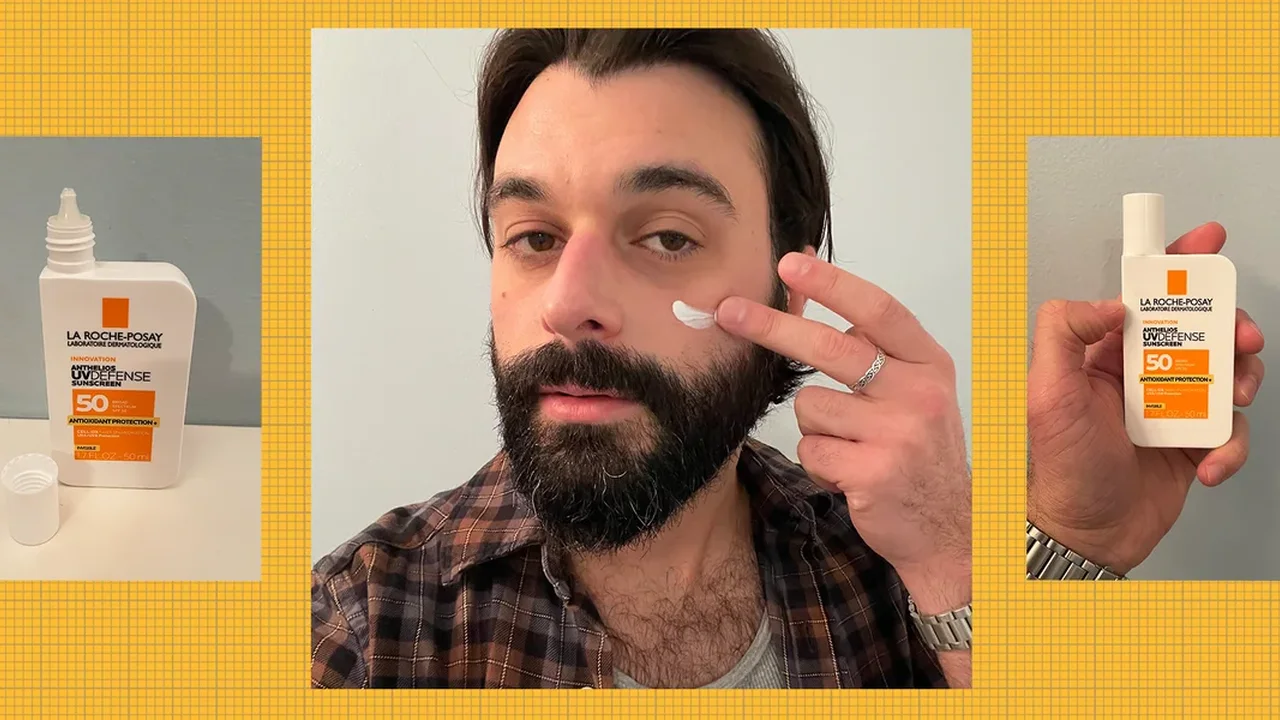
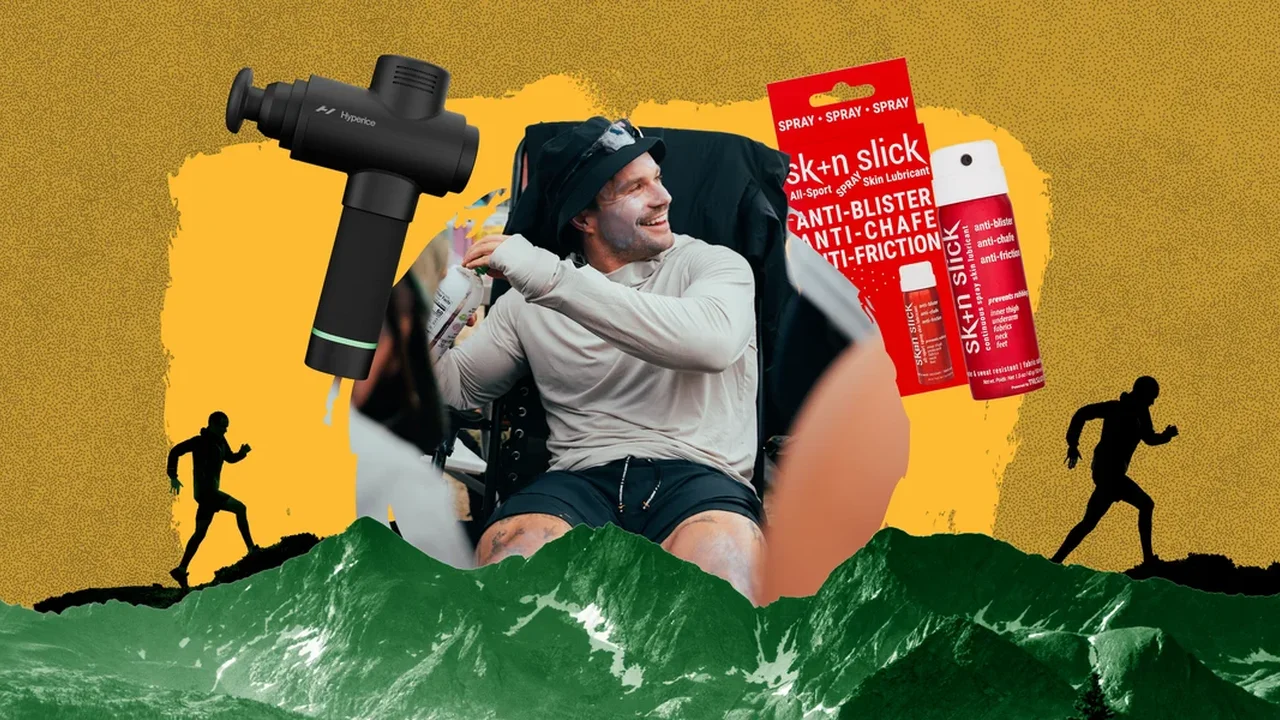
Espy relied on a knee sleeve when discomfort developed in his right knee, and used a massage gun on his quads and calves at aid stations. Regular foot care and anti-chafing products helped him finish without blisters. These were personal strategies that made the long effort more manageable for him.
Rest, food and fluids after the finish
After the race, Espy spent the day resting, drinking fluids with electrolytes and eating a substantial meal. He also used compression boots and took magnesium before bed. In the following weeks, he made sleep, adequate nutrition and time away from running priorities.
His muscles began to feel normal sooner than his overall energy and sleep patterns did. Espy says it took about four weeks before he felt fully recovered. Although he tried a short run less than a week after finishing, the experience reinforced the importance of allowing the body time to rebound after an ultra-distance event.
For endurance athletes, Espy's account is a reminder to consider recovery as part of training, not simply the pause after it. As participation in long-distance events grows, thoughtful recovery plans may become an increasingly central part of sustainable performance.