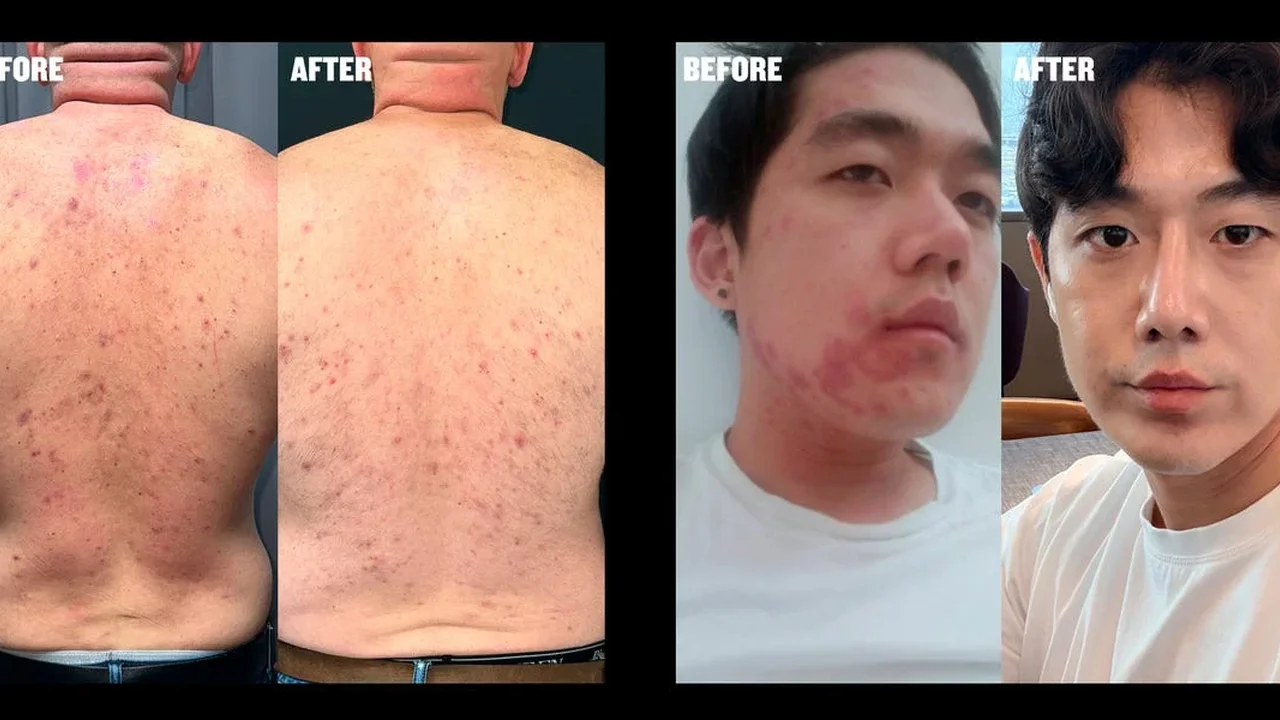
Acne can continue well beyond the teenage years, and treatment often works best when matched to the type of breakout and the skin's tolerance. A simple routine with a gentle cleanser, moisturizer and sunscreen can support treatment, while picking or squeezing spots may irritate skin.
Over-the-counter ingredients
Salicylic acid helps clear dead skin and excess oil from pores, making it a common option for blackheads and whiteheads. Products typically contain 0.5% to 2%; washes can be useful for breakouts on the chest or back.
Benzoyl peroxide targets acne-related bacteria and may calm inflammation, so it is often used for red, inflamed spots. It can irritate skin, making a cautious start important.
Sulfur can absorb oil and soothe redness, and may suit some people with sensitive skin. Adapalene, a topical retinoid available over the counter at 0.1%, helps regulate skin-cell turnover and may address several types of acne. Glycolic acid exfoliates the skin's surface and can help with clogged pores.
Introduce active ingredients gradually and avoid layering multiple irritating products at once. If acne is persistent or painful, a dermatologist can help tailor a routine.
When professional care may help
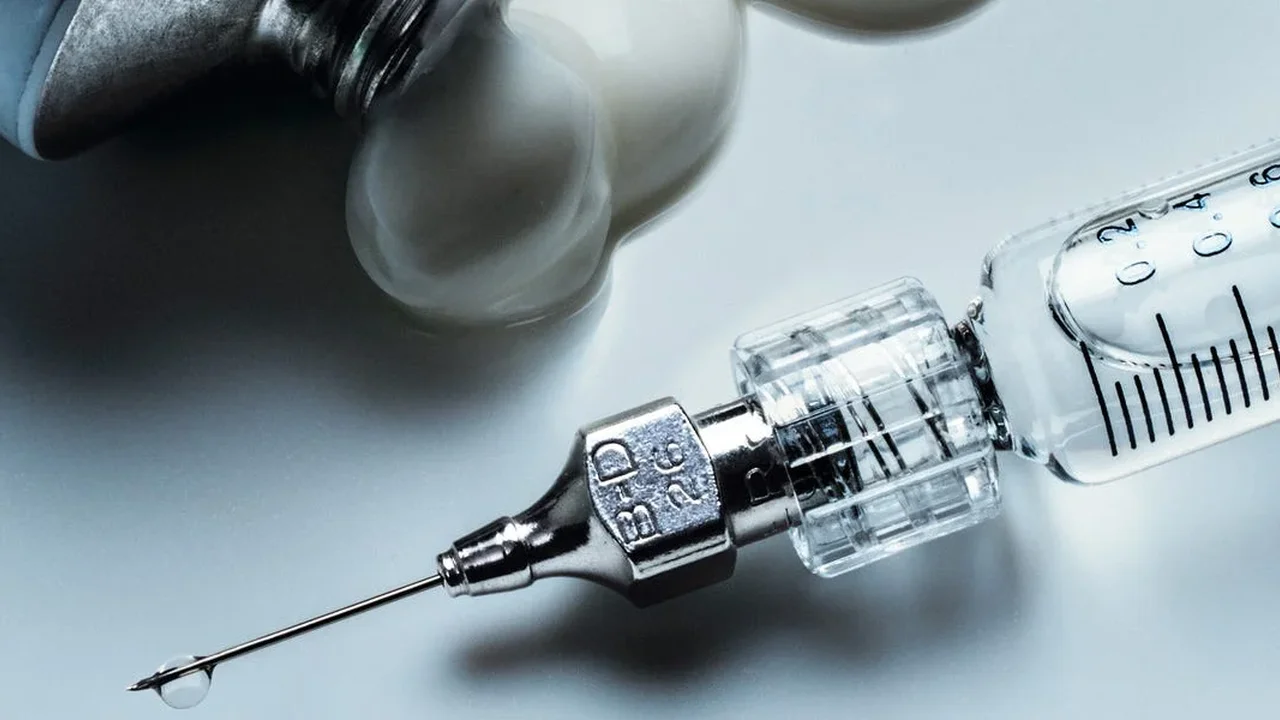
Deep, painful nodules or cysts often call for a dermatologist's assessment. Depending on the acne, treatment may include prescription topical tretinoin, temporary oral antibiotics, or isotretinoin with close medical monitoring. Other options include topical clascoterone, a treatment that reduces oil production, and AviClear, an FDA-cleared laser treatment targeting oil-producing glands. A cortisone injection may quickly reduce inflammation in an individual cyst, but it is not a long-term acne treatment.
For a sudden spot, a warm, damp cloth applied for 10 to 15 minutes may help; an over-the-counter spot treatment can then be used as directed. A tailored approach that pairs careful daily skin care with clinical options may make adult acne treatment increasingly personal and precise.