For individuals ensnared in the grip of severe depression, the prospect of relief can often feel elusive. A groundbreaking long-term study indicates that a compact, surgically implanted device could provide a consistent source of relief, breaking the cycle of despair.
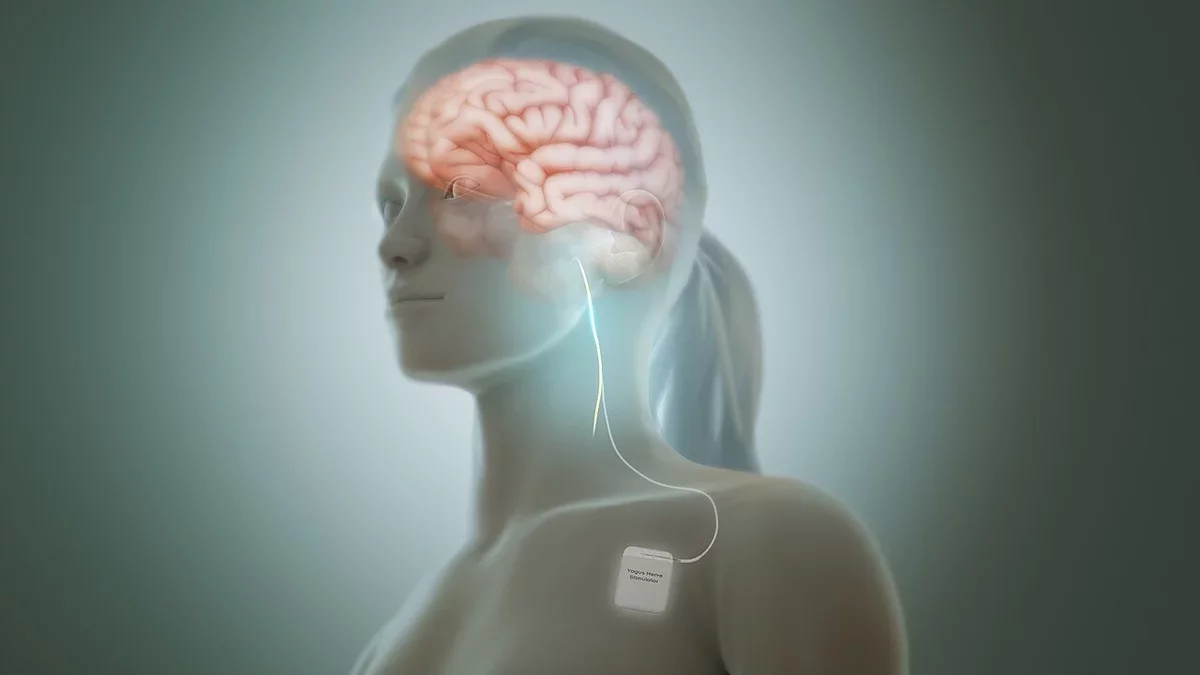
This innovative device sends gentle electrical impulses to the vagus nerve, a crucial communication pathway between the brain and the body. By administering carefully timed electrical signals, the implant functions similarly to a pacemaker, regulating mood.
A Beacon of Hope for the Untreated
Major depression is a widespread issue, affecting approximately one in five adults in the U.S. and similar rates in numerous countries. While many experience alleviation after one or two treatments, around a third of patients find traditional approaches ineffective. Each unsuccessful attempt diminishes the likelihood of achieving lasting relief, exacerbating the condition's impact.
The participants in the RECOVER trial represented the most challenging cases, having endured depression for an average of 29 years. Most had attempted around 13 treatments without success, including electroconvulsive therapy and transcranial magnetic stimulation, with nearly three-quarters unable to maintain employment.
"This trial's participants reflect the most severely treatment-resistant depression cases ever examined in a clinical setting," stated Dr. Charles Conway, the study's lead author. "There is an urgent need for effective solutions for these patients, who often lack alternatives."
The study evaluated vagus nerve stimulation (VNS) as an adjunct to standard care. Surgeons implant a small device beneath the skin of the chest, with a wire encircling the left vagus nerve in the neck. This device emits regular, timed electrical signals to brain areas linked to mood, motivation, and stress, without the use of chemical treatments.
VNS is not a new concept; it has been utilized for decades to manage epilepsy. The key question was whether VNS could serve as a sustainable treatment for depression.
Positive Outcomes
RECOVER involved nearly 500 participants across 84 U.S. sites, all receiving the implanted device. In the first year, only half had the device activated, allowing researchers to assess differences in outcomes. Initial findings indicated that patients with active stimulation experienced more significant improvements in mood and functionality, even if one standard depression scale did not reflect a clear distinction.
The latest analysis focused on a subgroup of 214 patients whose devices were active from the outset. After one year, approximately 69% exhibited notable enhancements in at least one aspect of mood, daily functioning, or quality of life, defined as a symptom reduction of at least 30%.
What followed was unexpected for the researchers. Among those who improved after one year, over 80% sustained or enhanced their progress by the second year. For individuals with significant improvements at the one-year mark, 92% continued to benefit after two years, with few experiencing relapse.
The most remarkable finding was related to remission. After two years, over 20% of patients had symptoms low enough to meet the clinical criteria for remission.
"We were astonished to find that one in five patients was essentially free from depressive symptoms after two years," Conway noted. "These results are quite unusual, as most studies on treatment-resistant depression typically show poor sustainability of benefits."
Researchers confirmed that these benefits were not attributable to changes in medications or additional treatments.
A Potential Game Changer
While an implant is rarely the first line of treatment, it could become a dependable option for those who have exhausted other avenues, especially given the high potential benefits.
Traditional intensive treatments, like ECT, often result in a dramatic rise and fall in mood. In contrast, VNS offers a gradual improvement; some patients may not notice changes until their second year of stimulation.
The device used in the RECOVER study is manufactured by LivaNova, which funded the research. The data collected will aid the Centers for Medicare and Medicaid Services in determining insurance coverage, as cost has been a significant barrier to access for many patients.
The results stem from the RECOVER trial, conducted by researchers at Washington University School of Medicine in St. Louis, and published in January in the International Journal of Neuropsychopharmacology.