Physicists have explored a striking question: what happens if a single photon meets an ultrafast shutter that seems to split its path in time? The answer is not a "half photon," but a far more unusual quantum outcome.
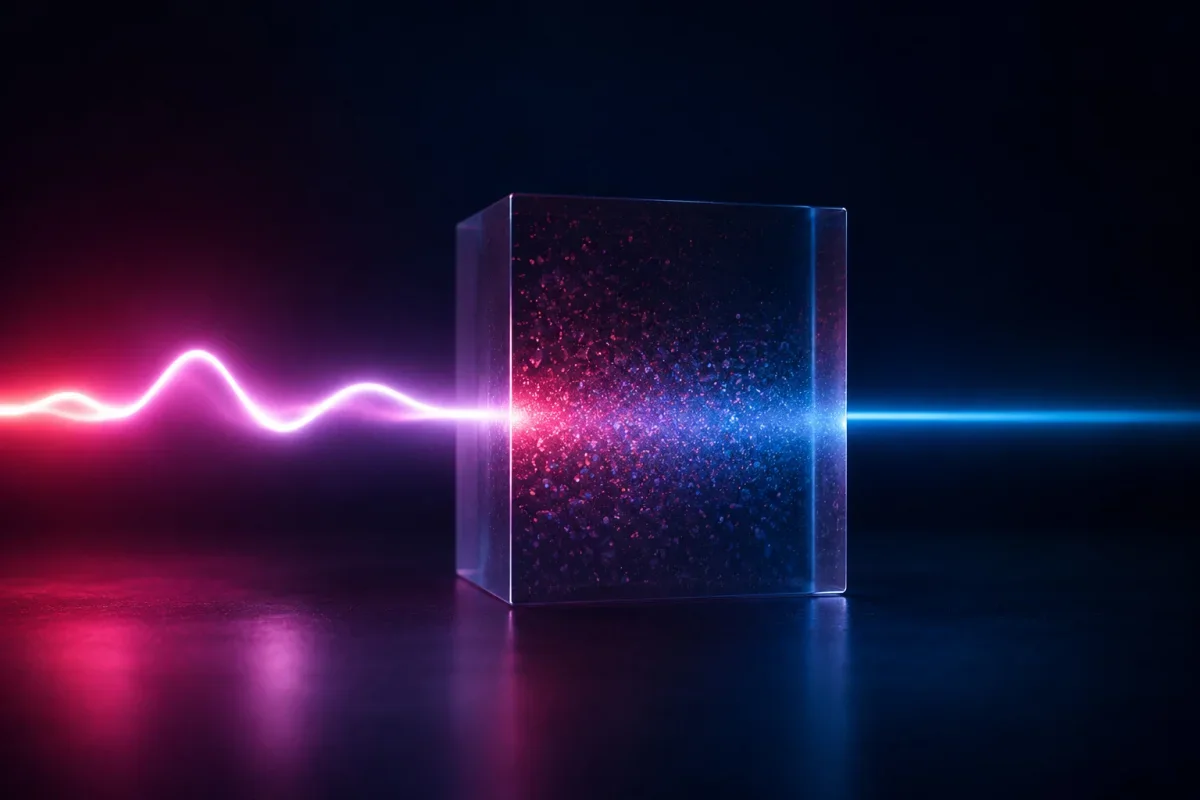
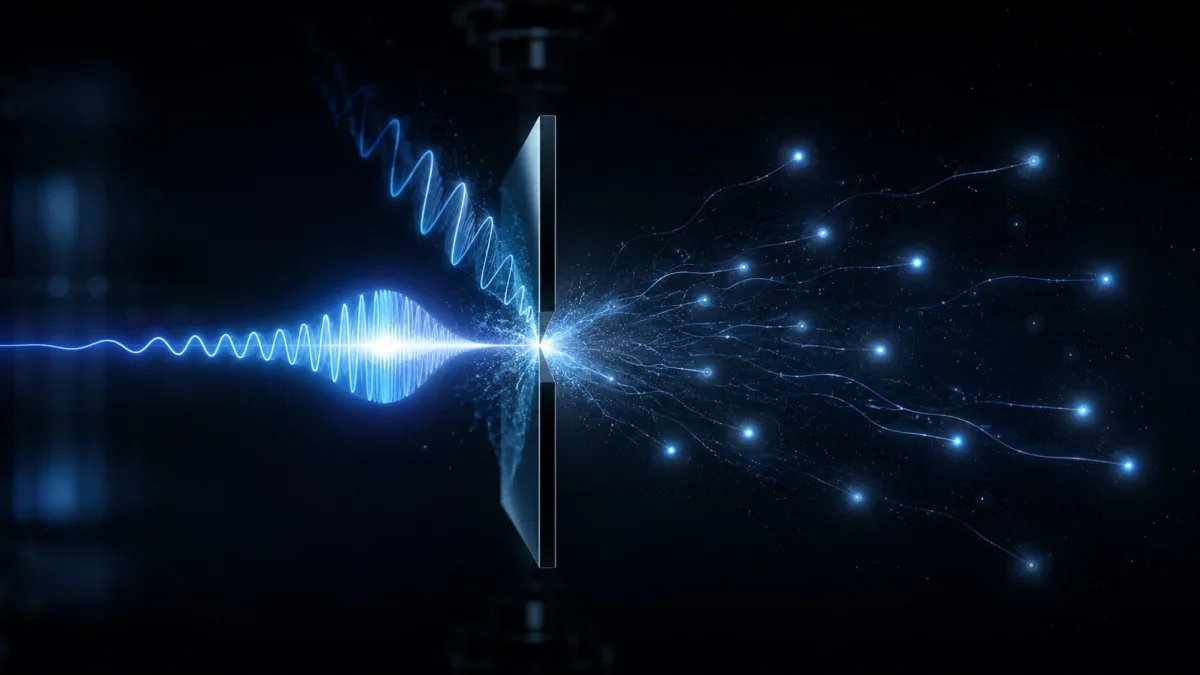
In a theoretical study from the University of Oslo, researchers modeled a photon interacting with a mirror that changes almost instantly while the light wave is passing through. Instead of producing a simple split between light and darkness, the system can evolve into a complex quantum state that includes possibilities ranging from zero photons to multiple photons.
A Wave, Not a Tiny Ball
In quantum physics, a photon is not treated as a miniature object with a clean edge. It behaves like an excitation spread across an electromagnetic field. When a shutter interrupts that field sharply, it does not slice the photon in two. It reshapes the field itself.
The team, led by Johannes Skaar, showed that the leading part of the wave can reflect while the rest continues forward after the mirror is removed. That disturbance can generate extra photons, especially in an idealized setup where the change happens at extreme speed.
This connects to ideas already known in quantum field theory, including the dynamical Casimir effect, where rapid changes in boundaries can turn vacuum fluctuations into real photons. In this case, the energy comes from the moving shutter, not from nowhere.
What an Observer Sees
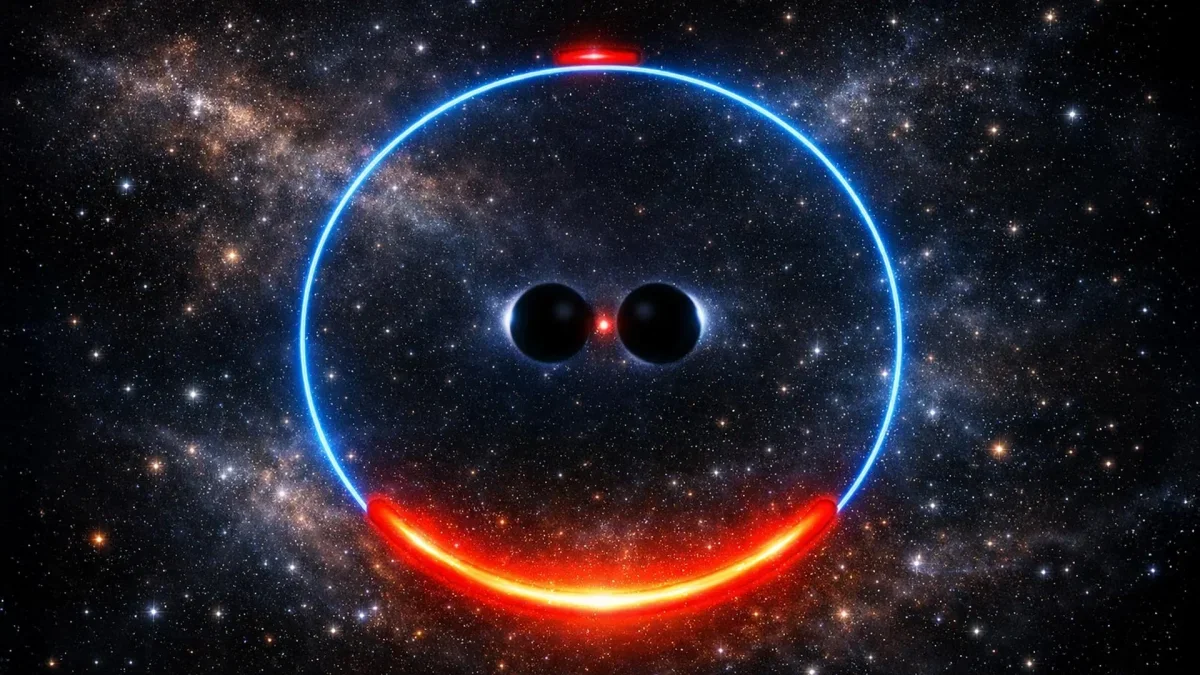
From a local measurement, the result may look simple: one side can resemble a single-photon state, while the other appears empty. Yet the full system is much richer, with a global state that can contain a wide range of photon numbers.
The study remains theoretical, but it points toward future uses in quantum sensing, precision measurement, and light-based technologies. It also reinforces a key lesson of modern physics: when light is disturbed at quantum scales, nature responds in ways that challenge everyday intuition. That insight may shape the next generation of photonic science and quantum devices.