In a startling revelation, a recent study has brought to light the serious implications of a bat virus in Bangladesh, previously thought to be less harmful. Between late 2022 and early 2023, five individuals were admitted to hospitals exhibiting symptoms reminiscent of the Nipah virus, such as fever and severe respiratory distress. However, tests for Nipah returned negative.
The actual culprit was identified as Pteropine orthoreovirus (PRV), a virus that had been underestimated in terms of its potential severity. Traditionally associated with mild respiratory issues, the new findings indicate that PRV can lead to much more severe health outcomes.
A Cultural Tradition with Risks
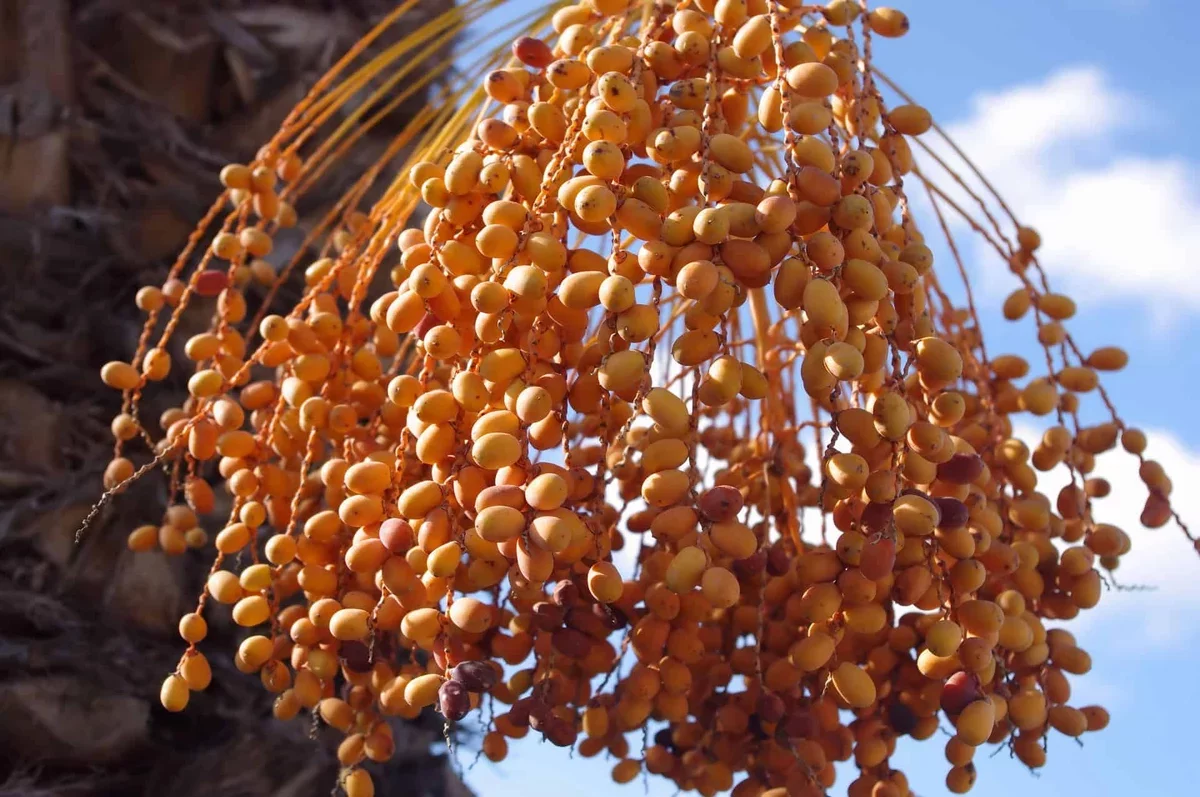
For many years, the people of Bangladesh have engaged in the practice of collecting sap from date palms, a sweet delicacy that involves hanging clay pots high in trees. However, these pots also attract Pteropus bats, which can carry and transmit various diseases.
Upon examining the five patients, all of whom had recently consumed raw date palm sap, researchers from Columbia University confirmed the connection to the sap through advanced sequencing techniques.
"Our research highlights the need for enhanced surveillance programs to address public health risks from emerging bat-borne viruses," stated Nischay Mishra, PhD, an epidemiology associate professor at Columbia University Mailman School of Public Health.
Understanding PRV
Discovered about a decade ago, PRV is a resilient virus that lacks a fatty outer layer, making it more difficult to eliminate with standard cleaning methods. Its unique genetic structure allows it to undergo reassortment, potentially leading to new strains that could pose increased threats to human health.
Follow-up assessments revealed that some survivors continued to experience long-term health issues, including fatigue and cognitive difficulties. Tragically, one patient succumbed to complications linked to the virus.
While earlier cases in Malaysia and Indonesia were primarily associated with mild symptoms, the situation in Bangladesh underscores the virus's potential for greater harm.
The Risk of Viral Transmission
The interaction between bats and humans raises concerns about the potential for viruses to adapt and spread. As bats possess robust immune systems, the viruses they harbor can be particularly virulent. Increased human-bat interactions could facilitate the emergence of new, more transmissible strains.
Public health officials are advocating for the boiling of date palm sap to eliminate the virus, but changing long-standing cultural practices poses a significant challenge.
Addressing these health risks requires not only local action but also international support to enhance surveillance and response capabilities in vulnerable regions.