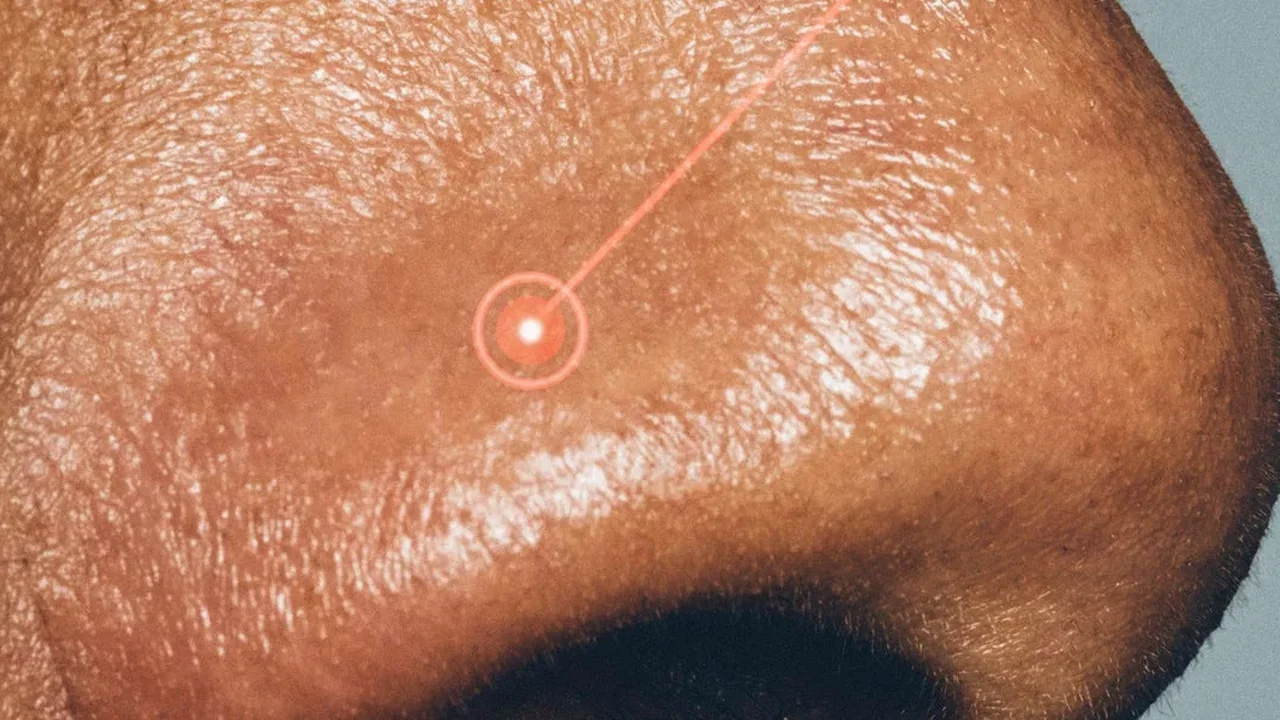
Acne scars can differ in shape, depth and texture, so treatment is usually selected according to the type of scar and a person's skin. A dermatologist can assess the skin and discuss suitable options.
Indented scars
Atrophic scars form when inflammation and collagen loss leave depressions in the skin. Icepick scars are narrow and deep; boxcar scars have more defined, rounded edges; and rolling scars create shallow, wave-like contours.
Depending on the scar, a specialist may consider trichloroacetic acid (TCA) combined with a CO2 laser for deeper, narrow marks, or fractional laser resurfacing and microneedling for less deep indentations. Subcision may help release the underlying bands associated with rolling scars. Fillers can also add volume to depressed areas.
Raised scars
Hypertrophic scars are raised but stay within the boundaries of the original acne spot. Keloids extend beyond those borders. Both involve excess scar tissue, and treatment may include corticosteroid injections; laser procedures can also be considered to improve texture.
The appropriate approach and number of sessions vary by scar and individual. A consultation with a qualified dermatologist can help set realistic expectations and guide treatment choices.
As dermatology advances, more tailored combinations of treatments may help make acne-scar care increasingly responsive to each person's skin.