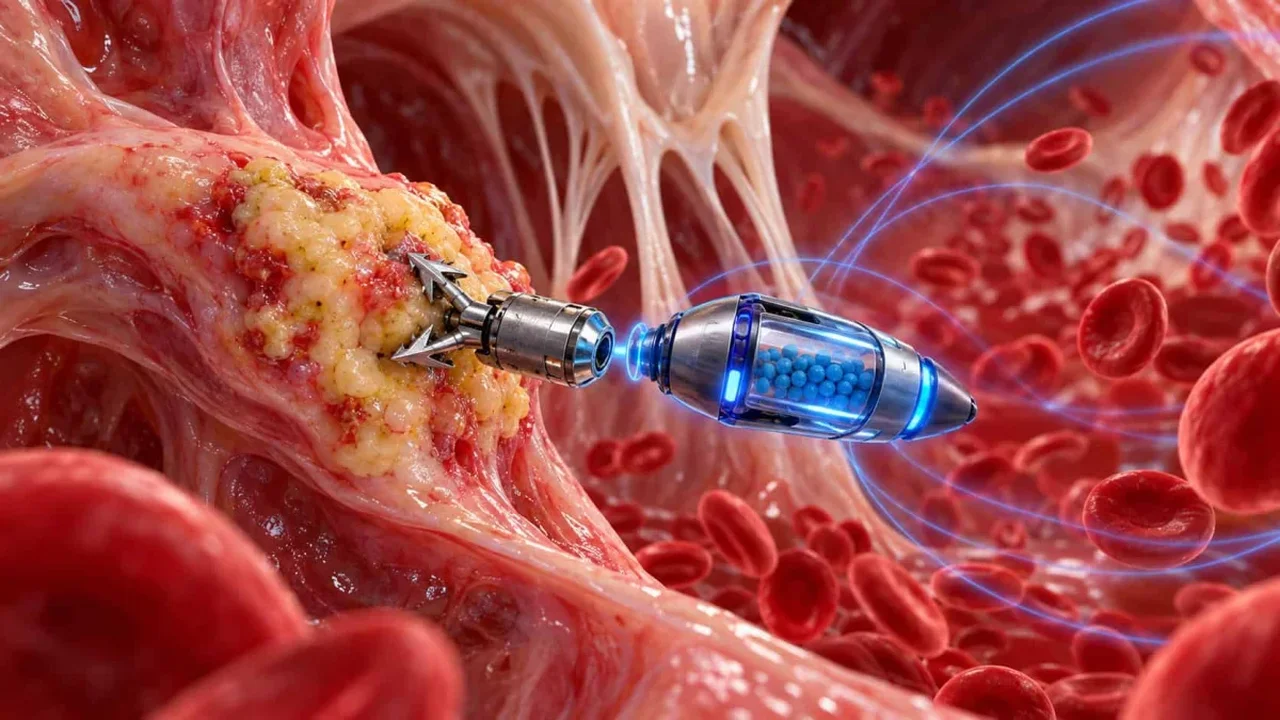
A collaborative research effort spearheaded by Leiden University Medical Centre in the Netherlands, alongside Monash University and other collaborators, has unveiled promising preclinical results published in Science Advances. The study highlights how IC7Fc notably decreased blood fats, specifically triglycerides, and cholesterol levels in mice genetically predisposed to heart disease.
Reduced Cholesterol and Artery Damage
The findings indicate that IC7Fc plays a crucial role in minimizing the accumulation of fatty plaques within blood vessels while also alleviating inflammation. These mechanisms are vital in preventing heart attacks and strokes, marking them as essential targets in the fight against cardiovascular disease.
Leading the research at the Monash Institute of Pharmaceutical Sciences (MIPS), Professor Mark Febbraio has been instrumental in the ongoing development of IC7Fc as a potential solution for metabolic disorders.
"Our previous studies indicated that IC7Fc could assist in managing type 2 diabetes, a significant metabolic condition. This latest research reveals its potential to also mitigate atherosclerosis, thereby slowing the 'clogging' of arteries caused by fatty deposits that hinder blood flow to the heart," stated Professor Febbraio.
He further emphasized, "Heart disease continues to be the leading cause of death globally, primarily due to atherosclerosis. Despite existing treatments aimed at lowering blood pressure and cholesterol, many individuals remain at risk, underscoring the necessity for ongoing research."
Varied Effects in Lean and Obese Mice
Earlier investigations showed that IC7Fc effectively reduced appetite and body fat in obese mice. However, the current study concentrated on lean mice genetically inclined to high cholesterol and arterial issues, revealing that the drug did not influence their body weight or food consumption.
This distinction implies that the weight loss benefits of the drug may be particularly pertinent for individuals with obesity, while its cardiovascular advantages, such as decreasing cholesterol accumulation in arteries, could also benefit those who are not overweight.
Prospects for a Dual-Action Therapy
In summary, the research suggests that IC7Fc could serve as a versatile treatment option addressing multiple health concerns, emphasizing the importance of further trials in human subjects.
"These findings imply that IC7Fc might provide a dual advantage--helping to reduce obesity in some individuals while simultaneously safeguarding heart health in others," remarked Professor Febbraio.
"This marks an exciting advancement towards a treatment that targets both metabolic and cardiovascular diseases."