Archaeologists have uncovered a vast prehistoric sanctuary near Tiel in the Netherlands, where burial mounds, paths and carefully positioned features may have helped people track the solar year. The site, dating back around 4,000 years, has been likened to Stonehenge, though it was built largely from earth and wood rather than towering stones.
A landscape aligned with the sun
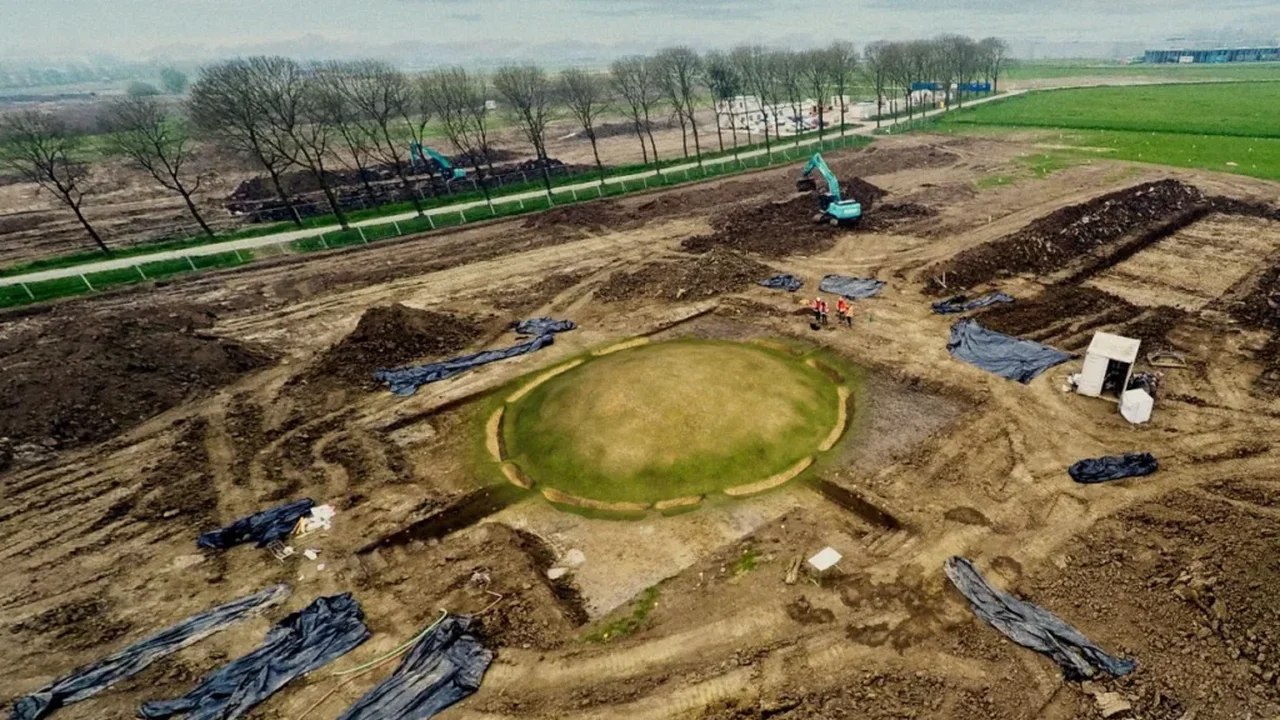
The sanctuary covered about four hectares and included three burial mounds, ditches and rows of wooden posts. The largest mound, around 20 metres wide, was encircled by a ditch with ten openings. Some of these appear to have aligned with the sunrise or sunset on significant dates.
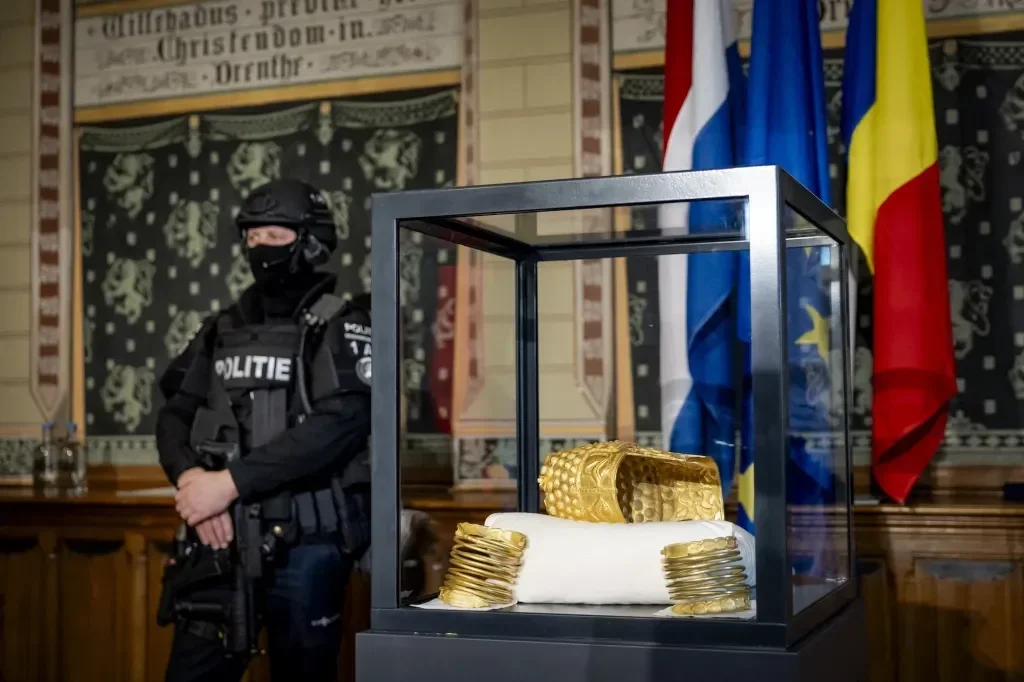
Other features across the site also followed solar alignments. One line associated with the winter-solstice sunrise led toward a bronze spearhead, while another pointed to a pit containing two cattle skulls. These patterns suggest the complex may have functioned as a solar calendar, helping mark seasonal changes that mattered for ceremonies and farming.
Rituals, burials and distant connections
Archaeologists documented human burials and cremations, animal remains and valuable objects, indicating that the sanctuary served several purposes over many centuries. The two largest mounds were used from about 1950 BC to 1200-1100 BC, and each held the remains of roughly 30 people.
A glass bead found in a burial is believed to have originated in Mesopotamia, thousands of kilometres away. Its presence points to far-reaching networks through which objects could pass from community to community.
The sanctuary's structures are no longer visible above ground, but finds from the wider excavation area are presented at the Flipje and Streekmuseum in Tiel. By studying the site's alignments and artifacts, researchers can better understand how ancient communities connected the movements of the sun with agriculture, ritual and beliefs about life and death. Such discoveries may continue to reshape how we understand early societies' knowledge of time and the natural world.