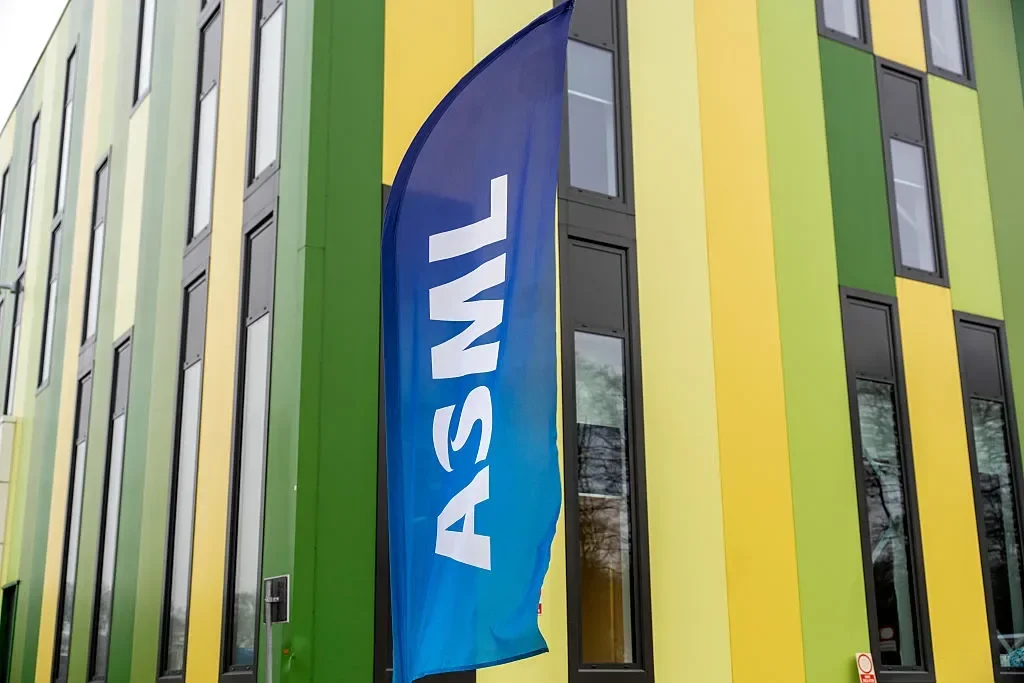
Europe's semiconductor sector is drawing fresh attention as Dutch officials press Washington to reconsider a proposed bill that could reshape global chip supply chains. The measure, known as the MATCH Act, would tighten access to Western chipmaking equipment for Chinese manufacturers and could have a major impact on ASML.
During meetings in Washington, Dutch Trade Minister Sjoerd Sjoerdsma raised concerns with Commerce Secretary Howard Lutnick and lawmakers, arguing that the proposal could affect one of Europe's most strategic technology companies. ASML, headquartered in the Netherlands, is the world's only producer of advanced lithography systems used to manufacture cutting-edge AI chips.
China represents 19% of ASML's net system sales, making the market especially important for the company's business outlook. The bill would go beyond current restrictions by also limiting sales of deep ultraviolet immersion machines, not just ASML's most advanced extreme ultraviolet tools, which are already barred from China.
According to ASML CEO Christophe Fouquet, the equipment currently sold to China is older-generation DUV technology that has been in use for years. The proposed legislation would extend those limits further, adding a new layer to an already complex global semiconductor landscape.
Introduced in April, the bill has not yet reached a full vote in the House or Senate. Its future may depend on whether it is attached to a broader legislative package. The debate highlights how semiconductor policy is becoming a central force in the next era of advanced manufacturing and digital innovation.