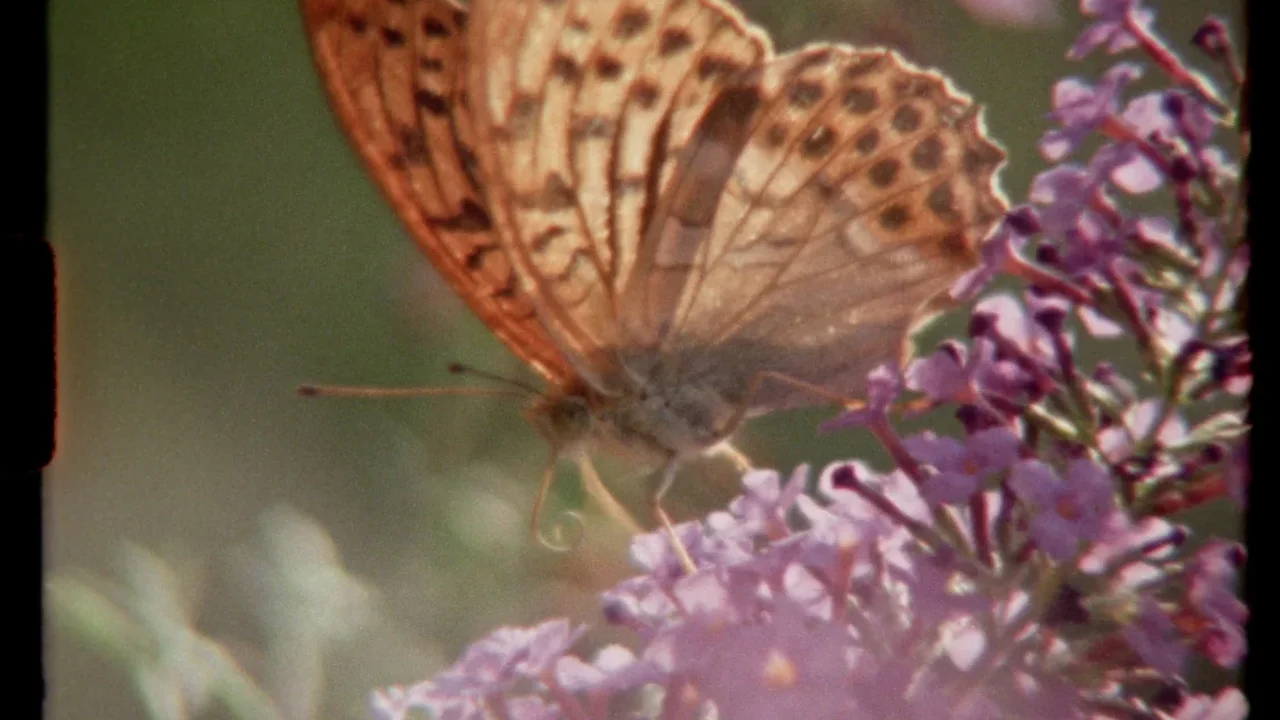
A new collaborative film project is bringing the tactile charm of Super 8 back into focus. Led by filmmaker Ed Sayers, the work gathers 40 contributors from 25 countries across five continents to build a shared portrait of the natural world.
Rather than sending crews on a global expedition, the project invites participants to film from their own surroundings. The result is a mosaic of intimate moments featuring people, wildlife, and landscapes, all captured on the same analog format that Kodak introduced in 1965 for home and independent filmmaking.
A collective approach to storytelling
Among the contributors are photographers Gideon Mendel and Ami Vitale, along with members of the Enawene Nawe community in Brazil. Sayers also brought in filmmakers from the straight 8 network and collaborators connected through Greenpeace, giving the project a broad range of voices and perspectives.
Many participants were new to the format, so cameras were sent out with remote guidance to help them learn the basics. That process became part of the film's identity: spontaneous, personal, and shaped by the limitations and rhythm of film stock.
Why analog still resonates
The project's appeal lies in its deliberate pace. With only a few minutes per roll, Super 8 encourages careful observation and sharper creative choices. In an era defined by instant digital capture, that slower method gives each frame a stronger sense of intention.
By weaving together underwater scenes, aerial views, and land-based imagery, the film creates a unified experience rooted in place and connection. Multiple languages and accents also add to its global texture, reinforcing the idea that nature can be seen through many cultural lenses.
Now screening in the U.K. and Ireland, the film highlights how analog filmmaking can feel newly relevant. It suggests a future where slower tools continue to inspire deeper, more human forms of visual storytelling.