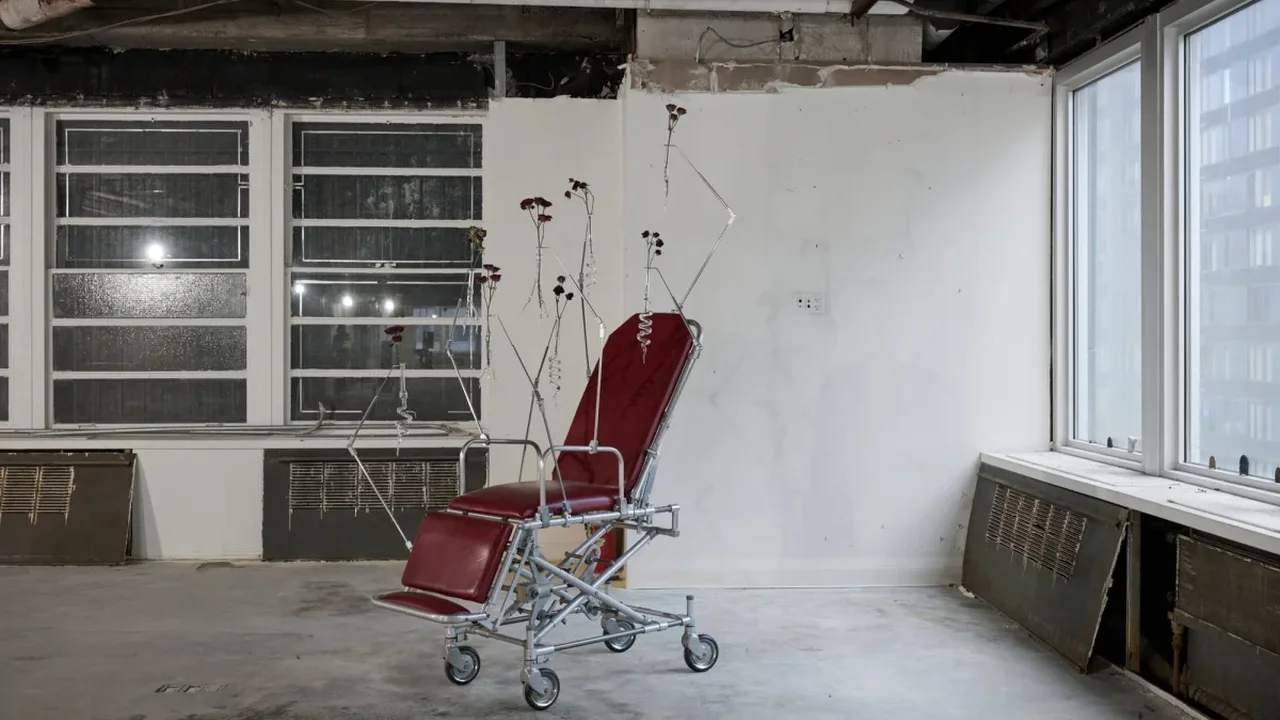
An unused office floor in Midtown Manhattan has become the setting for 260 Madison, an exhibition bringing together more than 50 artists across generations and disciplines. Curated by Shaina Tabak, Dayana Matesheva and Edison Niebla Rodríguez, the show opened on September 24 in a 23,000-square-foot space temporarily made available by real estate company AmTrustRE. It runs through November 22.
Rather than conceal the building's unfinished interiors, the curators made them part of the experience. Exposed vents, concrete floors and traces of former tenants meet sculptures, installations and digital works. Some pieces respond directly to the site: Ivana Dama uses the building's air vents in a sound work, while Matt Mullican created a large-scale drawing mapping ideas from his decades-long practice.
Art at the intersection of craft and technology
The exhibition explores how technology shapes everyday life, from algorithms and online culture to handmade objects and longstanding tools. Works by artists including Jon Kessler and Theresa Tomi Faison engage with digital systems and the flow of information, while other installations combine mechanical elements, found materials and traditional craft.
Several works also consider technology as a means of care and connection. Kylie Mitchell, for example, repurposes electronic components and a solar-powered robot to move a bird's nest toward a heat lamp. The mix of approaches reflects the curators' broad view of technology--not only as digital innovation, but as something embedded in human making and communication.
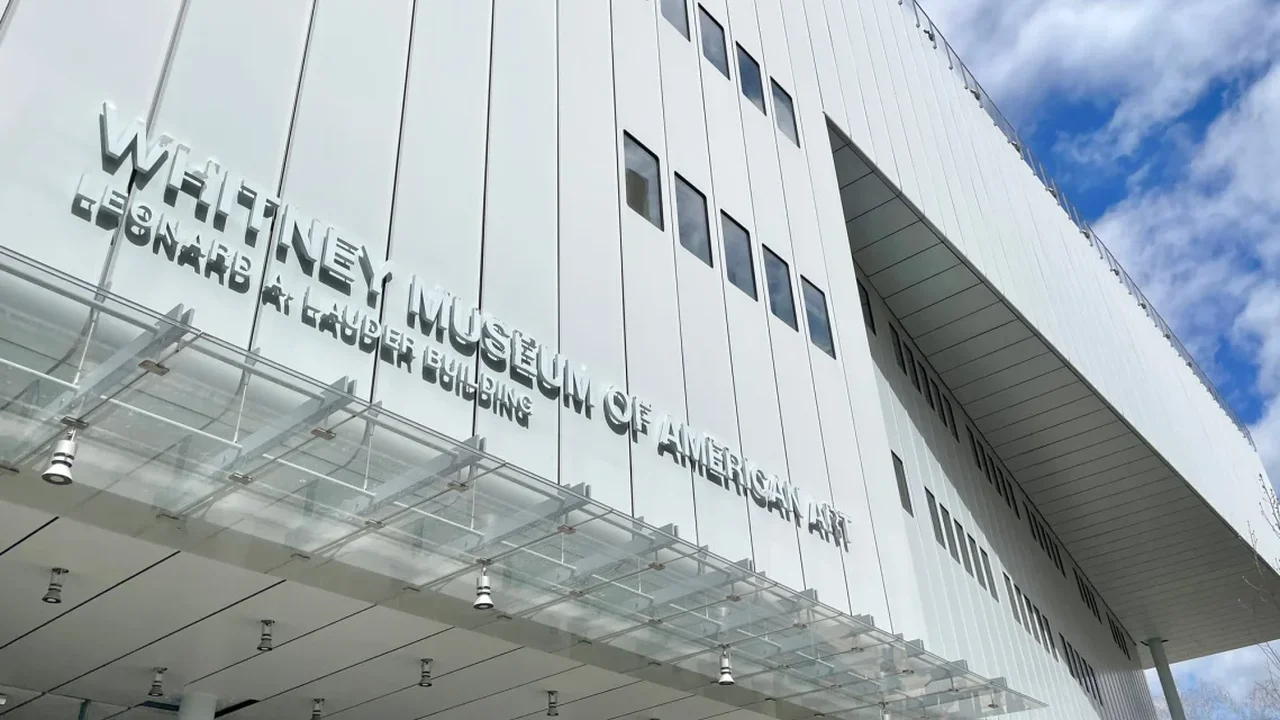
The show's emphasis on internet-born art coincides with renewed institutional attention to the field, including a Whitney Museum of American Art exhibition marking 25 years of its artport platform. 260 Madison suggests that unconventional spaces can give artists room to bring digital and material practices into conversation. Such temporary uses of vacant buildings may help shape more flexible, accessible models for presenting art in the future.