Canadian student Moroti Adegboyega has turned a bold idea into a working prototype: an autonomous robot that uses artificial intelligence and a magnetic liquid to help remove plastic from water. His project, Ecoferroquatics, earned the 2026 Stockholm Junior Water Prize, a global competition that highlights young problem-solvers in water science.
A new approach to plastic cleanup
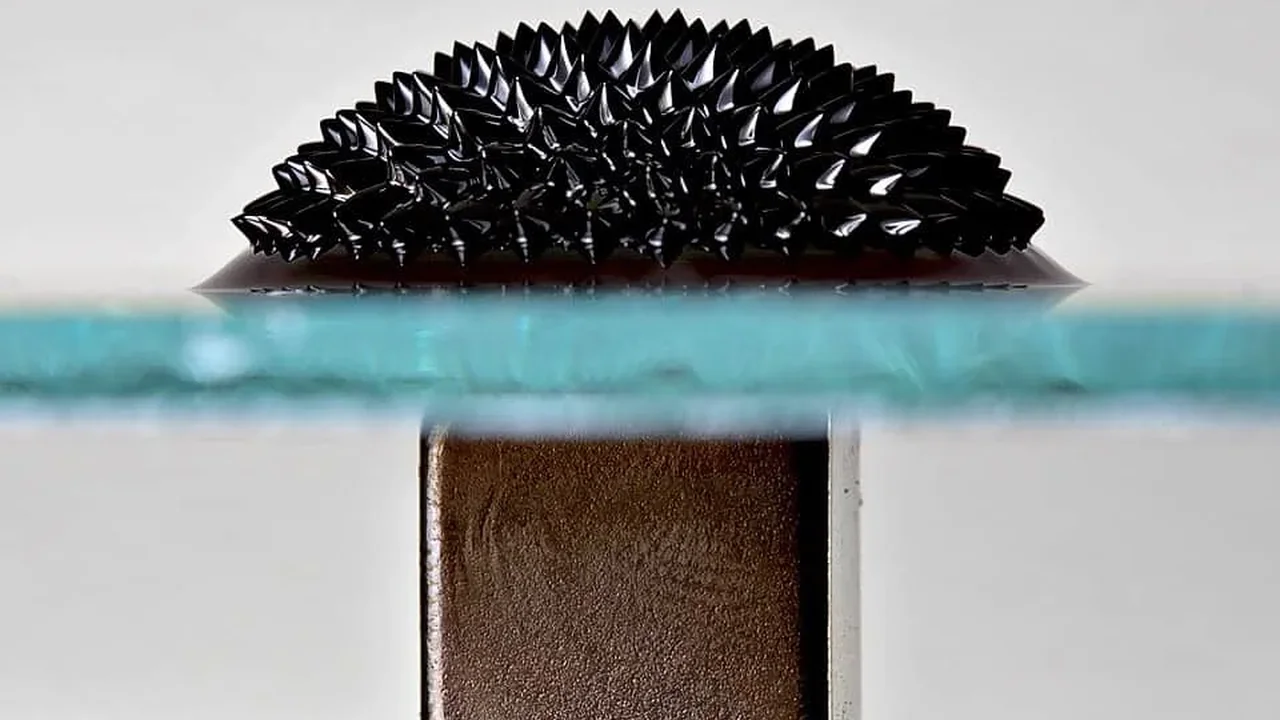
Instead of simply collecting debris, Adegboyega's system first identifies plastic in the water, then coats it with a ferrofluid made from magnetite nanoparticles, oleic acid and vegetable oil. A magnetic drum lifts the coated material out of the water and into a collection bin. The concept is designed to address a major challenge in pollution control: capturing tiny plastic fragments without gathering everything else around them.
The prototype weighs 1.42 kilograms and includes a camera, a Raspberry Pi computer, an ESP32 microcontroller and motors. Its body was digitally designed and 3D-printed with carbon-fibre-infused PETG. Rather than using a propeller, the robot moves with paddles, giving it a more controlled path through the water.
How the system works
Onboard computer vision analyzes the scene, estimates where plastic is located and guides the robot toward it. Once the plastic reaches the front of the machine, the ferrofluid-coated drum helps pull it upward for collection. In tests, the robot removed 51.85% of the plastic overall and averaged 1.73 pieces per minute.
The results also showed promise for smaller particles, where the robot performed better than a coarse sieve in Adegboyega's trials. While the prototype still faces real-world challenges such as glare, waves and mixed debris, it points to a more flexible model for future cleanup systems.
Moroti Adegboyega's work reflects a growing trend in youth-led innovation, where robotics, materials science and AI come together to solve environmental problems. If developed further, this kind of technology could shape smarter, more targeted water-cleanup tools in the years ahead.