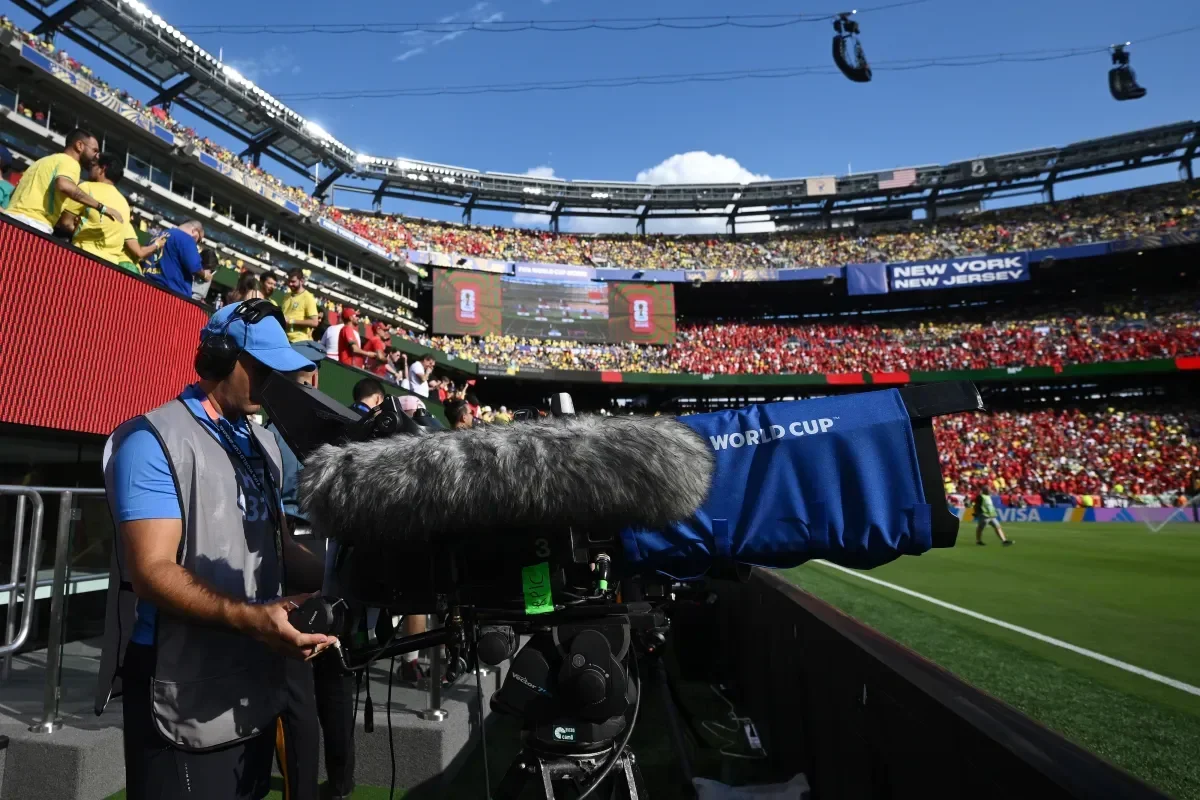
As the 2026 World Cup approaches, one of the tournament's biggest planning questions is not on the pitch but in the air. In Los Angeles, where matches will be played at SoFi Stadium, recent wildfire activity has already pushed air quality into advisory territory, highlighting how smoke can quickly become a factor for players and fans alike.
Health experts note that wildfire smoke can raise particulate levels fast, with effects ranging from throat irritation and coughing to headaches, especially for children, older adults, and people with respiratory conditions. The Air Quality Index is widely used to judge these conditions, and several North American sports leagues already rely on AQI-based thresholds to guide hydration breaks, postponements, or relocations.
By contrast, FIFA has not publicly outlined a clear air-quality trigger for match suspension or rescheduling. Its current tournament planning emphasizes heat protocols and general severe-weather preparedness, but smoke-specific standards remain unclear. That gap stands out as wildfire seasons grow longer and more widespread across North America.
Researchers and sports management experts say a practical response would include predefined AQI thresholds, flexible scheduling, and venue-by-venue contingency plans. Indoor stadiums with advanced filtration may offer some protection, but many World Cup sites are open-air venues and remain exposed to regional smoke drift.
With the tournament set to span multiple cities, the issue goes beyond one host location. It reflects a broader shift in how major sporting events may need to adapt to climate-driven conditions. In the years ahead, air quality planning could become as central to event design as heat management and crowd logistics.