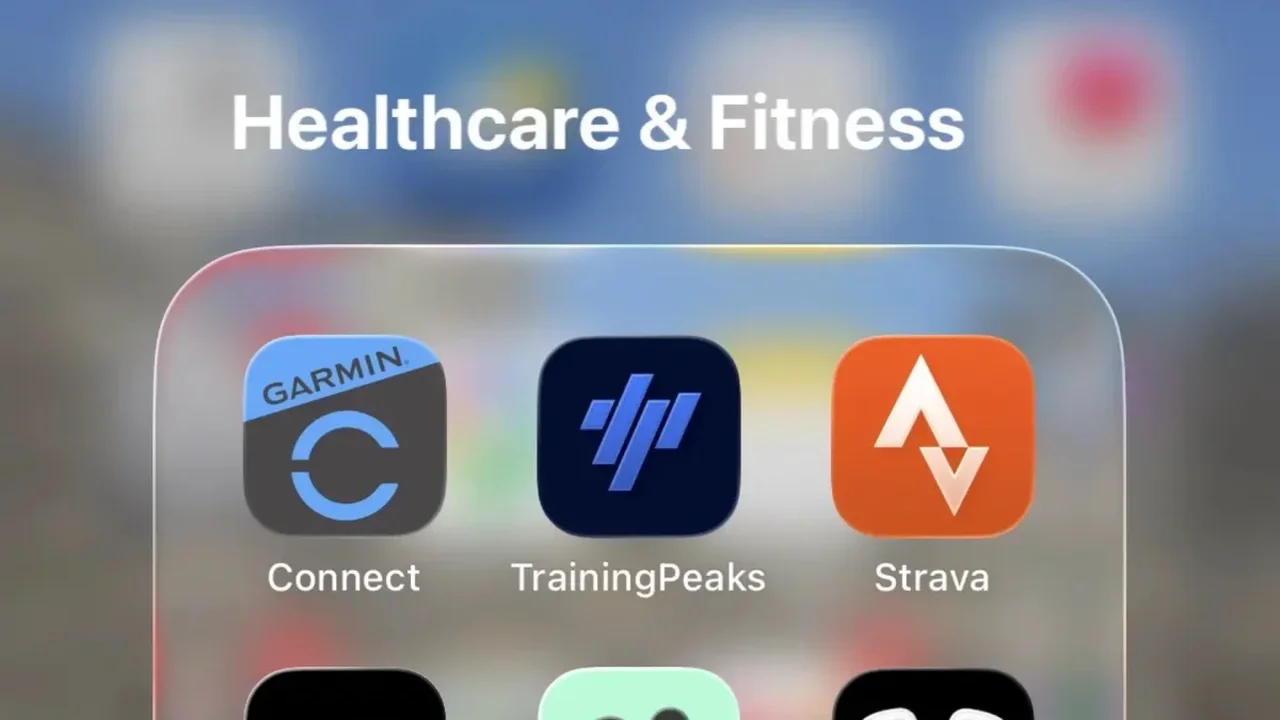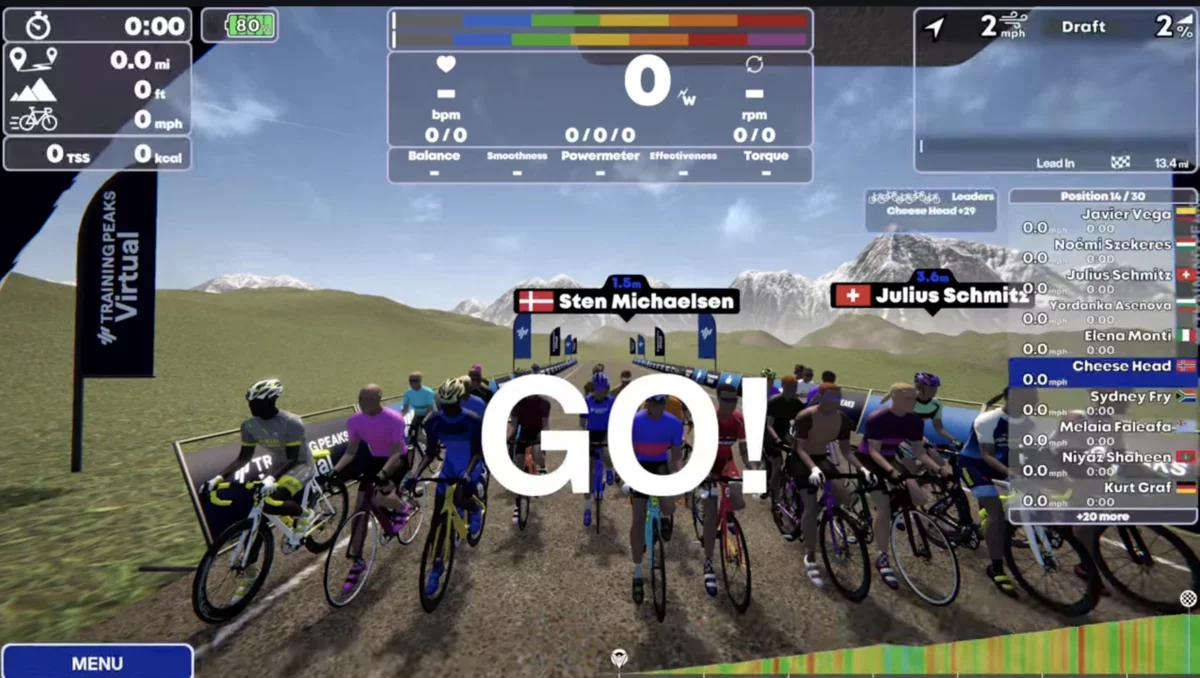
Wearable sweat sensors are drawing fresh interest in endurance sports, especially as athletes look for more precise ways to understand hydration. The latest example is the integration between TrainingPeaks and hDrop, which allows users to sync sweat loss, sodium loss, and hydration data alongside workout metrics such as pace, power, and heart rate.
Other devices in this growing market include Nix and FlowBio, while lower-cost options such as Gatorade's single-use sweat tests offer a simpler entry point. The appeal is clear: in theory, these tools can help athletes personalize fluid and electrolyte intake during training and competition.
Where the technology stands
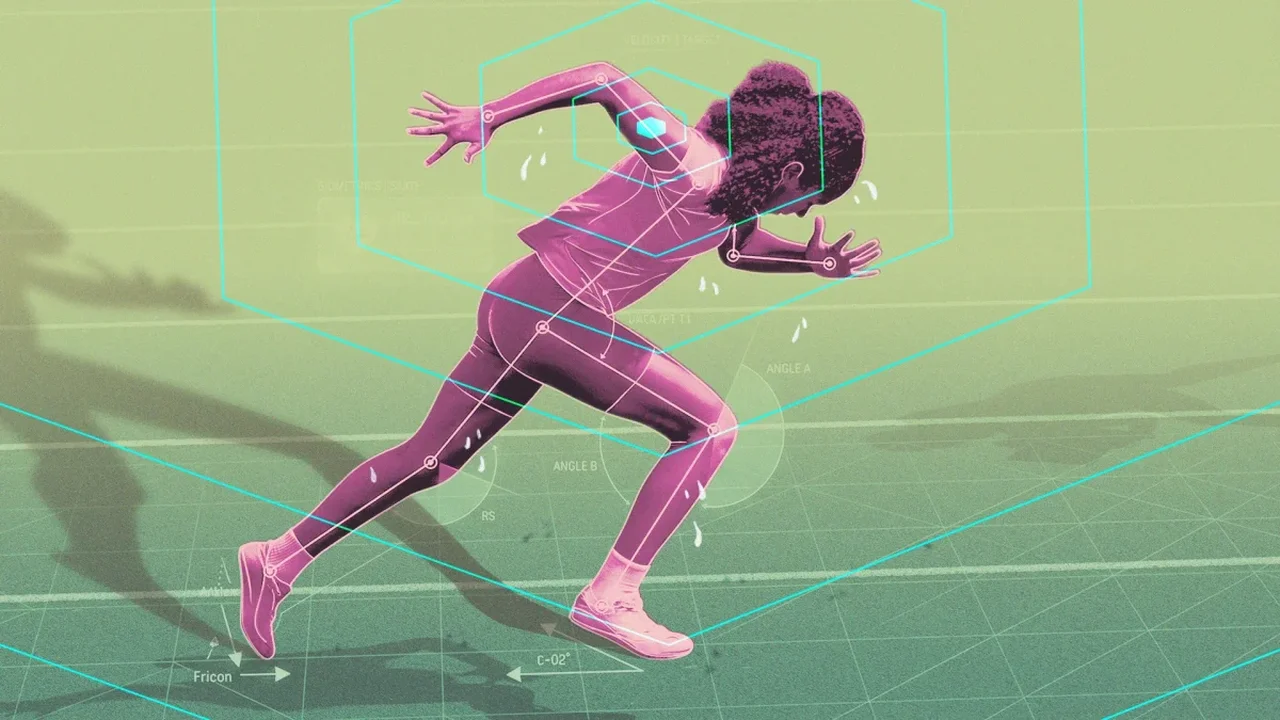
Scientific research suggests consumer sweat sensors still face major accuracy limits outside controlled lab settings. Sweat composition can shift with heat, diet, fitness, and acclimation, making it difficult to turn a small skin sample into a full-body estimate with high precision.
Device placement and skin contact also matter. Because sensors usually read only one area of the body, their data may not fully reflect sweat behavior across the torso, back, or scalp. Moisture, temperature, and movement can further affect readings, which makes real-world use more complex than the marketing suggests.
A practical approach for athletes
For most runners and cyclists, simple hydration tracking may still be the most useful option. Logging how sweat patterns change in humidity, over long sessions, or across different workouts can reveal helpful trends without requiring a dedicated wearable.
In short, sweat tech is an interesting step toward more personalized sports science, but it is not yet a complete replacement for lab-based testing. As the technology improves, it could become a more precise tool for smarter training and recovery in the future.