While the wider luxury sector has been adjusting to softer demand, major auction houses are posting standout results in watches, jewelry, and other high-end categories. The contrast is especially visible at Christie's, Sotheby's, and Phillips, where luxury sales have continued to climb through 2025 and into 2026.
Christie's reported that luxury sales rose 30 percent year on year in the first half of 2025 to $468 million, then advanced again to $539 million in the first half of this year. Sotheby's reached a record $2.7 billion in luxury sales in 2025, representing about 39 percent of its total annual sales. Phillips also posted a record spring season for watches, with sales across Geneva, New York, and Hong Kong surpassing $235 million.
The broader luxury market tells a different story. Bain & Company estimates that 50 million customers left the market between 2022 and 2024, reflecting a major shift in consumer behavior. Yet auction houses are operating in a narrower space, focused on rare objects, exceptional provenance, and categories where scarcity matters more than volume.
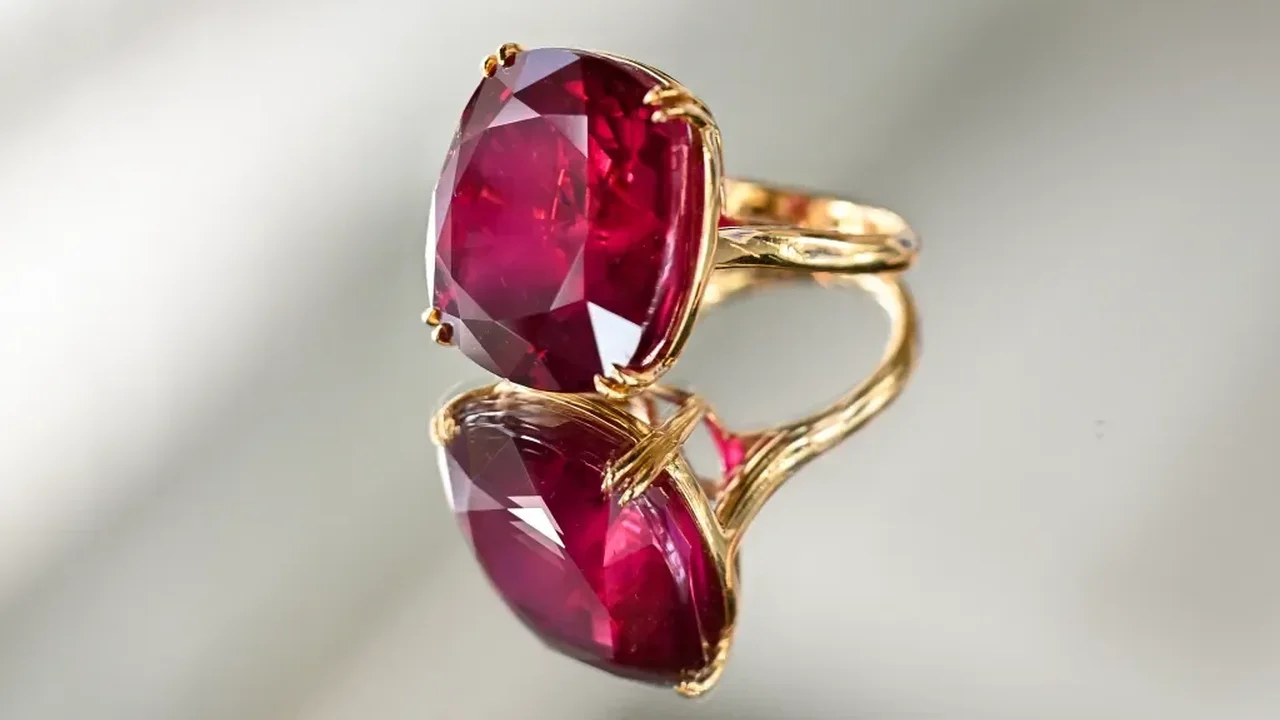
According to Max Fawcett, Christie's global head of jewelry, the auction world is not simply absorbing displaced luxury shoppers. Instead, it is benefiting from a split in spending habits: aspirational buyers have become more selective, while the wealthiest collectors continue to pursue one-of-a-kind pieces. In jewelry and watches, that often means antique creations, historic stones, and items no longer available through traditional retail channels.
Christie's is also seeing more buyers move from brand boutiques to auctions after discovering the value and rarity available on the secondary market. Sotheby's, meanwhile, has expanded its luxury experience model with curated travel, private tastings, and cultural programs designed for top clients. These offerings show how auction houses are blending commerce with access, expertise, and lifestyle.
The trend is also drawing in younger audiences. At Christie's, 38 percent of new buyers in 2025 made their first purchase through a luxury category rather than art, while Phillips said nearly a third of its spring bidders and buyers were millennials or Gen Z. That suggests luxury is becoming a gateway into the auction ecosystem itself.
For now, auction houses appear to be thriving in a more concentrated and resilient corner of the market. If that pattern continues, luxury auctions could become an even more influential bridge between collecting, culture, and the next generation of high-end buyers.