This year's Whitney Biennial emphasizes "the greater United States," a concept introduced by historian Daniel Immerwahr. This term extends beyond the 50 states to include occupied territories and military bases, challenging traditional notions of American identity. As the nation approaches its 250th anniversary, the 2026 Biennial takes a fresh perspective, moving away from mere identity politics to a deeper exploration of infrastructure and its implications.
Curators Marcela Guerrero and Drew Sawyer have thoughtfully included artists from various regions, including US-occupied lands like Okinawa and Afghanistan, and countries where the US has historically intervened, such as Chile and Palestine. This shift in focus is both timely and timeless, reflecting on systemic issues while encouraging a broader dialogue about art's role in societal change.
Importantly, the Biennial showcases artists who address various systems--economic, legal, healthcare, and civic--highlighting their interconnectedness and fragility. From Ignacio Gatica's exploration of economic structures to Andrea Fraser's reflections on familial bonds, the exhibition reveals how these systems often falter under pressure.
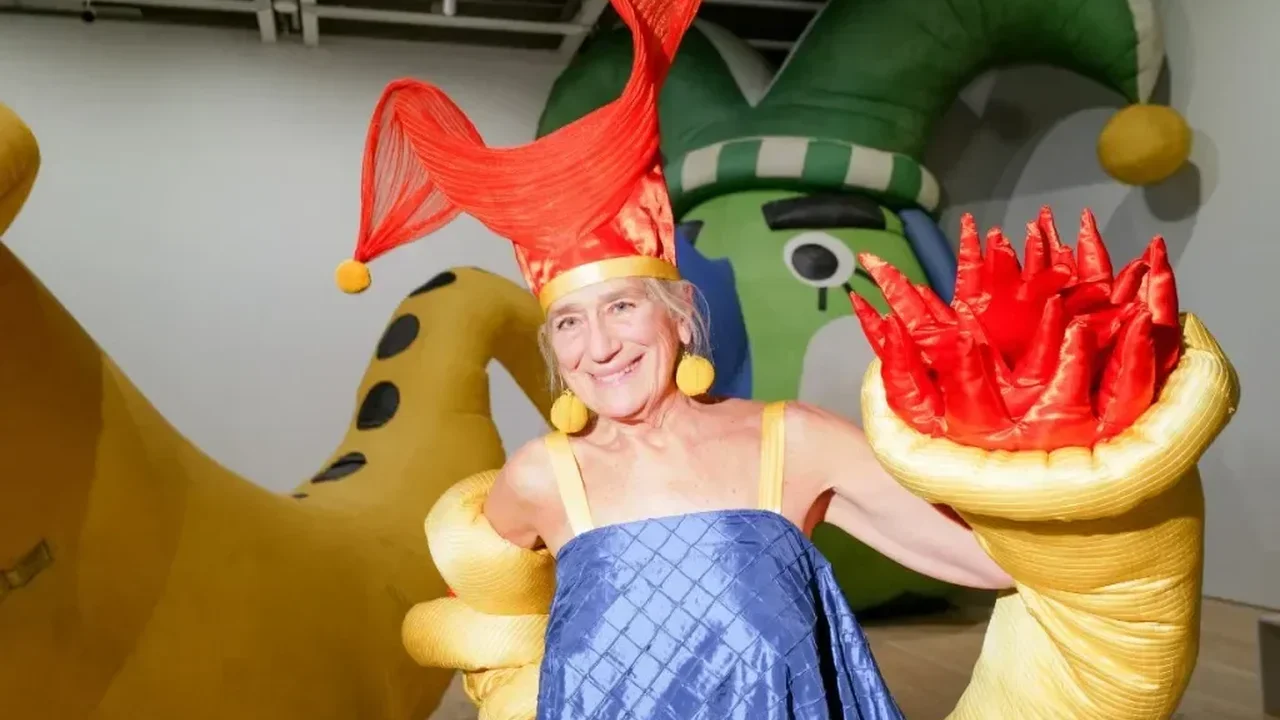
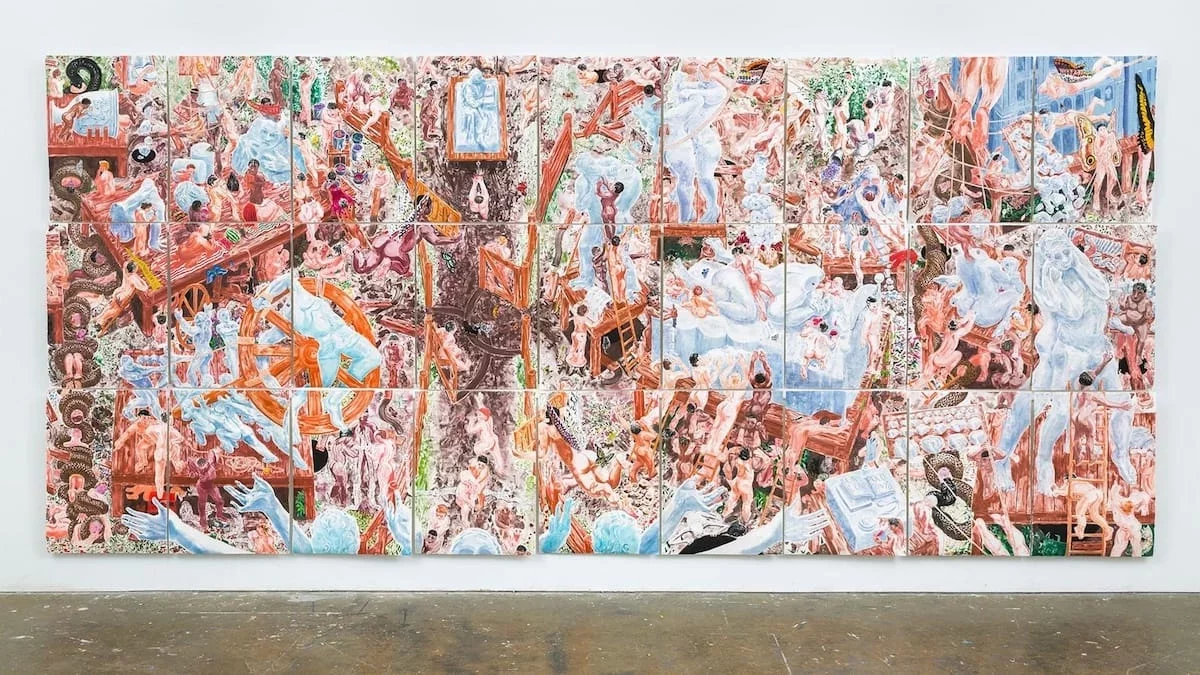
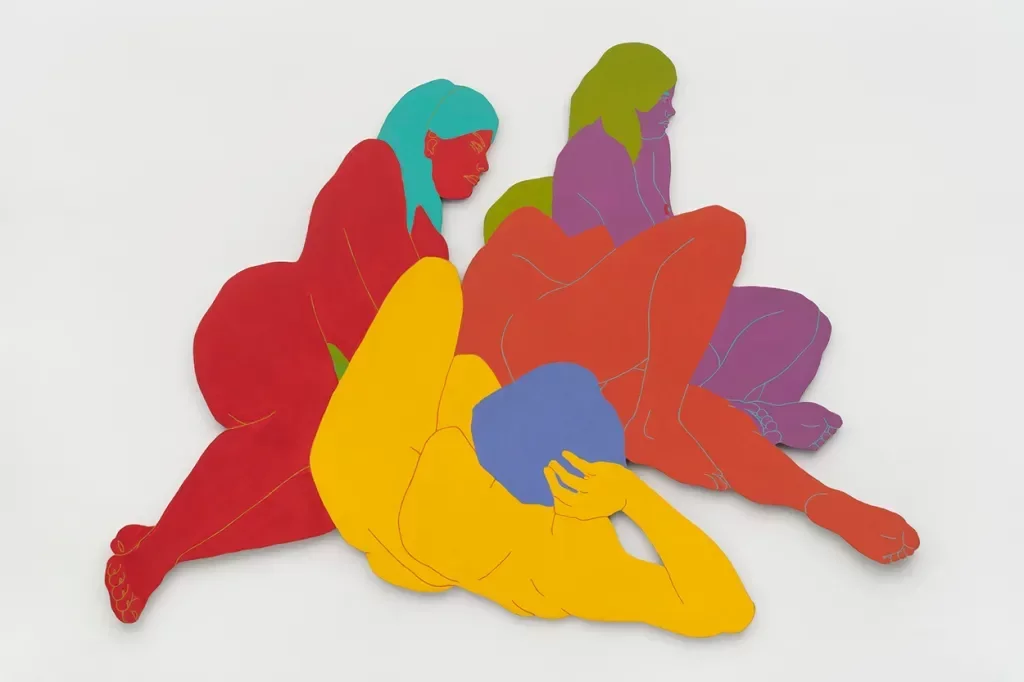
While some might perceive these themes as bleak, the Biennial also embraces a sense of playfulness and irreverence. Works by artists like Pat Olezsko and Precious Okoyomon inject humor and warmth, creating an emotional resonance that balances the more serious undertones of the exhibition. This juxtaposition mirrors the complexities of modern life, where joy and sorrow coexist.
Art serves as a powerful medium to illuminate the often-invisible infrastructures that shape our world. For instance, Sung Tieu's installation translates the sounds of fracking into palpable vibrations, while Basel Abbas and Ruanne Abou-Rahme offer an immersive experience that personalizes narratives of conflict.
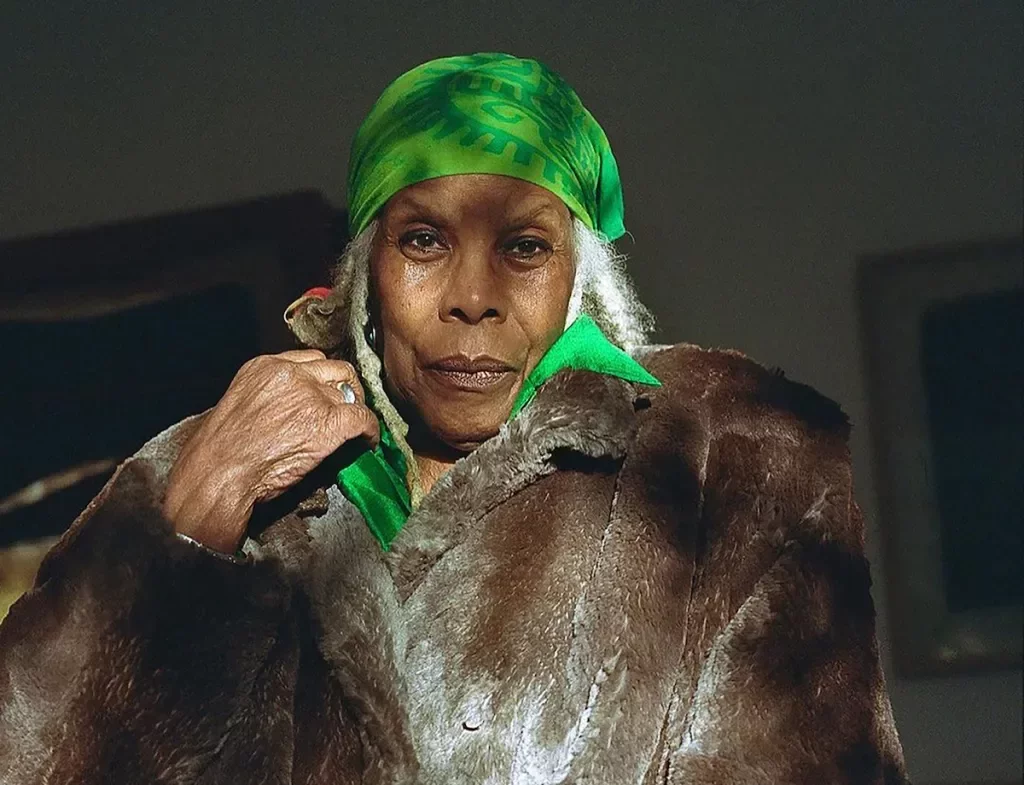
A poignant thread throughout the Biennial is the theme of care, as seen in the works of artists like Mo Costello and Agosto Machado, who honor their communities and loved ones through their art. This focus on care extends beyond individual relationships to encompass broader societal responsibilities, challenging viewers to reconsider how they engage with one another.
Ultimately, the Whitney Biennial invites us to reflect on the systems we inhabit and the potential for transformation. David L. Johnson's provocative installation, which removes restrictive signage from public spaces, encourages a rethinking of urban governance and individual agency. In doing so, the Biennial serves as a clarion call for collaboration and innovation, emphasizing that while systems may be crumbling, they also present opportunities for revolutionary change.