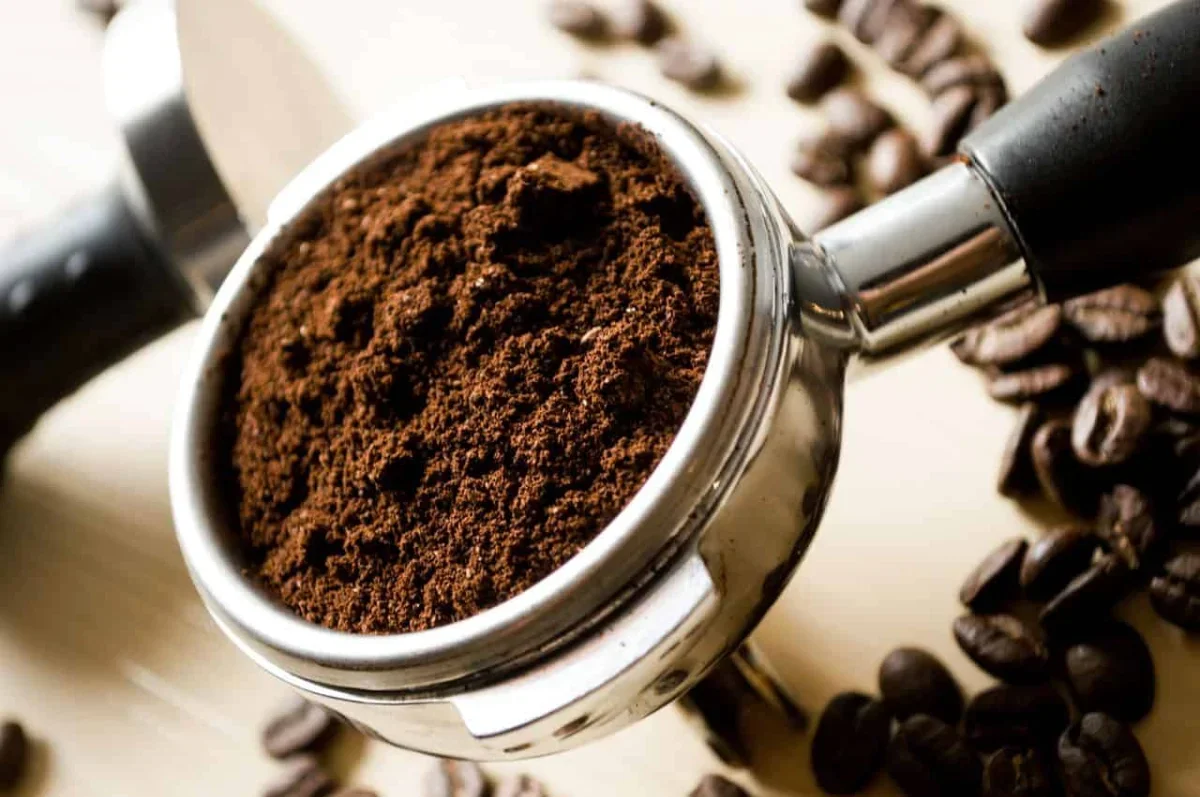
Scientists in South Korea have unveiled a fast new way to turn spent coffee grounds into a carbon-rich fuel, showing that a common waste stream can be transformed into a useful energy material in just 90 seconds.
Each year, millions of tons of used coffee grounds are discarded, even though they still contain valuable energy. A research team from the Korea Institute of Geoscience and Mineral Resources and GodTech Co., Ltd. developed a method that skips the usual drying step, which has long made coffee-waste recycling slow and costly.
A Faster Route to Biochar
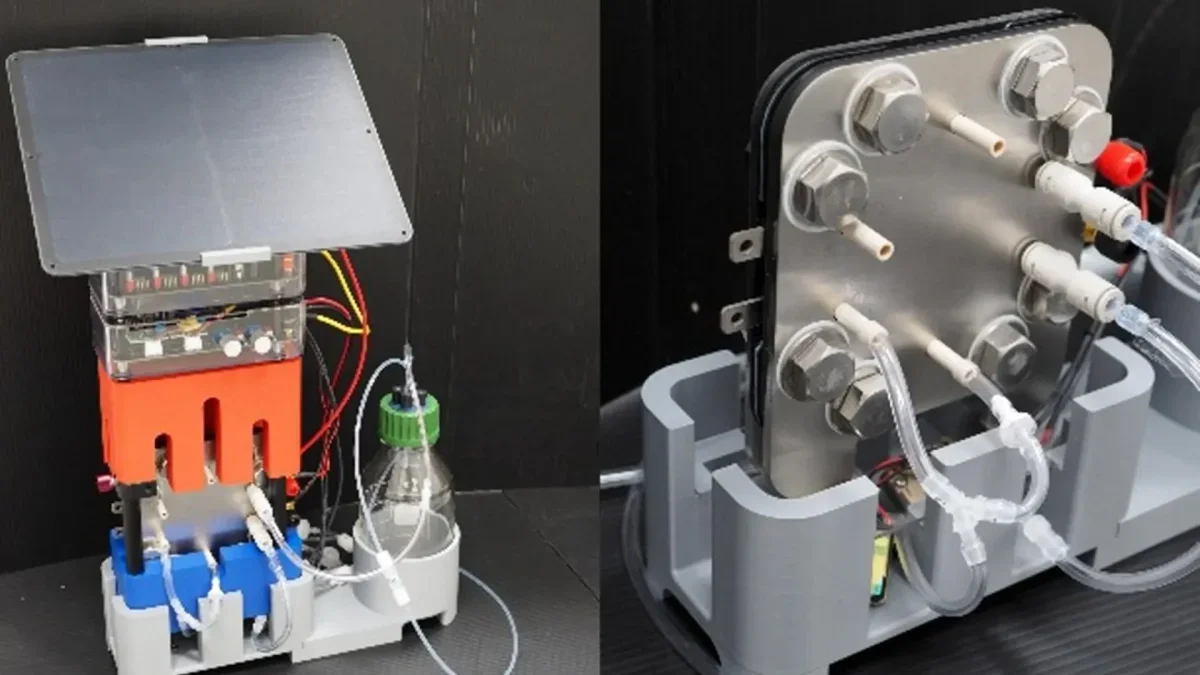
The process, called Flame Plasma Pyrolysis, uses a high-temperature plasma flame created with liquefied petroleum gas and compressed air. Instead of being a problem, the moisture inside the coffee grounds helps drive the transformation. As the water heats up, steam pressure breaks the particles apart, opening tiny pores and speeding up carbonization.
At the optimal 90-second mark, the material lost 83.3% of its mass and became a biochar with a heating value of 29.0 megajoules per kilogram. That is about one-third higher than untreated coffee grounds and close to anthracite coal in energy performance. The treatment also raised fixed carbon content sharply and removed sulfur, which can help reduce emissions during combustion.
Another notable result was the dramatic rise in surface area, from 1.5 to 115.4 square meters per gram. That makes the material promising not only as a solid fuel, but also as a base for activated carbon and industrial adsorbents.
Designed for Wet Waste Streams
Unlike many conventional biomass methods, this approach works directly on wet material and finishes far faster than hydrothermal carbonization or torrefaction. The researchers say the compact system could eventually be adapted for other moist organic wastes, including food scraps, sewage sludge, and agricultural residues.
Published in the Chemical Engineering Journal, the study points to a future where everyday waste can be converted into energy and materials with greater speed and efficiency. This could help shape more decentralized and resource-smart waste-to-energy systems in the years ahead.