Across the United States, several water utilities have recently faced coordinated cyber incidents, drawing fresh attention to the digital security of essential infrastructure. The cases, reported in multiple states, have raised questions about how exposed local systems can be when connected to the internet.
What is known so far
In Minnesota, authorities said water treatment plants in more than 30 communities were affected. The FBI later noted that utilities in at least seven states had reported incidents, with some operations temporarily disrupted. Additional reports have emerged from Arkansas, Georgia, New Jersey, and Michigan.
While the exact attribution has not been publicly confirmed, U.S. cybersecurity officials had previously warned that Iranian-linked actors were targeting internet-facing devices in the water and energy sectors. That warning, updated before the Minnesota incidents, has made the recent wave of activity especially notable.
Why the issue matters
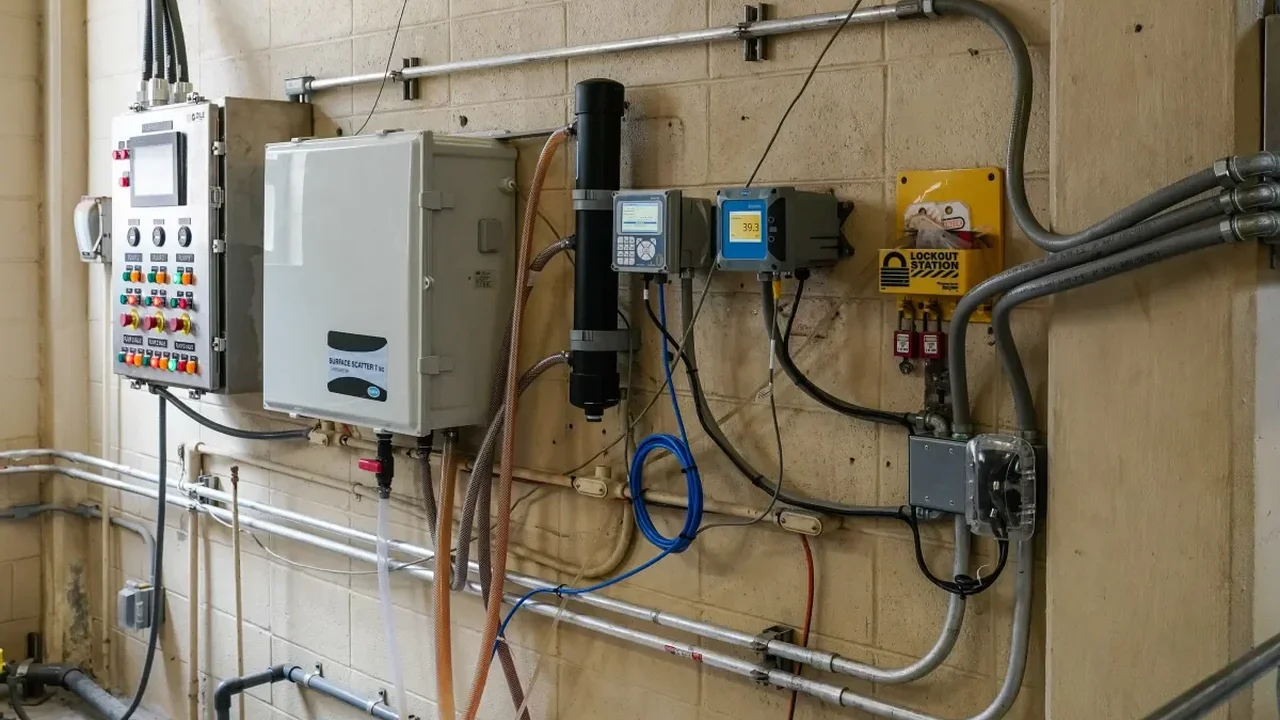
The U.S. has more than 150,000 public water systems, many of them managed by local providers with limited cybersecurity resources. That creates a complex protection challenge: the network is highly distributed, but some exposed controllers and devices can still be discovered online.
Security researchers have identified thousands of internet-exposed controllers in water systems, showing how even small facilities can become visible targets. In a few cases, the incidents led to brief service interruptions, pressure loss, precautionary boil-water notices, or temporary shutdowns of treatment plants.
Beyond the technical impact, the broader effect has been public concern around a service people rely on every day. The episode highlights how cybersecurity is now inseparable from the resilience of basic civic infrastructure. As defenses improve, water systems may become a model for how communities secure essential services in the digital era.