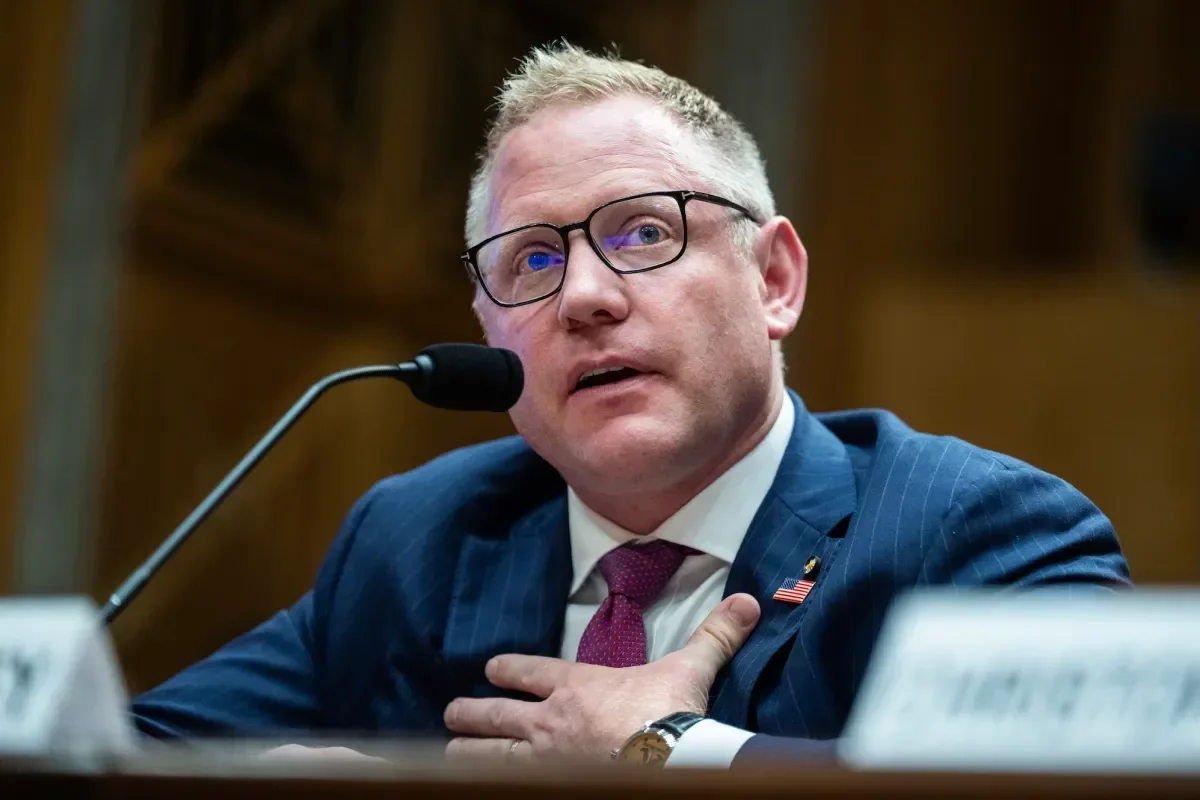
In a significant turn of events, Sean Plankey, selected by former President Trump to lead the U.S. Cybersecurity and Infrastructure Security Agency (CISA), has opted to withdraw his nomination. This decision leaves the agency in search of stable leadership amidst ongoing challenges.
Plankey communicated his request to the White House through a letter, highlighting delays in the Senate's confirmation process as a key reason for his withdrawal. He noted that it had become evident that securing the necessary Senate approval was unlikely, more than a year after his initial nomination.
Reports indicate that Plankey faced opposition primarily from Senator Rick Scott (R-FL), who was blocking the nomination due to concerns unrelated to cybersecurity, specifically linked to a Coast Guard contract. Plankey previously held a senior advisory role within the Coast Guard.
Currently, Nick Andersen serves as the acting director of CISA, stepping in following the departure of Madhu Gottumukkala earlier this year. Gottumukkala had been appointed temporarily but left after a challenging tenure.
CISA, established by Congress, is responsible for safeguarding cybersecurity and protecting infrastructure across the federal government. The agency has encountered a tumultuous period, marked by budget cuts and staff reductions, which have further complicated its operations. This situation has unfolded against a backdrop of increasing cyber threats targeting the U.S. and its allies.
Despite these challenges, the agency's mission remains critical, particularly as it navigates the complexities of modern cybersecurity threats. The withdrawal of Plankey's nomination raises questions about the future leadership of CISA and the agency's ability to effectively address these pressing issues.
As the search for a new permanent director begins, the importance of resilient cybersecurity measures becomes ever more apparent. This leadership transition could pave the way for renewed strategies and innovations in defending against cyber threats, ultimately shaping the future landscape of U.S. cybersecurity.