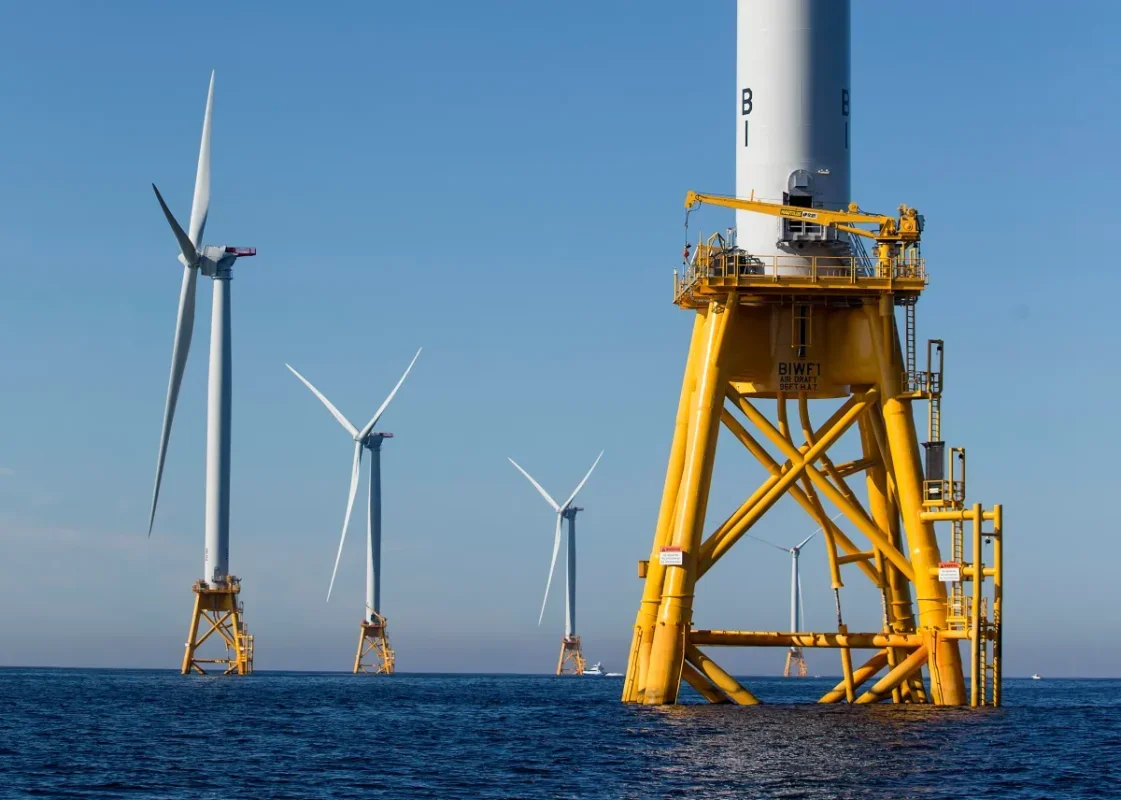
New permitting hurdles in the United States are putting a large wave of clean energy projects under pressure just as electricity demand climbs sharply from AI-driven data centers. A Wood Mackenzie study says the policy shift could affect up to 92 gigawatts of planned capacity.
According to the report, changes in federal review and funding have already contributed to the cancellation of 7 gigawatts of generation on federal land in 2025. Another 12 gigawatts on federal property and 80 gigawatts on private land could also face delays or cancellation if scrutiny continues.
The study estimates that more than $121 billion in energy investment is now exposed to regulatory uncertainty. At the same time, electricity use is rising after years of flat demand, with data centers expanding rapidly to support artificial intelligence services.
Market forecasts from BloombergNEF suggest data center power consumption could nearly triple by 2035. In response, grid operators are being pushed to speed up connection queues, but new generation remains the key bottleneck in many regions.
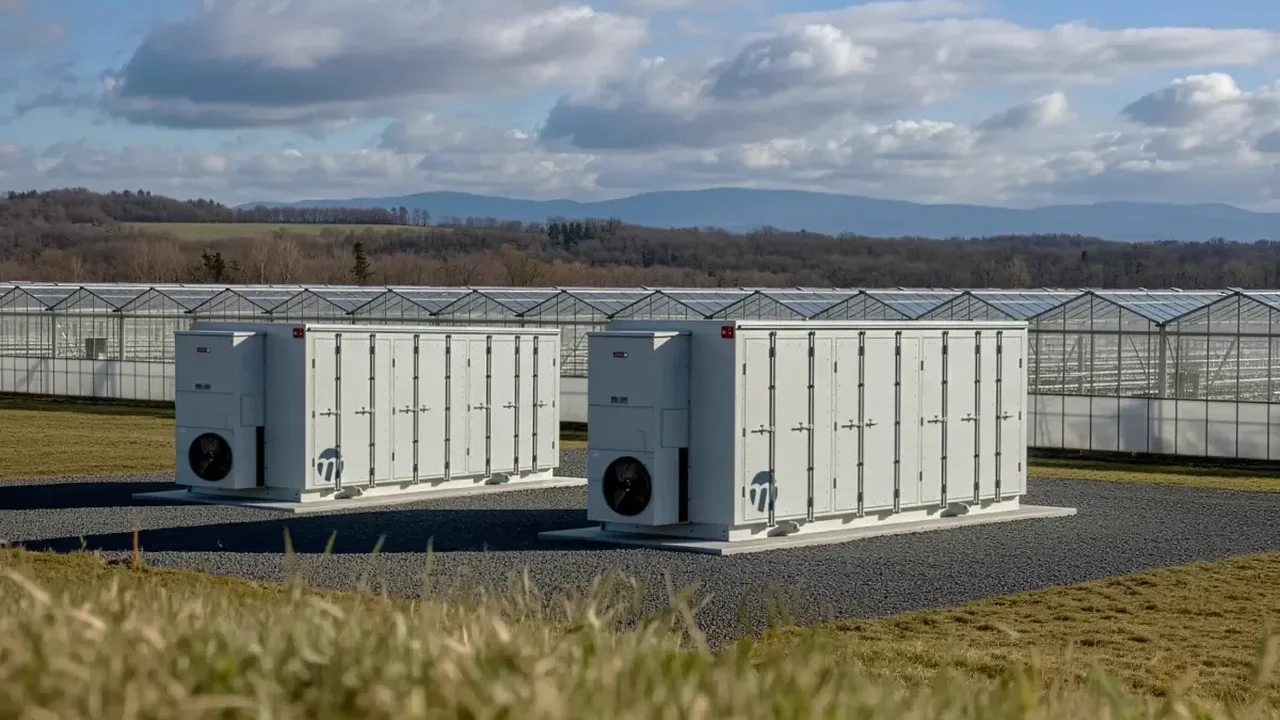
Where new capacity has been added, renewables have led the way. Solar, batteries, and wind made up nearly 90% of the record 53 gigawatts of new U.S. generating capacity added in 2025, showing how central clean energy has become to the power system.
The report also points to the strongest project pressure in states including Oregon, Alabama, Maine, Minnesota, and Montana. Solar, wind, and storage developments are among the most affected categories.
This moment highlights a broader energy transition: as digital infrastructure expands, the future of growth may depend on how quickly clean power can scale to meet it.